
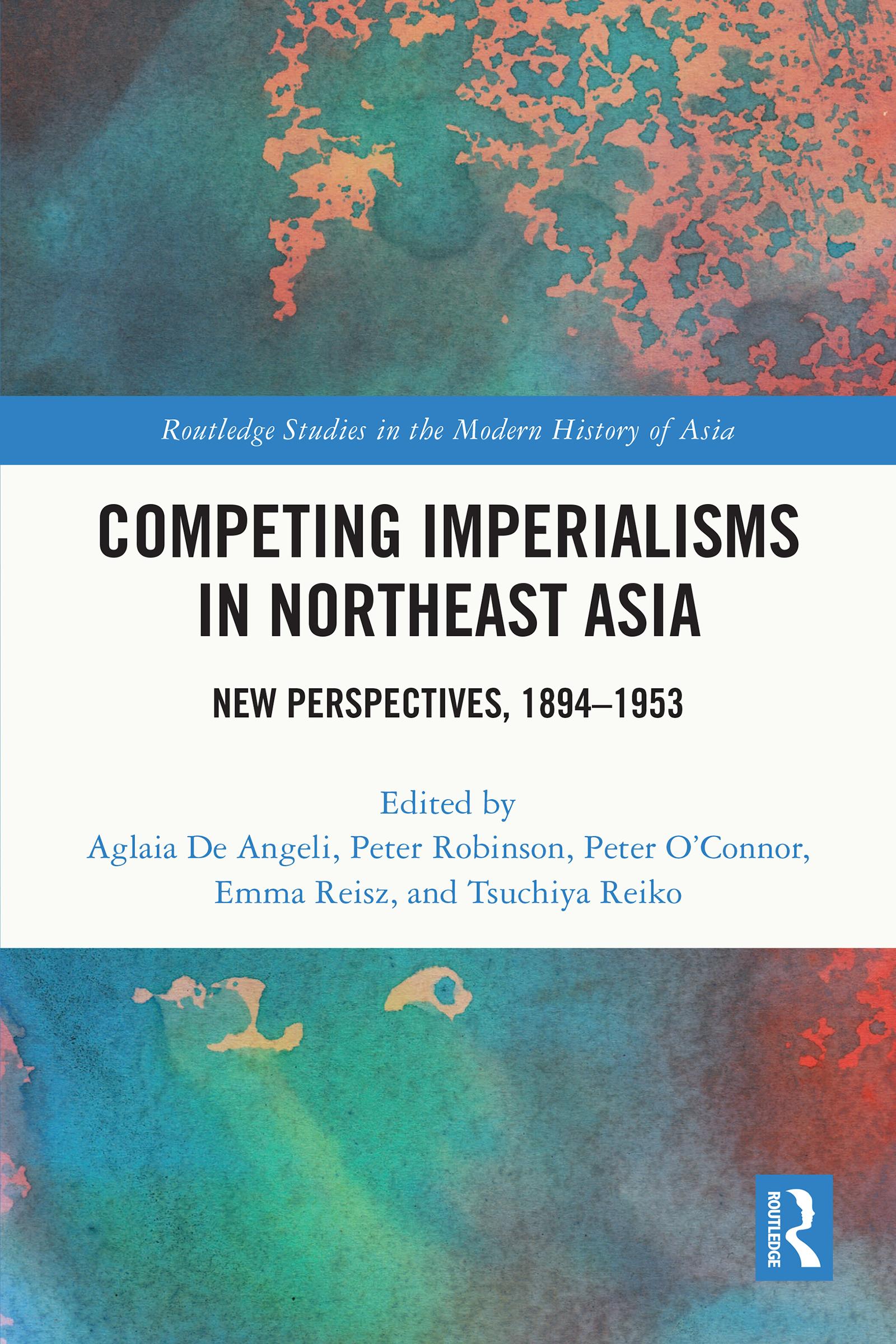
In the late nineteenth and early twentieth centuries, Japan, China, and both Tsarist Russia and later the USSR, vied for imperial dominance in Northeast Asia. In the process, they contested and at the same time adopted many of the physical and rhetorical features of Old-World imperialism, mitigated by domestic political forces and deeply ingrained cultural and historical values.
With chapters written by scholars from Europe and Asia, including Russia, this collection offers new international and interdisciplinary perspectives on competitions between imperialisms in Northeast Asia in the period 1894–1953, exploring encounters between old rivals and new protagonists. Bringing together specialists from different disciplines and drawing on newly discovered and hard-to-access sources, it presents a uniquely comparative and holistic perspective on the symbiotic relationships between these regional powers and resistance to them. The contributors focus on four key areas: ideology, rivalry and territoriality, social factors, and visual representations.
A valuable resource for students and scholars of modern Northeast Asian history, and highly pertinent to understanding the imperial posturing between some of the same protagonists today.
Betal nemt med kort, Klarna, Apple Pay eller Google Pay. Ikke tilfreds? Du har altid 14 dages fortrydelsesret. Læs mere i vores vilkår. Har du spørgsmål, så send os en mail på hello@memmo.org.
Memmo gør det nemmere at studere – uanset hvor du er i verden. Hos os samler du dine kursusbøger og smarte studieværktøjer ét sted: resuméer, quizzer, podcasts og flashcards. Og så er der Ted, din studieven, der svarer på alt, du undrer dig over. Over 50 000 studerende studerer allerede her – bygget til at hjælpe dig med at lære hurtigere og stresse mindre.