
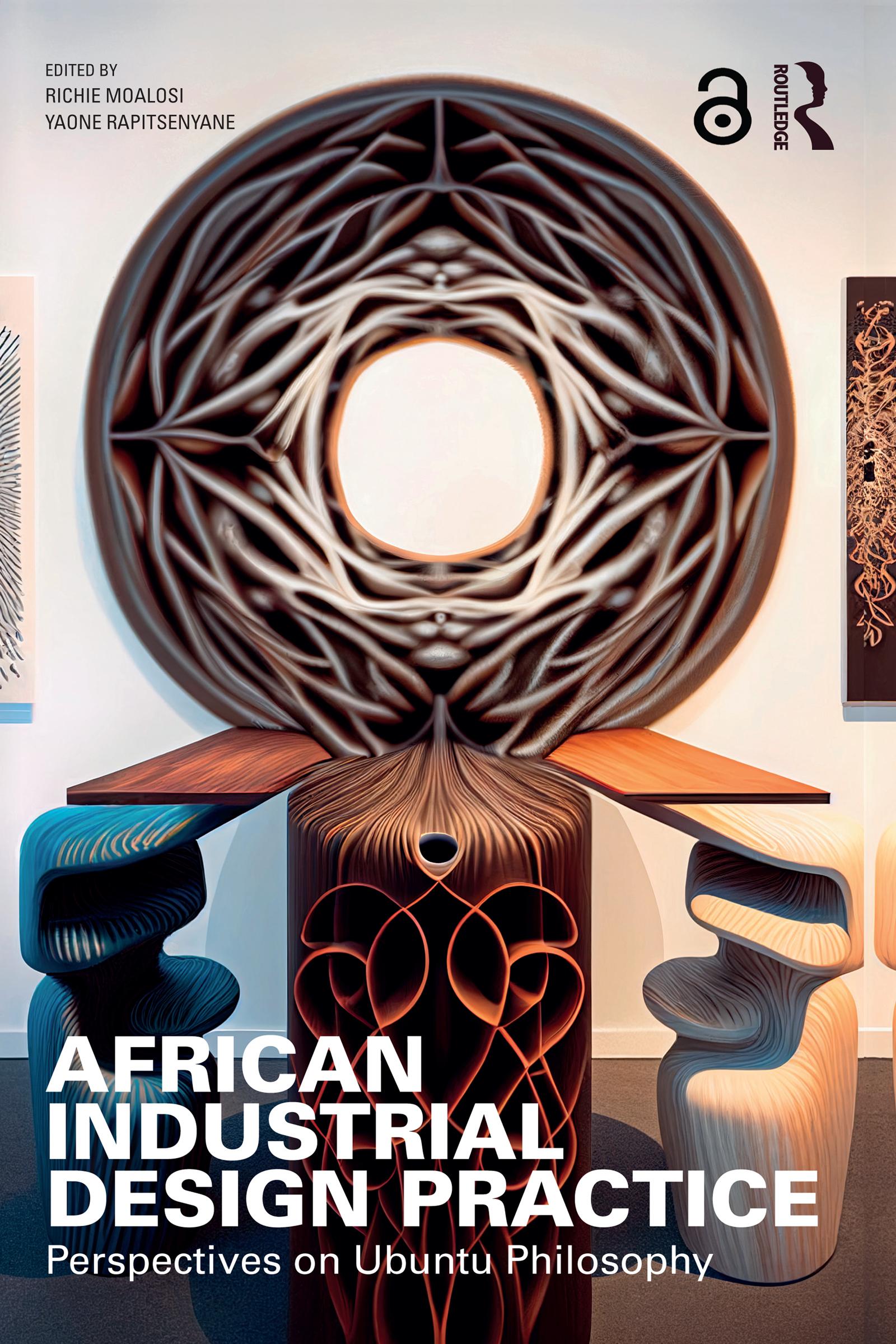
The underlying principle of this book is the African philosophy of Ubuntu, which acts as a guide for developing empathic products and services. The book makes the case that empathy is the key to any successful product and service design project because it enables designers to make wise design choices that align with users' demands.
Fifteen chapters provide the latest industrial design developments, techniques, and processes explicitly targeting emerging economies. At the outset, it covers the design context and the philosophy of the Ubuntu approach, which places people and communities at the centre of the development agenda. The book covers new product development, design research, design cognition, digital and traditional prototyping, bringing products to the market, establishing a company's brand name, intellectual property rights, traditional knowledge, and the business case for design in Afrika. It concludes with a discussion about the future of design and the skills aspiring designers will need.
African Industrial Design Practice: Perspectives on Ubuntu Philosophy will be an essential textbook for undergraduates, postgraduates, instructors, and beginner designers in emerging economies to provide regionally contextualised design processes, illustrated examples, and outcomes.
Chapter 2 of this book is freely available as a downloadable Open Access PDF at http://www.taylorfrancis.com under a Creative Commons Attribution-Non Commercial-No Derivatives (CC-BY-NC-ND) 4.0 license.
Betal nemt med kort, Klarna, Apple Pay eller Google Pay. Ikke tilfreds? Du har altid 14 dages fortrydelsesret. Læs mere i vores vilkår. Har du spørgsmål, så send os en mail på hello@memmo.org.
Memmo gør det nemmere at studere – uanset hvor du er i verden. Hos os samler du dine kursusbøger og smarte studieværktøjer ét sted: resuméer, quizzer, podcasts og flashcards. Og så er der Ted, din studieven, der svarer på alt, du undrer dig over. Over 50 000 studerende studerer allerede her – bygget til at hjælpe dig med at lære hurtigere og stresse mindre.