
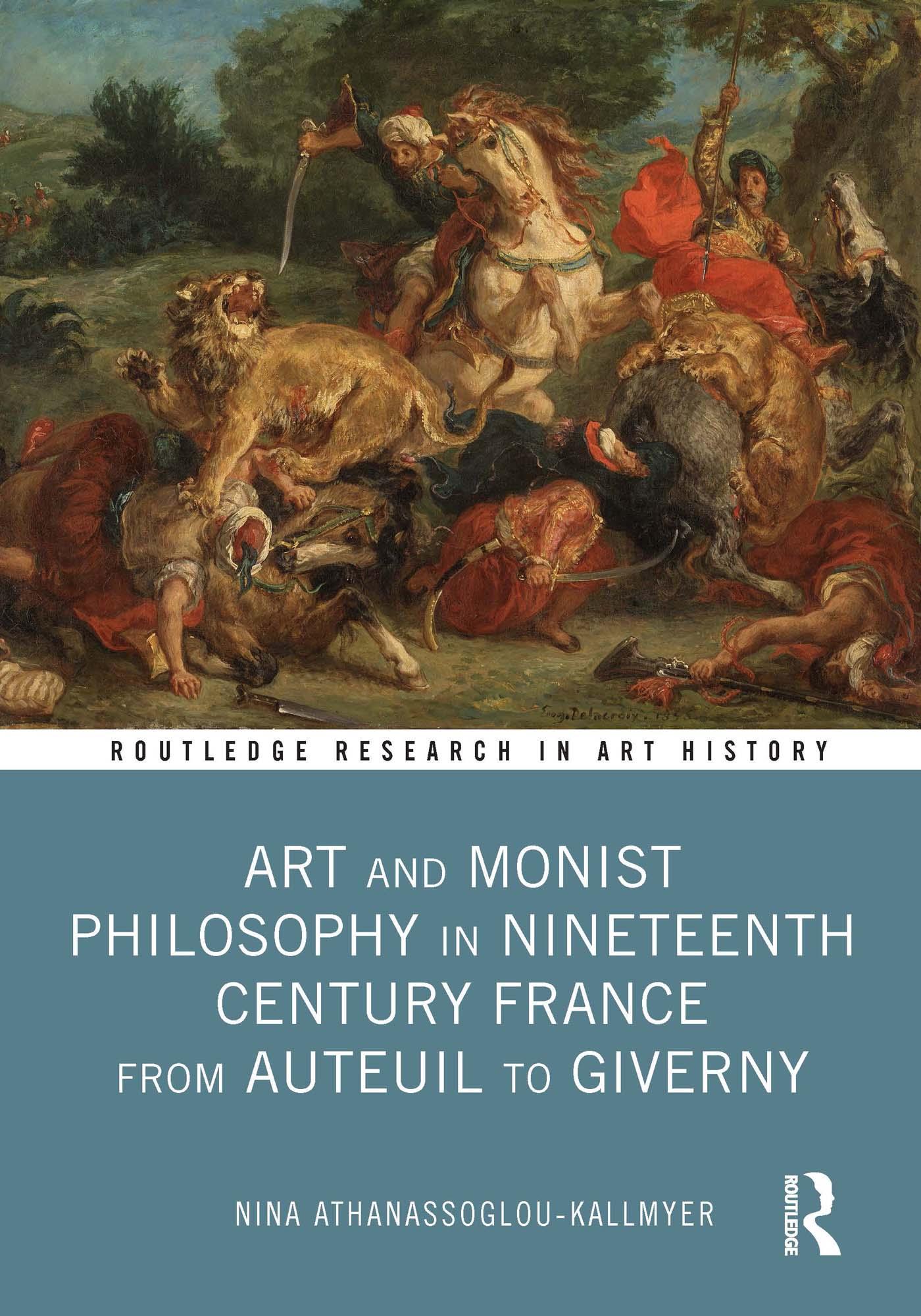
This is a study of the relation between the fine arts and philosophy in France, from the aftermath of the 1789 revolution to the end of the nineteenth century, when a philosophy of being called “monism” – the concept of a unity of matter and spirit – emerged and became increasingly popular among intellectuals, artists and scientists.
Nina Athanassoglou-Kallmyer traces the evolution and impact of this monist thought and its various permutations as a transformative force on certain aspects of French art and culture – from Romanticism to Impressionism – and as a theoretical backdrop that paved the way to as yet unexplored aspects of a modernist aesthetic. Chapters concentrate on three major artists, Théodore Géricault (1791–1824), Eugène Delacroix (1798–1863) and Claude Monet (1840–1926), and their particular approach to and interpretation of this unitarian concept.
The book will be of interest to scholars working in art history, philosophy and cultural history.
Betal nemt med kort, Klarna, Apple Pay eller Google Pay. Ikke tilfreds? Du har altid 14 dages fortrydelsesret. Læs mere i vores vilkår. Har du spørgsmål, så send os en mail på hello@memmo.org.
Memmo gør det nemmere at studere – uanset hvor du er i verden. Hos os samler du dine kursusbøger og smarte studieværktøjer ét sted: resuméer, quizzer, podcasts og flashcards. Og så er der Ted, din studieven, der svarer på alt, du undrer dig over. Over 50 000 studerende studerer allerede her – bygget til at hjælpe dig med at lære hurtigere og stresse mindre.