
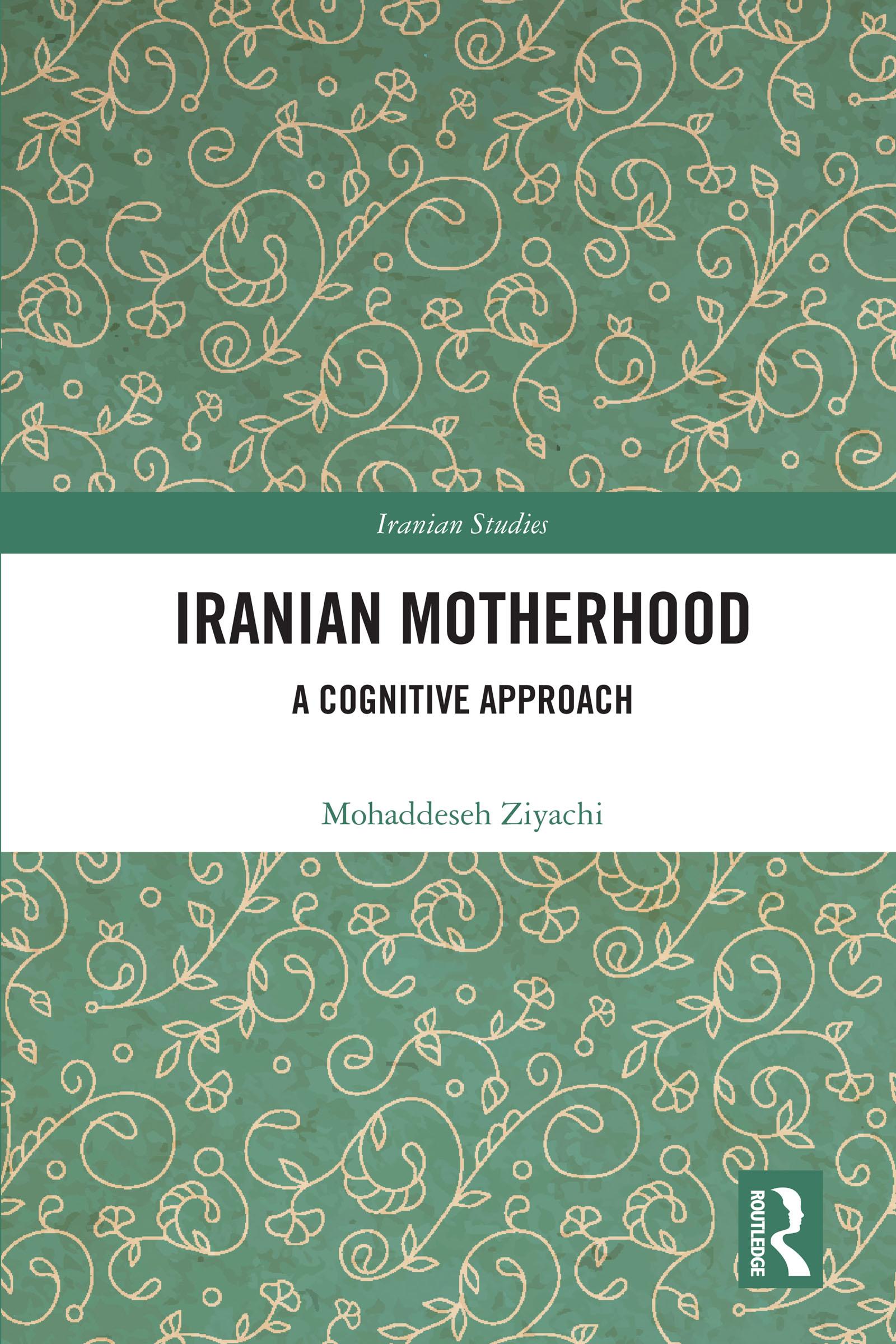
This book characterises the problematic status of motherhood in present-day Iranian society – that is, problem in the Foucauldian sense of an object of thought and a source of tension, not as a pathological issue – and explains the historical processes contributing to this problematisation.
Taking an interdisciplinary approach, the author draws on a cognitive anthropological perspective whilst incorporating ethnographic, historical, and evolutionary viewpoints. By applying this perspective to the current cultural model of motherhood, and considering specific social, political, and economic factors in Iran, the author provides an exhaustive, contextualised understanding of the motherhood problem and its multidirectional changes throughout time. The book follows a multi-method framework and combines qualitative ethnographic and auto-ethnographic data with historical evidence and comparative data. As such, it also contributes to the women's movement in Iran by fostering discussion on women's issues and demystifying women's understandings and experiences.
The book will appeal to those working in a range of disciplines, including gender studies, cognitive anthropology and Iranian history. Written in non-technical language, and providing insights into the problem of motherhood in comparable contexts, the book will also be of interest to general readers.
Betal nemt med kort, Klarna, Apple Pay eller Google Pay. Ikke tilfreds? Du har altid 14 dages fortrydelsesret. Læs mere i vores vilkår. Har du spørgsmål, så send os en mail på hello@memmo.org.
Memmo gør det nemmere at studere – uanset hvor du er i verden. Hos os samler du dine kursusbøger og smarte studieværktøjer ét sted: resuméer, quizzer, podcasts og flashcards. Og så er der Ted, din studieven, der svarer på alt, du undrer dig over. Over 50 000 studerende studerer allerede her – bygget til at hjælpe dig med at lære hurtigere og stresse mindre.