
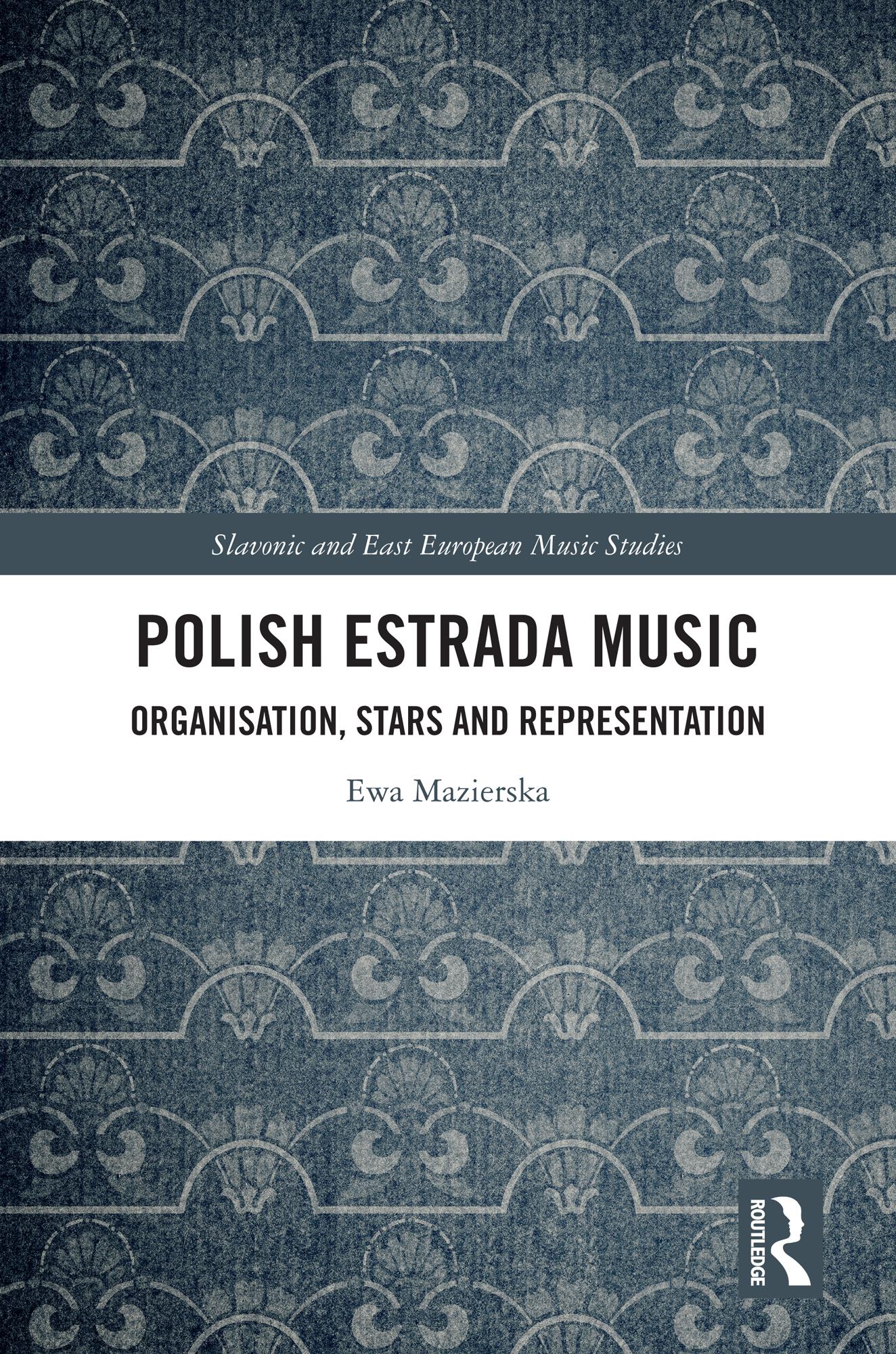
Polish estrada music dominated Polish popular music throughout the state socialist period but gained little attention from popular music scholars because it was regarded as being of low quality and politically conformist. Ewa Mazierska carefully examines these assumptions, considering those institutions which catered for the needs of estrada artists and their fans, the presence of estrada in different media and the careers and styles of the leading stars, such as Mieczysław Fogg, Irena Santor, Violetta Villas, Anna German, Jerzy Połomski, Maryla Rodowicz, Zdzisława Sośnicka, Zbigniew Wodecki and Izabela Trojanowska. Mazierska also discusses the memory and legacy of estrada music in the postcommunist period. The book draws on Poland’s cultural and political history and the history of Polish popular music and media, including television and radio. Mazierska engages with concepts such as genre, stardom and authenticity in order to capture the essence of Polish estrada music and to provide a comparison with popular music produced in other countries.
Betal nemt med kort, Klarna, Apple Pay eller Google Pay. Ikke tilfreds? Du har altid 14 dages fortrydelsesret. Læs mere i vores vilkår. Har du spørgsmål, så send os en mail på hello@memmo.org.
Memmo gør det nemmere at studere – uanset hvor du er i verden. Hos os samler du dine kursusbøger og smarte studieværktøjer ét sted: resuméer, quizzer, podcasts og flashcards. Og så er der Ted, din studieven, der svarer på alt, du undrer dig over. Over 50 000 studerende studerer allerede her – bygget til at hjælpe dig med at lære hurtigere og stresse mindre.