
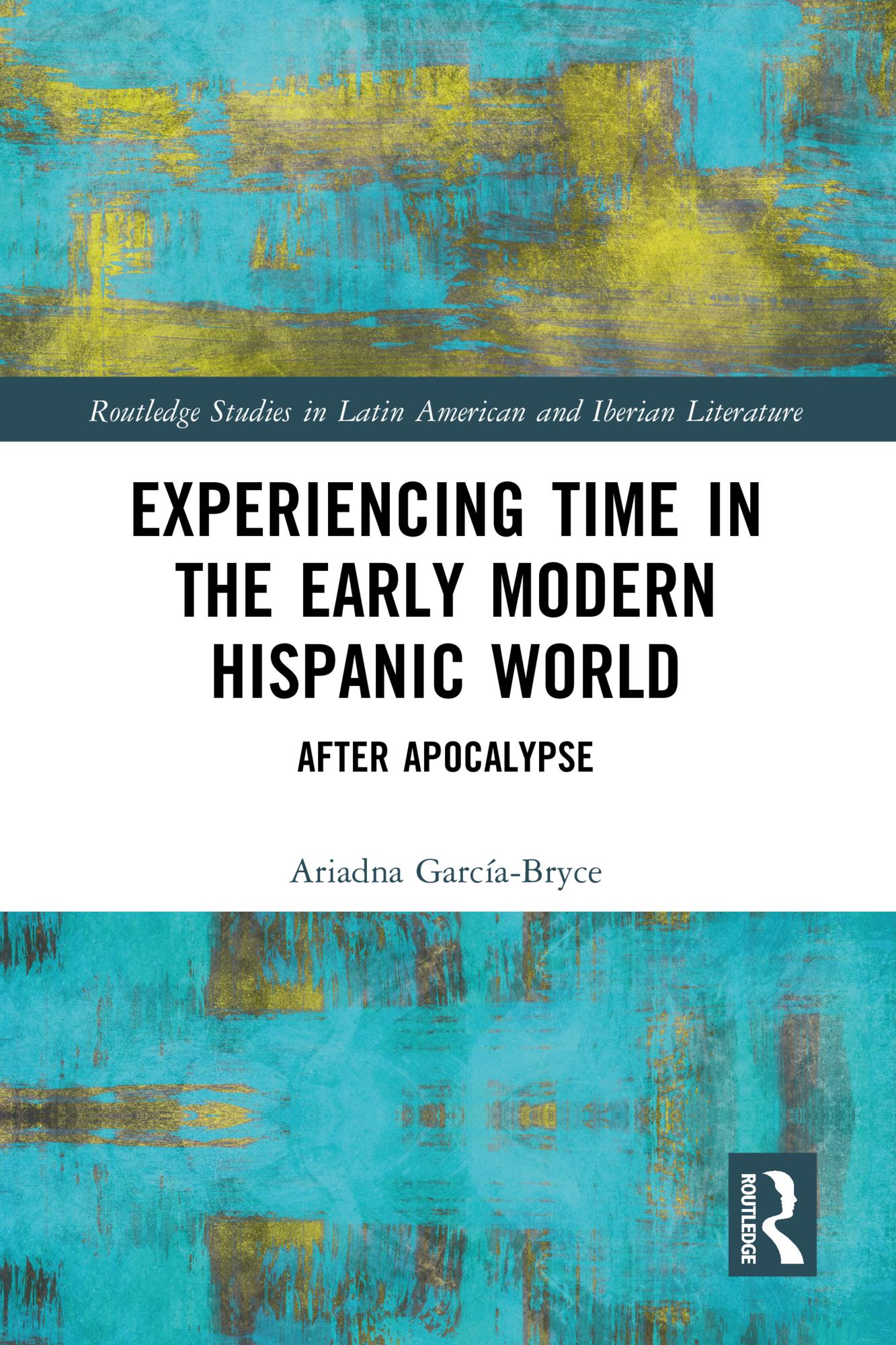
This book considers the new ways time was experienced in the sixteenth- and seventeeth-century Hispanic world in the framework of global Catholicism. It underscores the crucial role that the imitation of Christ plays in modeling how representative writers physically and mentally interiorize temporal impermanence as the Messiah’s suffering body becomes a paradigmatic as well as malleable marker of the avatars of earthly history. Particular attention is paid to the ways in which authors adapt Christ-centered conceptions of existence to accommodate both a volatile post-eschatological world and the increased dominance of mechanical clock time. As novel means of communing with Christ emerge, so too do new modes of sensing and understanding time, unleashing unprecedented cultural and literary reinvention. This is demonstrated through close analyses of writings by such influential figures as Saint Ignatius of Loyola, Saint Teresa of Ávila, Carlos de Sigüenza y Góngora, and Sor Juana Inés de la Cruz.
Betal nemt med kort, Klarna, Apple Pay eller Google Pay. Ikke tilfreds? Du har altid 14 dages fortrydelsesret. Læs mere i vores vilkår. Har du spørgsmål, så send os en mail på hello@memmo.org.
Memmo gør det nemmere at studere – uanset hvor du er i verden. Hos os samler du dine kursusbøger og smarte studieværktøjer ét sted: resuméer, quizzer, podcasts og flashcards. Og så er der Ted, din studieven, der svarer på alt, du undrer dig over. Over 50 000 studerende studerer allerede her – bygget til at hjælpe dig med at lære hurtigere og stresse mindre.