
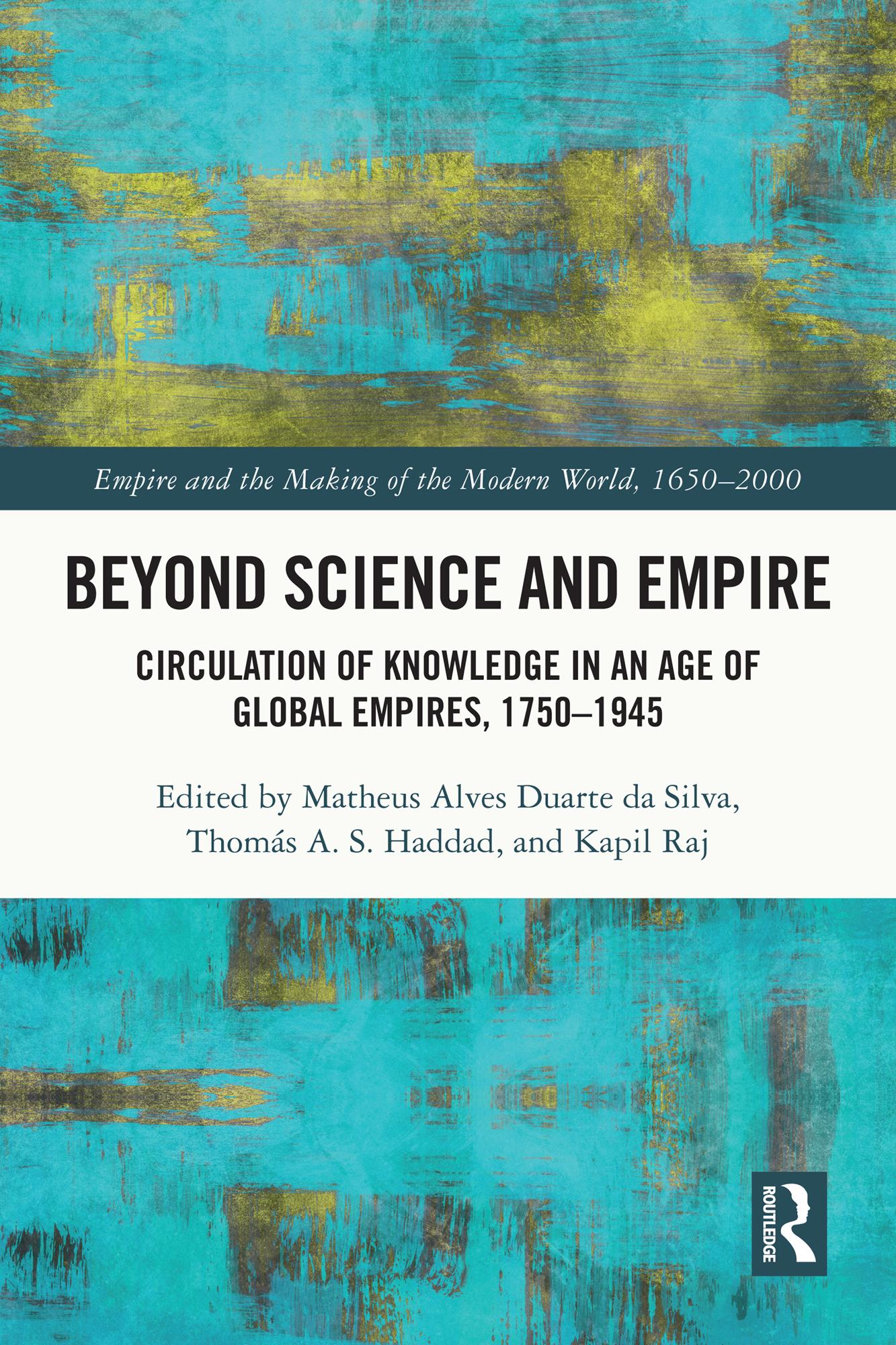
Through ten case studies by international specialists, this book investigates the circulation and production of scientific knowledge between 1750 and 1945 in the fields of agriculture, astronomy, botany, cartography, medicine, statistics, and zoology.
In this period, most of the world was under some form of imperial control, while science emerged as a discrete field of activity. What was the relationship between empire and science? Was science just an instrument for imperial domination? While such guiding questions place the book in the tradition of science and empire studies, it offers a fresh perspective in dialogue with global history and circulatory approaches. The book demonstrates, not by theoretical discourse but through detailed historical case studies, that the adoption of a global scale of analysis or an emphasis on circulatory processes does not entail analytical vagueness, diffusionism in disguise, or complacency with imperialism. The chapters show scientific knowledge emerging from the actions of little-known individuals moving across several Empires—European, Asian, and South American alike—in unanticipated places and institutions, and through complex processes of exchange, competition, collaboration, and circulation of knowledge.
The book will interest scholars and undergraduate and graduate students concerned with the connections between the history of science, imperial history, and global history.
Betal nemt med kort, Klarna, Apple Pay eller Google Pay. Ikke tilfreds? Du har altid 14 dages fortrydelsesret. Læs mere i vores vilkår. Har du spørgsmål, så send os en mail på hello@memmo.org.
Memmo gør det nemmere at studere – uanset hvor du er i verden. Hos os samler du dine kursusbøger og smarte studieværktøjer ét sted: resuméer, quizzer, podcasts og flashcards. Og så er der Ted, din studieven, der svarer på alt, du undrer dig over. Over 50 000 studerende studerer allerede her – bygget til at hjælpe dig med at lære hurtigere og stresse mindre.