
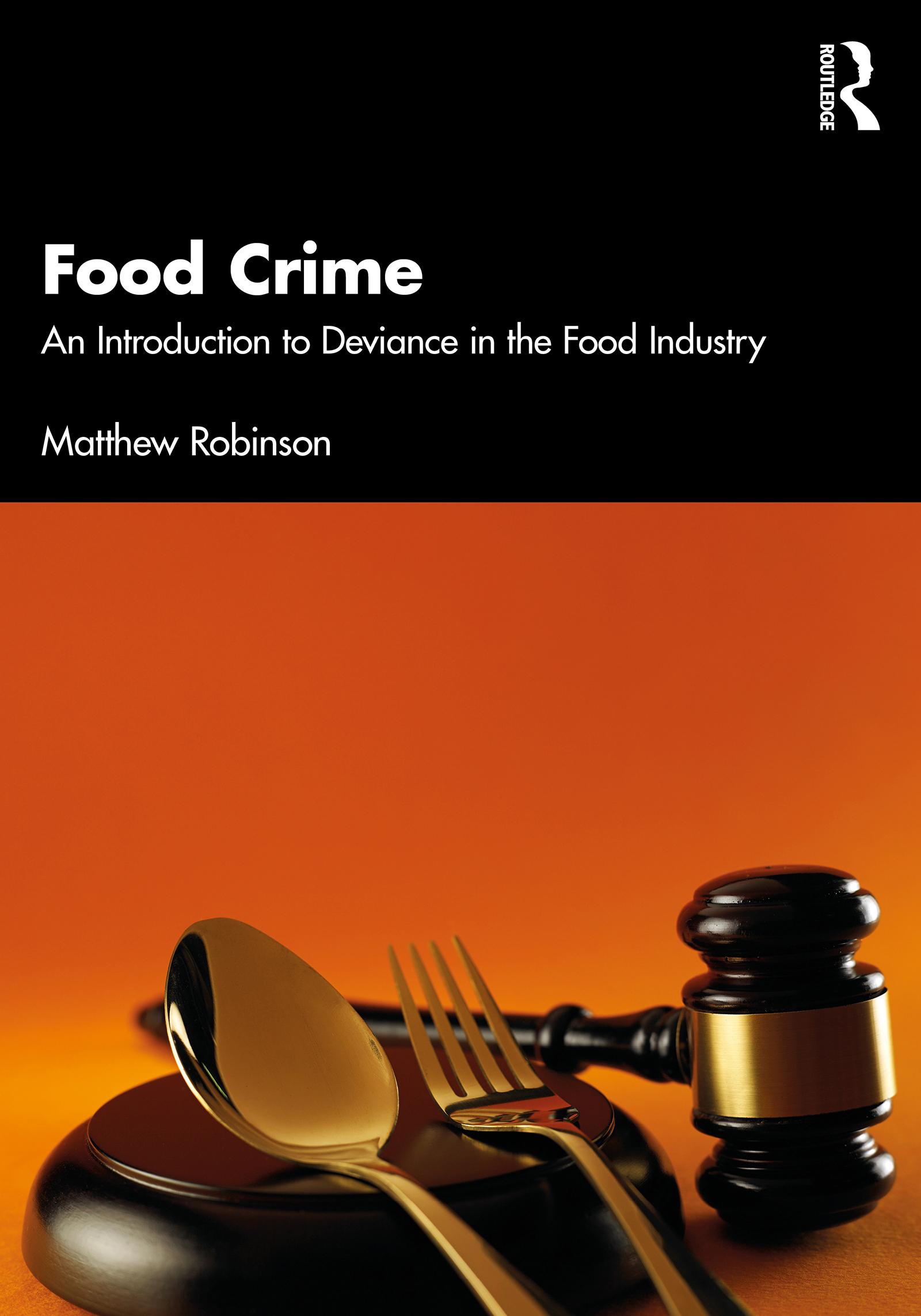
This book addresses the various forms of deviance and criminality found within the conventional food system. This system—made up of numerous producers, processors, distributors, and retailers of food—has significant, far-reaching consequences bearing upon the environment and society.
Food Crime broadly outlines the processes and impacts of this food system most relevant for the academic discipline of criminology, with a focus on the negative health outcomes of the US diet (e.g., obesity and diabetes) and negative outcomes associated with the system itself (e.g., environmental degradation). The author introduces the concept of "food criminology," a new branch of criminology dedicated to the study of deviance in the food industry. Demonstrating the deviance and criminality involved in many parts of the conventional food system, this book is the first to provide exhaustive coverage of the major issues related to what can be considered food crime. Embedded in the context of state-corporate criminality, the concepts and practices exposed in this book bring attention to harms associated with the conventional food system and illustrate the degree of culpability of food companies and government agencies for these harms.
This book is of interest to students, scholars, and practitioners seeking a more just and healthy food system and encourages further future research into food crimes in the disciplines of criminology, criminal justice, and sociology.
Betal nemt med kort, Klarna, Apple Pay eller Google Pay. Ikke tilfreds? Du har altid 14 dages fortrydelsesret. Læs mere i vores vilkår. Har du spørgsmål, så send os en mail på hello@memmo.org.
Memmo gør det nemmere at studere – uanset hvor du er i verden. Hos os samler du dine kursusbøger og smarte studieværktøjer ét sted: resuméer, quizzer, podcasts og flashcards. Og så er der Ted, din studieven, der svarer på alt, du undrer dig over. Over 50 000 studerende studerer allerede her – bygget til at hjælpe dig med at lære hurtigere og stresse mindre.