
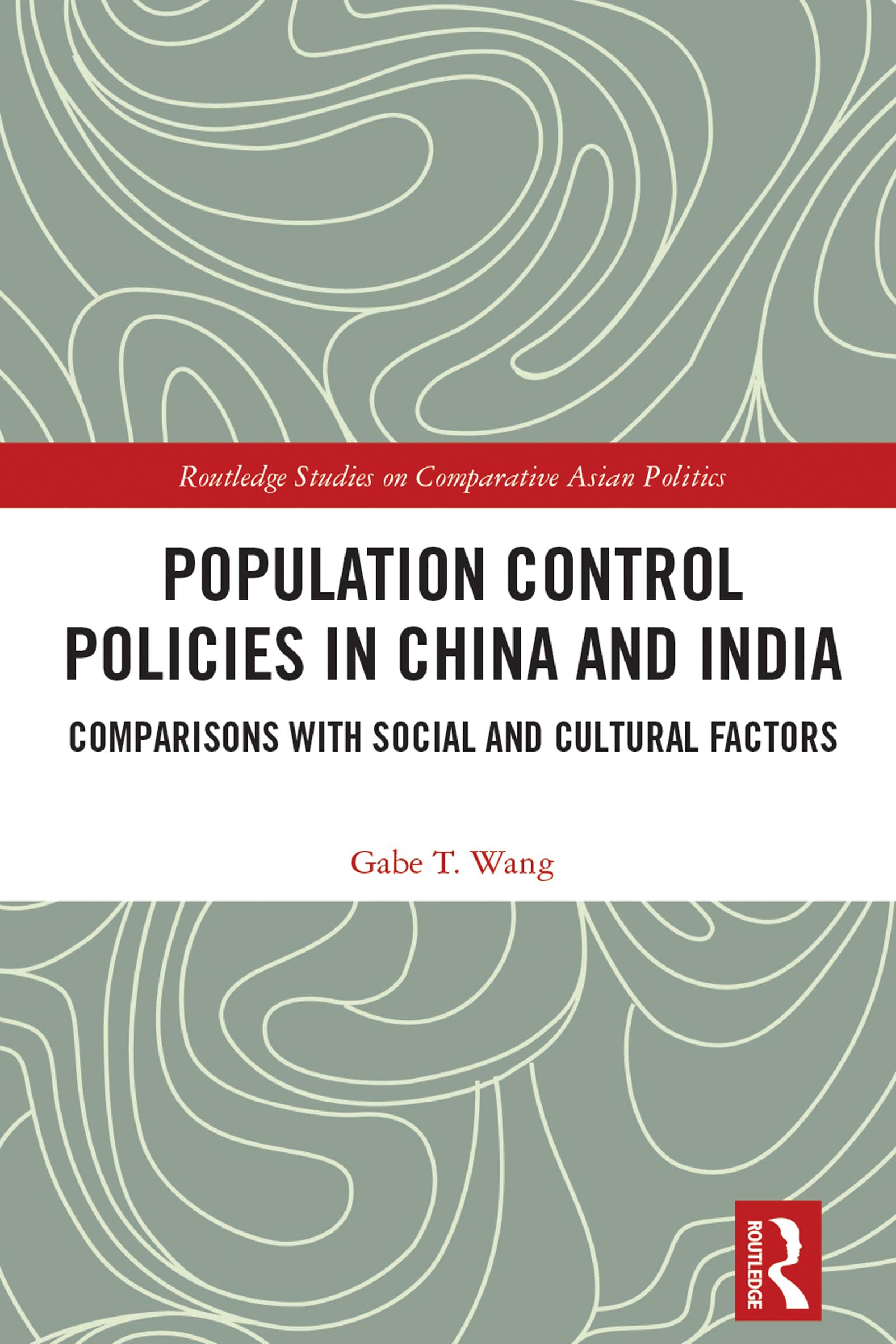
This book comprehensively compares the development of population control policies in China and India, their implementations, and the population changes over the past seven decades.
Analyzing how populations have changed and affected socioeconomic development in the two societies, this book systematically compares China and India through social and cultural factors, including religion and traditional perspectives on population, ethnicity and language, social classes, family, social status and education of women, and government functions. A brief introduction discusses how China has developed into a highly homogenous society and how India has developed into a highly diversified nation in history, and the influence of other countries on these two societies. With empirical data, the book analyzes how population changes are strongly correlated with economic development in the two most populous societies. An insightful discussion of the population issues with a world perspective and historical understanding of China and India is also provided.
This book will be valuable reading to students and researchers interested in knowing more about the population control policies, population changes, and cultures and societies in China and India.
Betal nemt med kort, Klarna, Apple Pay eller Google Pay. Ikke tilfreds? Du har altid 14 dages fortrydelsesret. Læs mere i vores vilkår. Har du spørgsmål, så send os en mail på hello@memmo.org.
Memmo gør det nemmere at studere – uanset hvor du er i verden. Hos os samler du dine kursusbøger og smarte studieværktøjer ét sted: resuméer, quizzer, podcasts og flashcards. Og så er der Ted, din studieven, der svarer på alt, du undrer dig over. Over 50 000 studerende studerer allerede her – bygget til at hjælpe dig med at lære hurtigere og stresse mindre.