
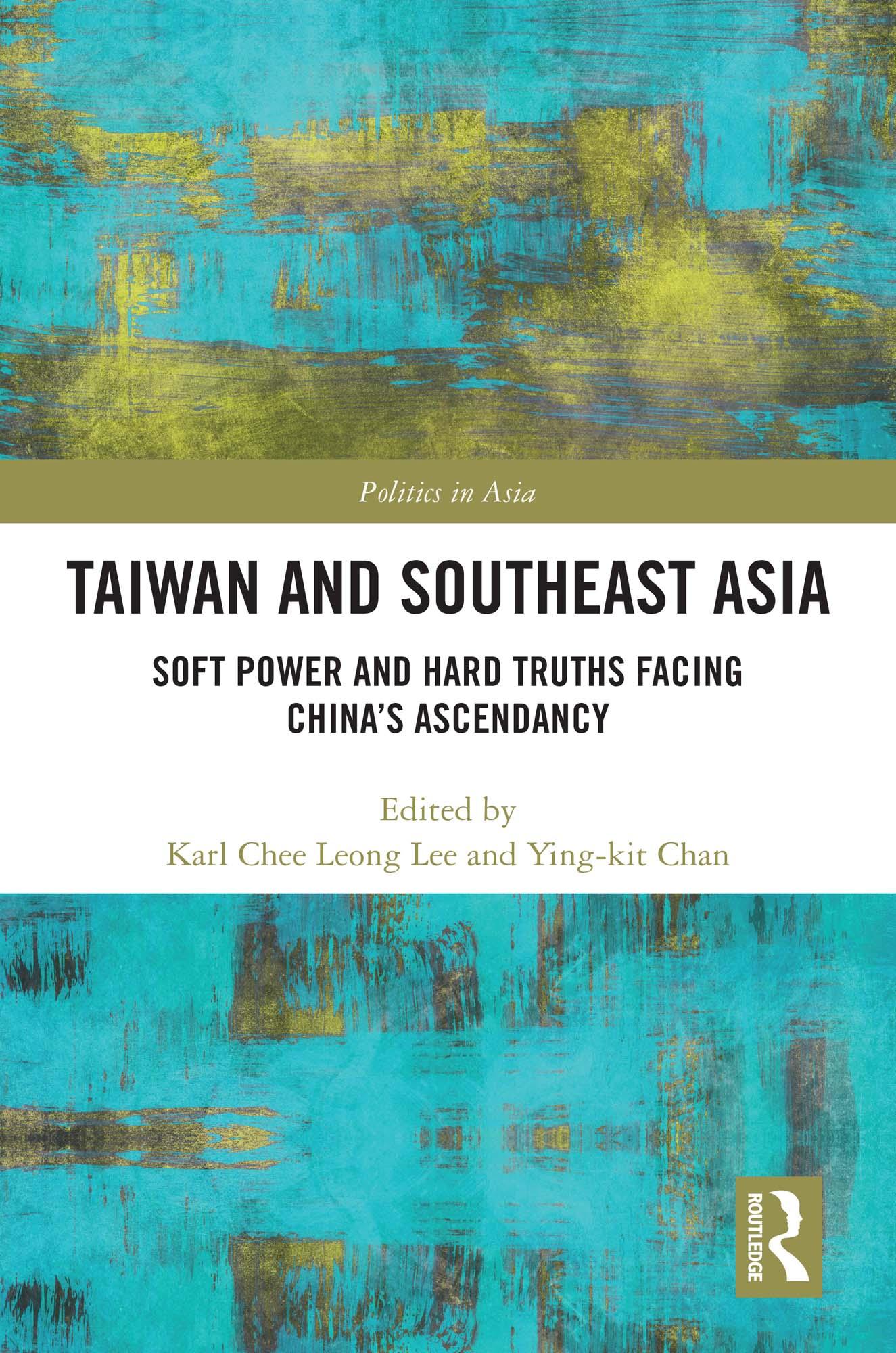
Lee, Chan and their contributors analyse the different kinds of soft power deployed by Taiwan in its bid to strengthen its relations with its neighbours in Southeast Asia.
Despite not having formal diplomatic relations with Southeast Asian countries after their diplomatic recognition of the People’s Republic of China decades ago, Taiwan continues to be a key economic and socio-cultural partner for the region at large. Successive administrations in Taiwan from the Chen to Tsai eras have circumvented the long-standing absence of diplomatic recognition with the diffusion of soft power ─ shaping what others want with attractiveness ─ through the utilization of its existing economic and socio-cultural links with Southeast Asian countries. While such soft power diffusion contributes to Taiwan’s triple quests for legitimacy as a member of international community, status as a constructive actor in the region and long-term economic prosperity for the island-state, the emergence of China as an economic superpower in the 21st century has significantly challenged such quests from Taipei. The contributors to this volume examine both the intentions and the reception of Taiwan’s approach to the nations of ASEAN.
An essential read for students and researchers investigating the impact and limitations of soft power in foreign policy.
Betal nemt med kort, Klarna, Apple Pay eller Google Pay. Ikke tilfreds? Du har altid 14 dages fortrydelsesret. Læs mere i vores vilkår. Har du spørgsmål, så send os en mail på hello@memmo.org.
Memmo gør det nemmere at studere – uanset hvor du er i verden. Hos os samler du dine kursusbøger og smarte studieværktøjer ét sted: resuméer, quizzer, podcasts og flashcards. Og så er der Ted, din studieven, der svarer på alt, du undrer dig over. Over 50 000 studerende studerer allerede her – bygget til at hjælpe dig med at lære hurtigere og stresse mindre.