
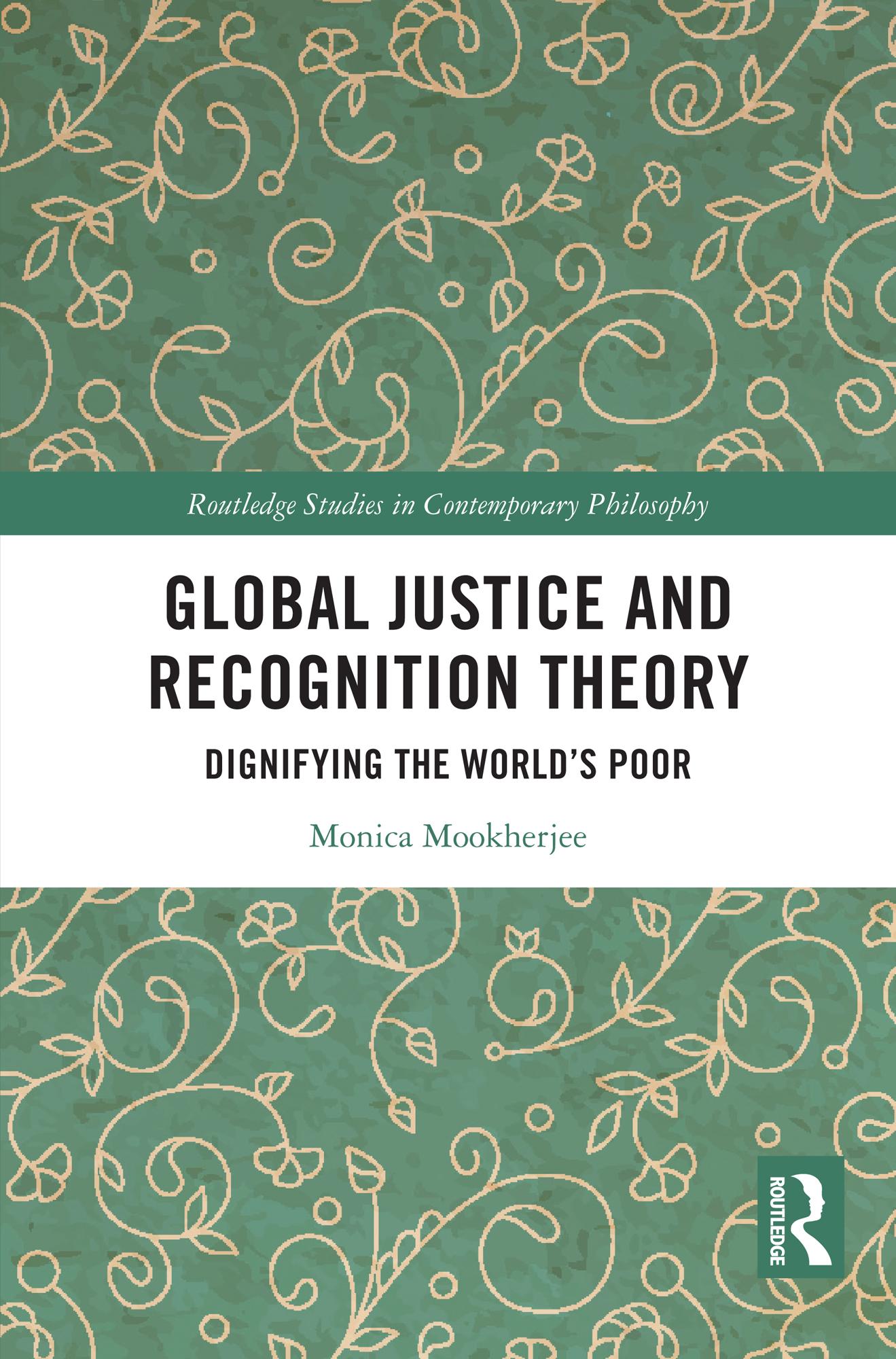
In the light of intense international focus on ongoing forms of world poverty, this book examines the potential of the concept of recognition in contemporary political philosophy to respond morally to this dire condition.
This book uses recognition theories to develop a two-tiered response to the problem of global poverty. First, it highlights non-degradation, non-humiliation and the avoidance of social suffering as essential components to the agency of the very poor. This runs counter to liberal arguments that focus only on the deficit of basic material interests. Second, even if universal conditions of agency are met, many of the world’s extreme poor may still suffer domination. The book argues that empowering the world’s poor to resist domination is an essential response to global poverty. By conceiving poverty in terms of agency and empowerment, this book highlights the transnational relevance of recognition theory to one of the most crucial problems affecting a rapidly globalising world.
Global Justice and Recognition Theory will be of interest to scholars and advanced students working in social and political philosophy, political theory, and global justice.
Betal nemt med kort, Klarna, Apple Pay eller Google Pay. Ikke tilfreds? Du har altid 14 dages fortrydelsesret. Læs mere i vores vilkår. Har du spørgsmål, så send os en mail på hello@memmo.org.
Memmo gør det nemmere at studere – uanset hvor du er i verden. Hos os samler du dine kursusbøger og smarte studieværktøjer ét sted: resuméer, quizzer, podcasts og flashcards. Og så er der Ted, din studieven, der svarer på alt, du undrer dig over. Over 50 000 studerende studerer allerede her – bygget til at hjælpe dig med at lære hurtigere og stresse mindre.