
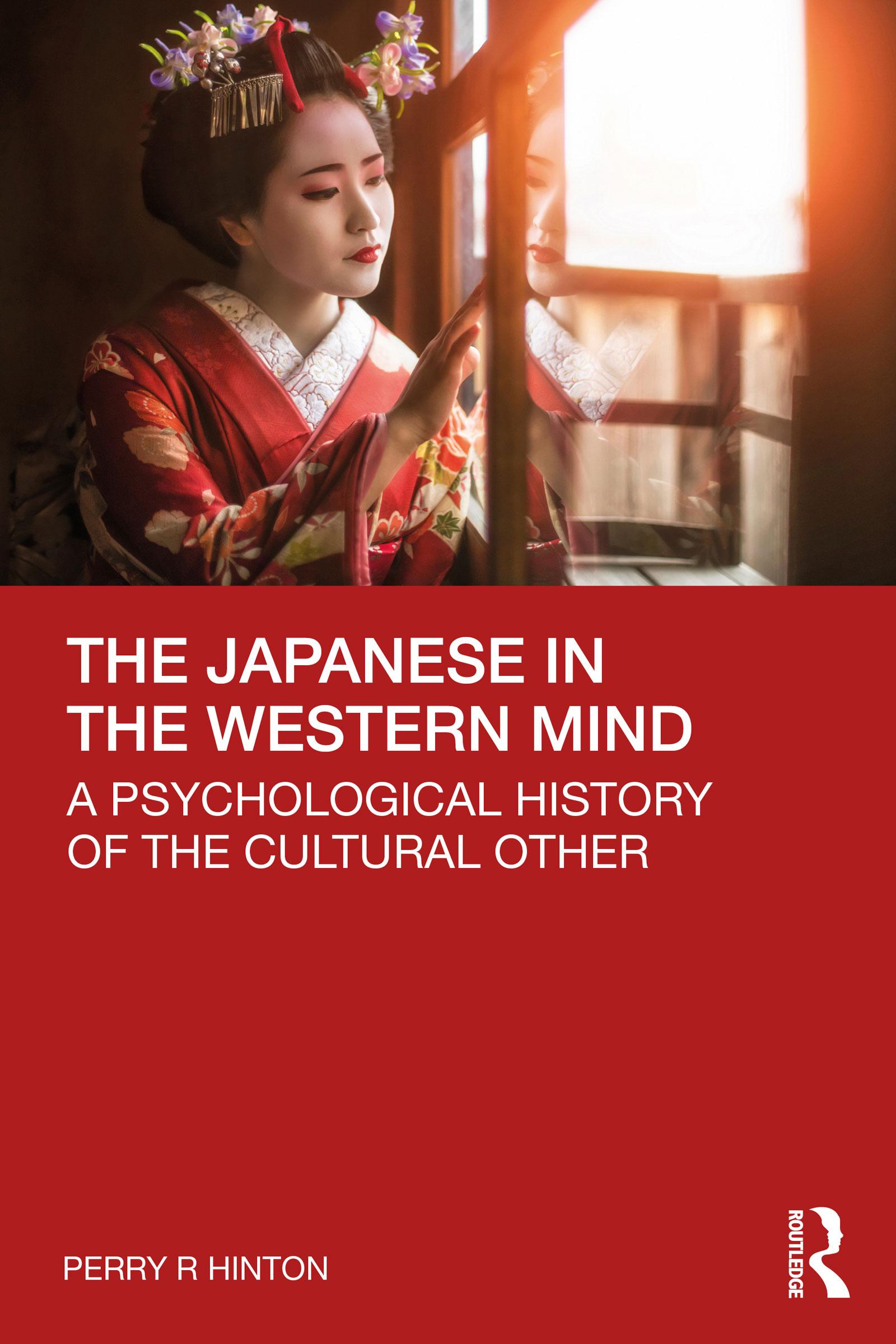
This fascinating book is an insightful exploration of Western perceptions and representations of Japanese culture and society, drawing on social and cultural psychological ideas around stereotypes and intercultural relations.
Hinton considers how the West views the Japanese as an ideologically different “other”, and proposes a cultural theory of stereotypes from which to explore Western observations of the Japanese. The book explores Western socio-cultural representations of the Japanese alongside Edward Said’s well-known theory of Orientalism. It examines the West’s intercultural relationship with Japan, and how this has changed over time, to show how the Japanese have been represented in the Western mind throughout history, to the present day. Hinton argues that our view of other cultures is based on our own cultural expectations, which involve complex issues of meaning-making and perceived cultural differences. This book foregrounds the research through accounts of Westerners about the Japanese, to reveal how cultural representations can influence the ways in which people from different cultures communicate in interaction, and how intercultural understanding or misunderstanding can arise.
By reflecting on the changing Western representations of the Japanese, and how and why these have emerged, this book will be of interest to students, academics and general readers interested in stereotypes, cultural psychology, intercultural communication, anthropology and Japanese culture and history.
Betal nemt med kort, Klarna, Apple Pay eller Google Pay. Ikke tilfreds? Du har altid 14 dages fortrydelsesret. Læs mere i vores vilkår. Har du spørgsmål, så send os en mail på hello@memmo.org.
Memmo gør det nemmere at studere – uanset hvor du er i verden. Hos os samler du dine kursusbøger og smarte studieværktøjer ét sted: resuméer, quizzer, podcasts og flashcards. Og så er der Ted, din studieven, der svarer på alt, du undrer dig over. Over 50 000 studerende studerer allerede her – bygget til at hjælpe dig med at lære hurtigere og stresse mindre.