
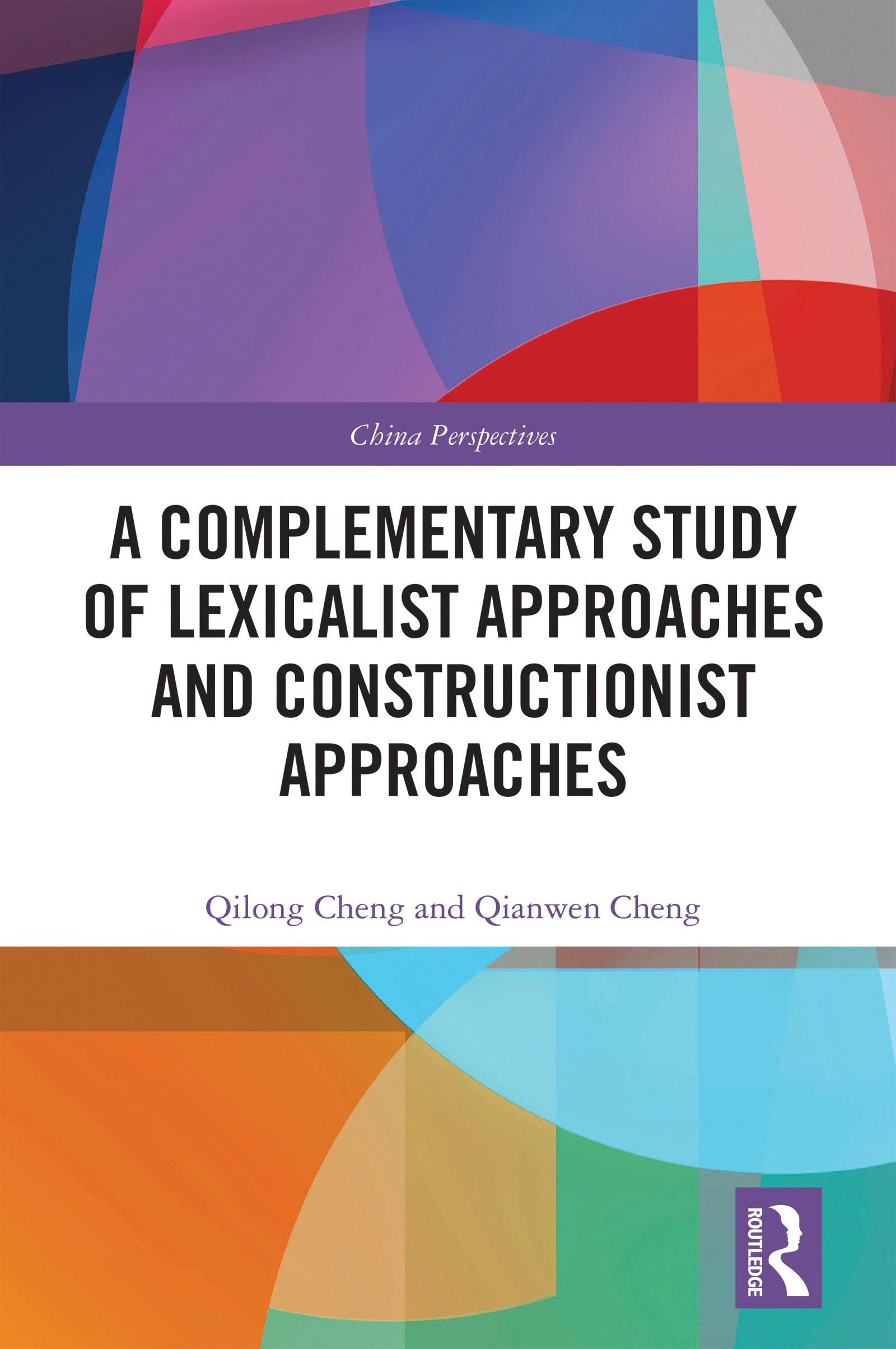
This book presents a complementary study of lexicalist approaches and constructionist approaches in linguistics. Specific topics discussed include different versions of semantic roles, predicate decomposition, event structures, argument realizations, and cognitive construction grammars.
For decades, the relationship between certain concepts and constructions along with related issues of verb-construction associations have been perennially taxing for both lexicalist and constructionist approaches alike. Indeed, in Chinese, unmatched verb-construction associations and the much richer alternate realizations pose very difficult problems. Based on a comparative study, the authors make an attempt to account for the possible correspondence between the delicacy of argument setting and the principles of their realization. They also account for the integration of construction with verbs in terms of their coherent conceptual content. The resultant newly developed model throws new light on these thorny Chinese problems.
The book will appeal to scholars and students studying cognitive linguistics, cognitive semantics, computational linguistics, and also natural language processing. The book also brings up some new analysis of Chinese data for both researchers and learners of Modern Chinese.
Betal nemt med kort, Klarna, Apple Pay eller Google Pay. Ikke tilfreds? Du har altid 14 dages fortrydelsesret. Læs mere i vores vilkår. Har du spørgsmål, så send os en mail på hello@memmo.org.
Memmo gør det nemmere at studere – uanset hvor du er i verden. Hos os samler du dine kursusbøger og smarte studieværktøjer ét sted: resuméer, quizzer, podcasts og flashcards. Og så er der Ted, din studieven, der svarer på alt, du undrer dig over. Over 50 000 studerende studerer allerede her – bygget til at hjælpe dig med at lære hurtigere og stresse mindre.