
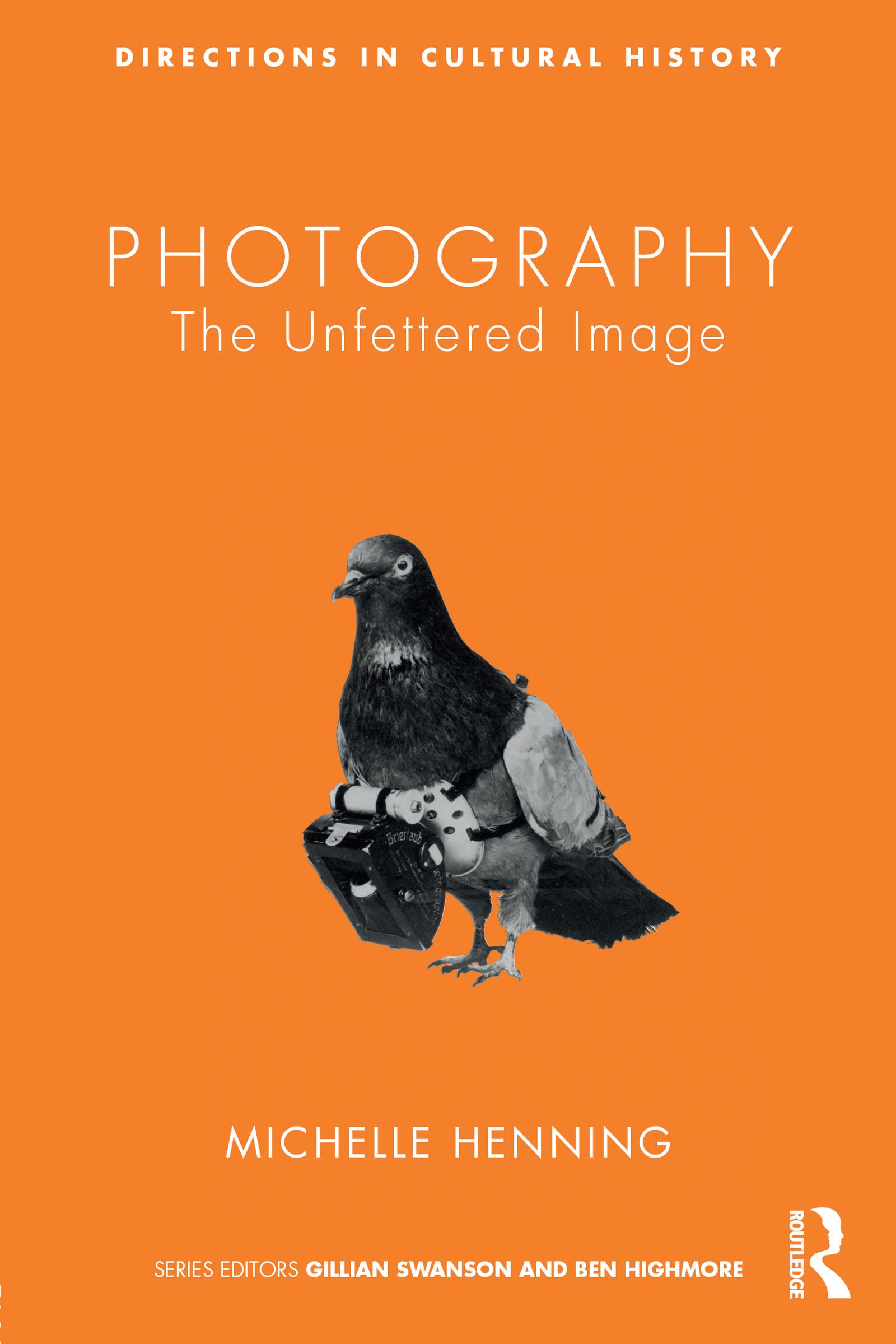
We live in a time in which photographs have become extraordinarily mobile. They can be exchanged and circulated at the swipe of a finger across a screen. The digital photographic image appears and disappears with a mere gesture of the hand.
Yet, this book argues that this mobility of the image was merely accelerated by digital media and telecommunications. Photographs, from the moment of their invention, set images loose by making them portable, reproducible, projectable, reduced in size and multiplied. The fact that we do not associate analogue photography with such mobility has much to do with the limitations of existing histories and theories of photography, which have tended to view photographic mobility as either an incidental characteristic or a fault.
Photography : The Unfettered Image traces the emergence of these ways of understanding photography, but also presents a differently nuanced and materialist history in which photography is understood as part of a larger development of media technologies. It is situated in much broader cultural contexts: caught up in the European colonial ambition to "grasp the world" and in the development of a new, artificial "second nature" dependent on the large-scale processing of animal and mineral materials. Focussing primarily on Victorian and 1920s–30s practices and theories, it demonstrates how photography was never simply a technology for fixing a fleeting reality.
Betal nemt med kort, Klarna, Apple Pay eller Google Pay. Ikke tilfreds? Du har altid 14 dages fortrydelsesret. Læs mere i vores vilkår. Har du spørgsmål, så send os en mail på hello@memmo.org.
Memmo gør det nemmere at studere – uanset hvor du er i verden. Hos os samler du dine kursusbøger og smarte studieværktøjer ét sted: resuméer, quizzer, podcasts og flashcards. Og så er der Ted, din studieven, der svarer på alt, du undrer dig over. Over 50 000 studerende studerer allerede her – bygget til at hjælpe dig med at lære hurtigere og stresse mindre.