
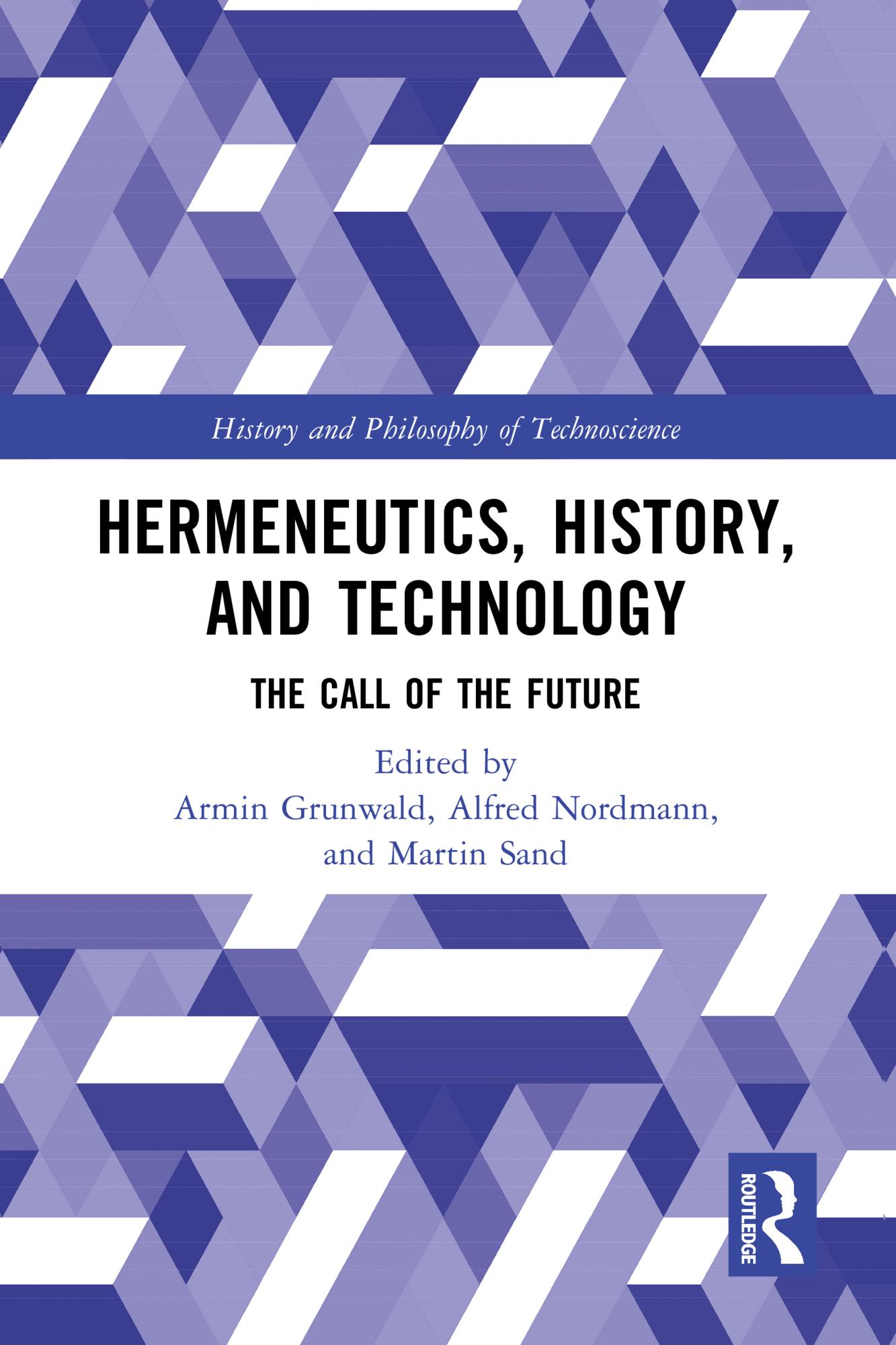
For better and worse, the future is often conceived in technological terms. Technology is supposed to meet the challenge of climate change or resource depletion. And when one asks about the world in 20 or 100 years, answers typically revolve around AI, genome editing, or geoengineering.
There is great demand to speculate about the future of work, the future of mobility, Industry 4.0, and Humanity 2.0. The humanities and social sciences, science studies, and technology assessment respond to this demand but need to seek out a responsible way of taking the future into account. This collection of papers, interviews, debates grew out of disagreements about technological futures, speculative ethics, plausible scenarios, anticipatory governance, and proactionary and precautionary approaches. It proposes Hermeneutic Technology Assessment as a way of understanding ourselves through our ways of envisioning the future. At the same time, a hermeneutic understanding of technological projects and prototypes allows for normative assessments of their promises.
Is the future an object of design? This question can bring together and divide policy makers, STS scholars, social theorists, and philosophers of history, and it will interest also the scientists and engineers who labor under the demand to deliver that future.
Betal nemt med kort, Klarna, Apple Pay eller Google Pay. Ikke tilfreds? Du har altid 14 dages fortrydelsesret. Læs mere i vores vilkår. Har du spørgsmål, så send os en mail på hello@memmo.org.
Memmo gør det nemmere at studere – uanset hvor du er i verden. Hos os samler du dine kursusbøger og smarte studieværktøjer ét sted: resuméer, quizzer, podcasts og flashcards. Og så er der Ted, din studieven, der svarer på alt, du undrer dig over. Over 50 000 studerende studerer allerede her – bygget til at hjælpe dig med at lære hurtigere og stresse mindre.