
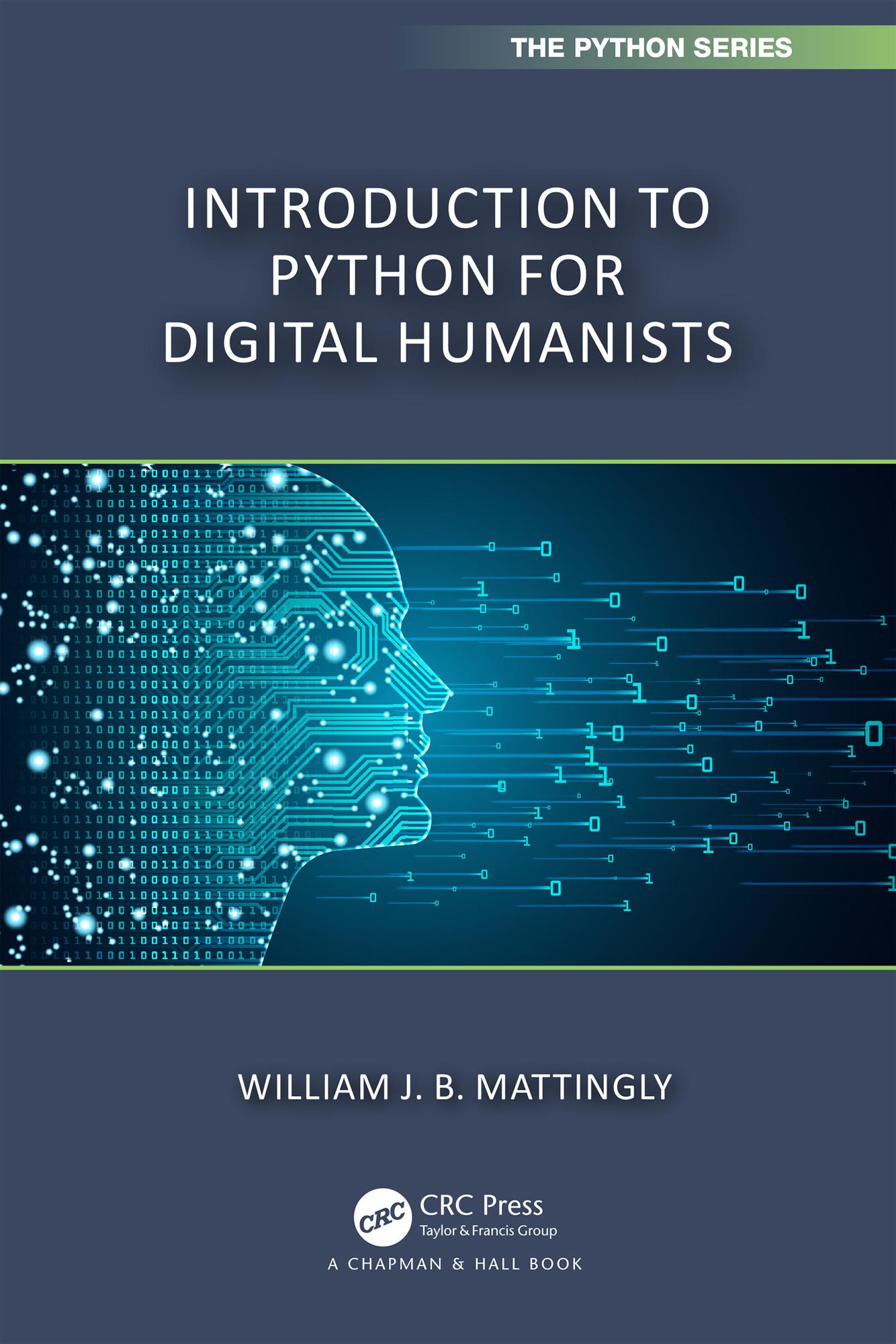
This book will introduce digital humanists at all levels of education to Python. It provides background and guidance on learning the Python computer programming language, and as it presumes no knowledge on the part of the reader about computers or coding concepts allows the reader to gradually learn the more complex tasks that are currently popular in the field of digital humanities. This book will be aimed at undergraduates, graduates, and faculty who are interested in learning how to use Python as a tool within their workflow. An Introduction to Python for Digital Humanists will act as a primer for students who wish to use Python, allowing them to engage with more advanced textbooks. This book fills a real need, as it is first Python introduction to be aimed squarely at humanities students, as other books currently available do not approach Python from a humanities perspective. It will be designed so that those experienced in Python can teach from it, in addition to allowing those who are interested in being self-taught can use it for that purpose.
Key Features:
- Data analysis
- Data science
- Computational humanities
- Digital humanities
- Python
- Natural language processing
- Social network analysis
- App development
Betal nemt med kort, Klarna, Apple Pay eller Google Pay. Ikke tilfreds? Du har altid 14 dages fortrydelsesret. Læs mere i vores vilkår. Har du spørgsmål, så send os en mail på hello@memmo.org.
Memmo gør det nemmere at studere – uanset hvor du er i verden. Hos os samler du dine kursusbøger og smarte studieværktøjer ét sted: resuméer, quizzer, podcasts og flashcards. Og så er der Ted, din studieven, der svarer på alt, du undrer dig over. Over 50 000 studerende studerer allerede her – bygget til at hjælpe dig med at lære hurtigere og stresse mindre.