
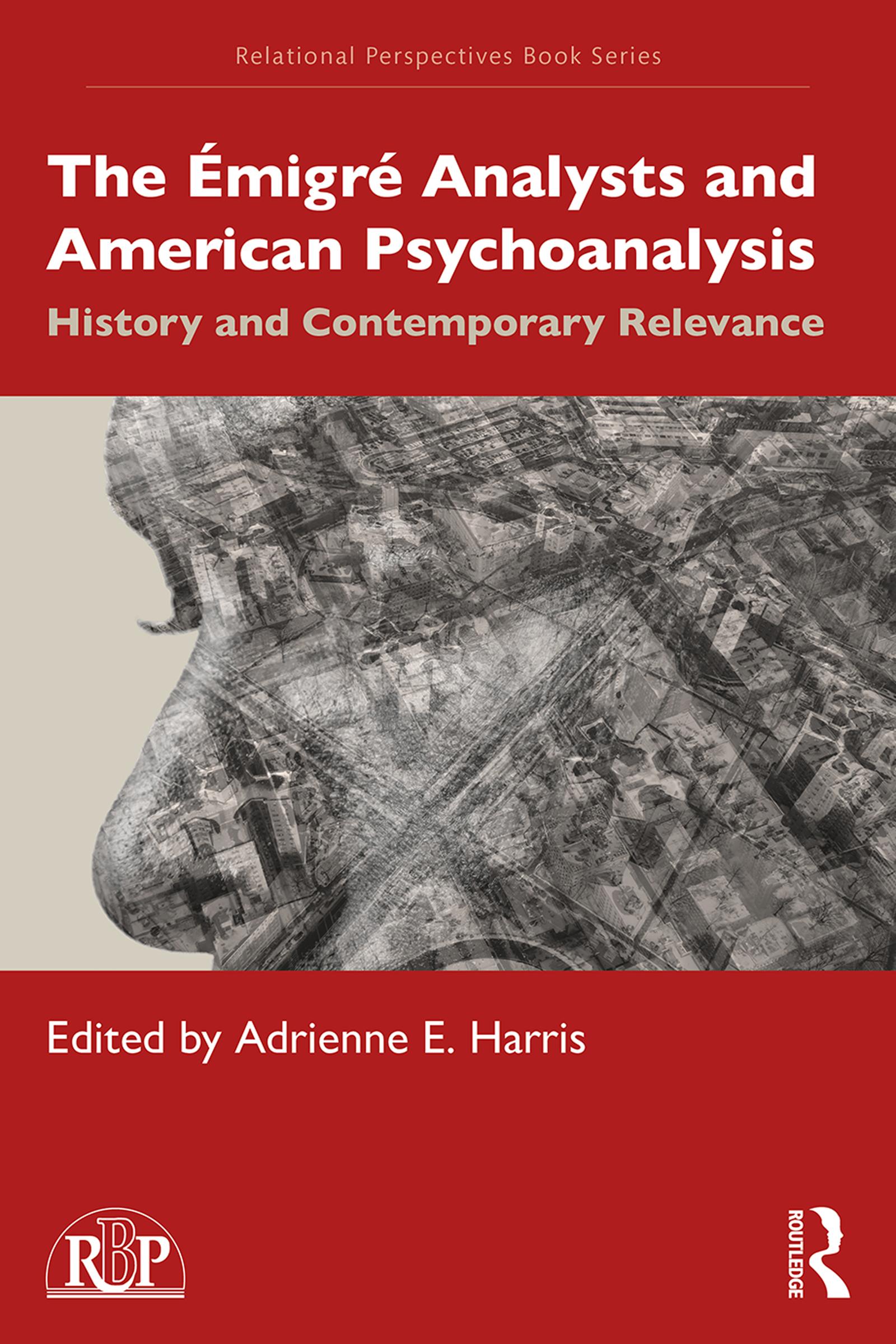
This book explores the impact of migration, including its causes, upon the key ideas and directions of psychoanalytic theory and practice from the twentieth century until today.
Having originated with a conference called "Émigré Analysts," developed through the Sandor Ferenczi Center at the New School for Social Research, this collection encompasses a wide array of often personal insights into the historical effects of exile and migration upon psychoanalysis. Divided into three sections, the book first attends to the political crises that affected the exile of psychoanalysts after the Second World War, tracing their journeys from Eastern Europe to the United States; secondly, the rise of antisemitism and the impact of the Holocaust upon these analysts is closely examined; and finally, this book attends to the protection and safety of analysts forced into exile in our contemporary moment with reference to the work being done by existing national and international psychoanalytic institutions.
As an engaging and thoroughly detailed account of the influence of exile upon American psychoanalysis, this book will be of as much interest to scholars of history and twentieth-century culture as to psychoanalysts and psychoanalytic psychotherapists in training and in practice.
Betal nemt med kort, Klarna, Apple Pay eller Google Pay. Ikke tilfreds? Du har altid 14 dages fortrydelsesret. Læs mere i vores vilkår. Har du spørgsmål, så send os en mail på hello@memmo.org.
Memmo gør det nemmere at studere – uanset hvor du er i verden. Hos os samler du dine kursusbøger og smarte studieværktøjer ét sted: resuméer, quizzer, podcasts og flashcards. Og så er der Ted, din studieven, der svarer på alt, du undrer dig over. Over 50 000 studerende studerer allerede her – bygget til at hjælpe dig med at lære hurtigere og stresse mindre.