
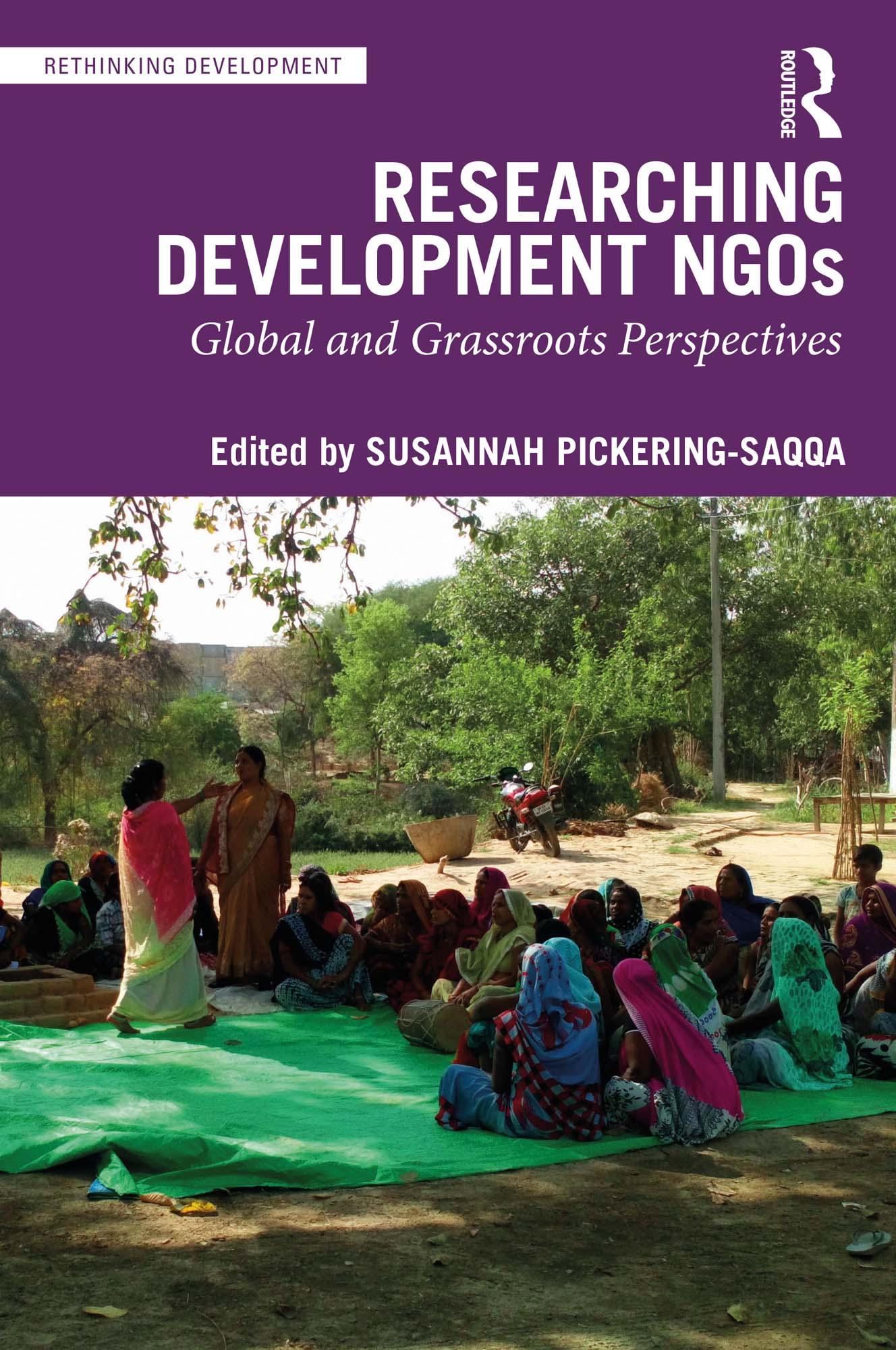
This book offers a critical insight into how the study of NGOs can be more theoretically grounded and methodologically creative.
The role of NGOs in global development has been the focus of considerable research and scholarship for the last four decades. More recently, scholars and NGO practitioners have begun to explore their relationships and how research can better inform practice and vice versa. This book addresses questions arising from such research, including: how different theoretical perspectives can be applied to the study of NGOs; what kinds of data can be used when trying to better understand NGOs; and what methods can be used in studying NGOs. Rather than evaluating the impact of NGO work, this is a book about how researchers and practitioners can better understand what NGOs do and how they operate. Bringing together work from a range of NGO researchers working across diverse disciplines and at varied stages of their academic careers, the collection is supported by recent case studies in the field as well as ‘dilemma boxes’ and discussion questions in every chapter.
As such, Researching Development NGOs is an essential resource for postgraduate students of Research Methods in Development Studies, NGOs and Development Management as well as practitioners wanting to find out more about the sector.
Betal nemt med kort, Klarna, Apple Pay eller Google Pay. Ikke tilfreds? Du har altid 14 dages fortrydelsesret. Læs mere i vores vilkår. Har du spørgsmål, så send os en mail på hello@memmo.org.
Memmo gør det nemmere at studere – uanset hvor du er i verden. Hos os samler du dine kursusbøger og smarte studieværktøjer ét sted: resuméer, quizzer, podcasts og flashcards. Og så er der Ted, din studieven, der svarer på alt, du undrer dig over. Over 50 000 studerende studerer allerede her – bygget til at hjælpe dig med at lære hurtigere og stresse mindre.