
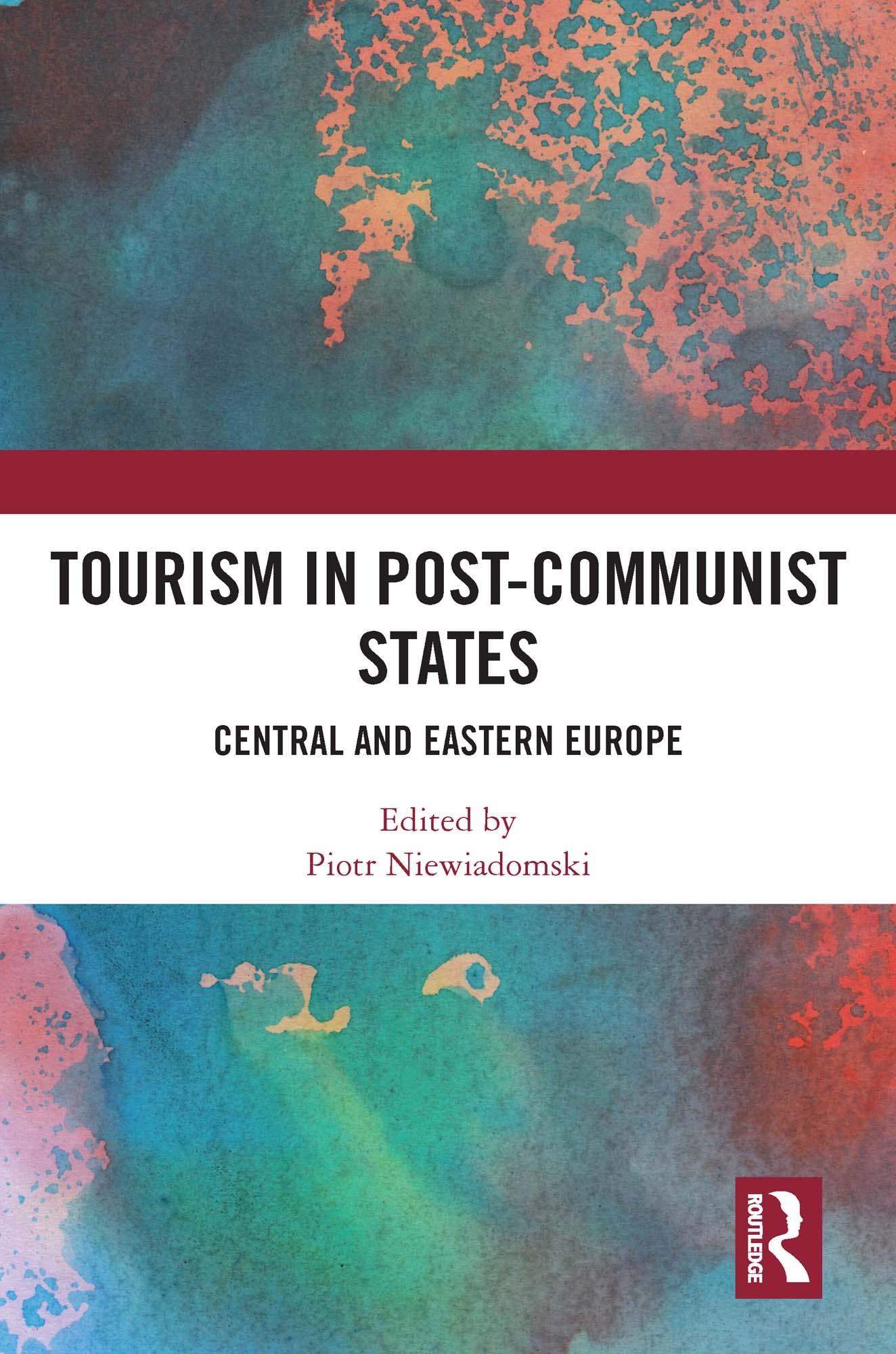
This book addresses tourism and its development in the post-communist context of Central and Eastern Europe (CEE). Although it has been over 30 years since many countries of Central and Eastern Europe embarked on the path of transition from state socialism to capitalism and liberal democracy, the ongoing atrocious events in Ukraine bluntly remind us that the perception of CEE as a ‘transition’ region may have been done away with too early and that the legacies of communism continue to influence the reality of the region. Tourism is no exception here. While on the one hand, tourism has significantly contributed to the post-communist restructuring of CEE, on the other, the communist heritage has played (and still plays) an important role in shaping the tourism geographies of the CEE region.
The book consists of 14 chapters (divided into two sections), a new introduction and a reflective concluding section. All 14 main chapters in this book were originally published in the Tourism Geographies journal. The aim of the book is two-fold. First, it summarises, distils and highlights the important and often ground-breaking contributions Tourism Geographies has made over the years to the debate on tourism in CEE. Second, it lays foundations for further research on tourism in the post-communist states of CEE. This book will be of great interest to upper-level students, researchers, and academics in various disciplines – human geography, politics, sociology, and tourism studies in general.
Betal nemt med kort, Klarna, Apple Pay eller Google Pay. Ikke tilfreds? Du har altid 14 dages fortrydelsesret. Læs mere i vores vilkår. Har du spørgsmål, så send os en mail på hello@memmo.org.
Memmo gør det nemmere at studere – uanset hvor du er i verden. Hos os samler du dine kursusbøger og smarte studieværktøjer ét sted: resuméer, quizzer, podcasts og flashcards. Og så er der Ted, din studieven, der svarer på alt, du undrer dig over. Over 50 000 studerende studerer allerede her – bygget til at hjælpe dig med at lære hurtigere og stresse mindre.