
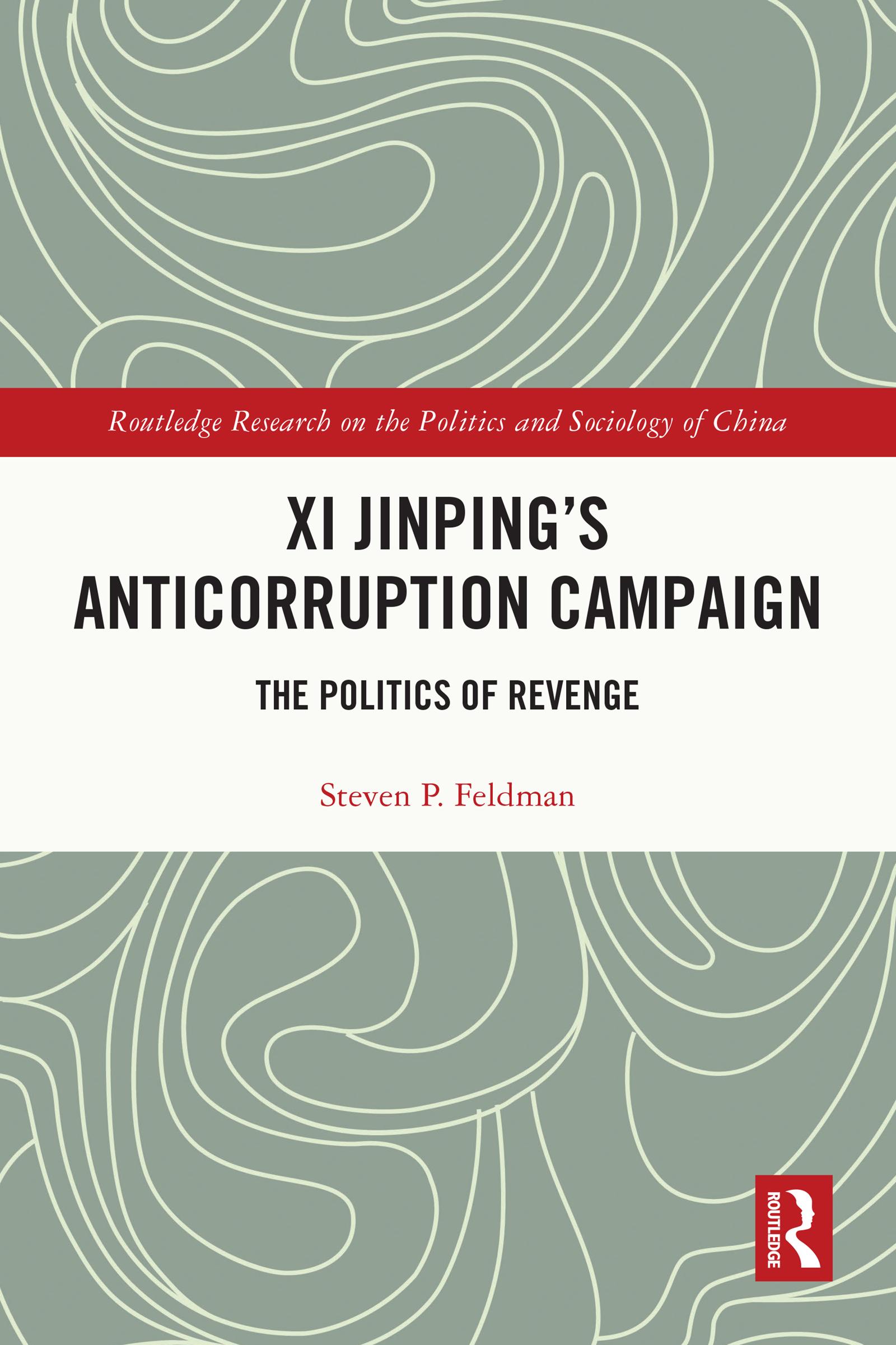
Through empirical analysis and conceptual development, this book analyzes the political psychology of Xi Jinping's Anticorruption Campaign and its role in the Chinese political system.
Using Nietzsche’s concept of ressentiment and data collected from direct fieldwork, the book analyzes the Chinese Communist Party (CCP) dictatorship, revealing that it is prone to extremes, through ideology or corruption, and highlights how the Party’s attempts to address one extreme only leads to the rise of another. In turn, it examines the Anticorruption Campaign in multiple ways including its use to increase the role of ideology in Chinese society, how it functions to concentrate Xi's power, its cultural form as a status reversal ritual, and its continuity with previous communist campaigns and ancient Chinese political traditions. Through each of these analyses, the book identifies crucial mechanisms through which the CCP maintains power through interrelated policies, actions, and their emotional effects.
Providing a vital understanding of the CCP, this book will be an invaluable resource to students and scholars of Chinese politics, as well as diplomats and policymakers on China.
Betal nemt med kort, Klarna, Apple Pay eller Google Pay. Ikke tilfreds? Du har altid 14 dages fortrydelsesret. Læs mere i vores vilkår. Har du spørgsmål, så send os en mail på hello@memmo.org.
Memmo gør det nemmere at studere – uanset hvor du er i verden. Hos os samler du dine kursusbøger og smarte studieværktøjer ét sted: resuméer, quizzer, podcasts og flashcards. Og så er der Ted, din studieven, der svarer på alt, du undrer dig over. Over 50 000 studerende studerer allerede her – bygget til at hjælpe dig med at lære hurtigere og stresse mindre.