
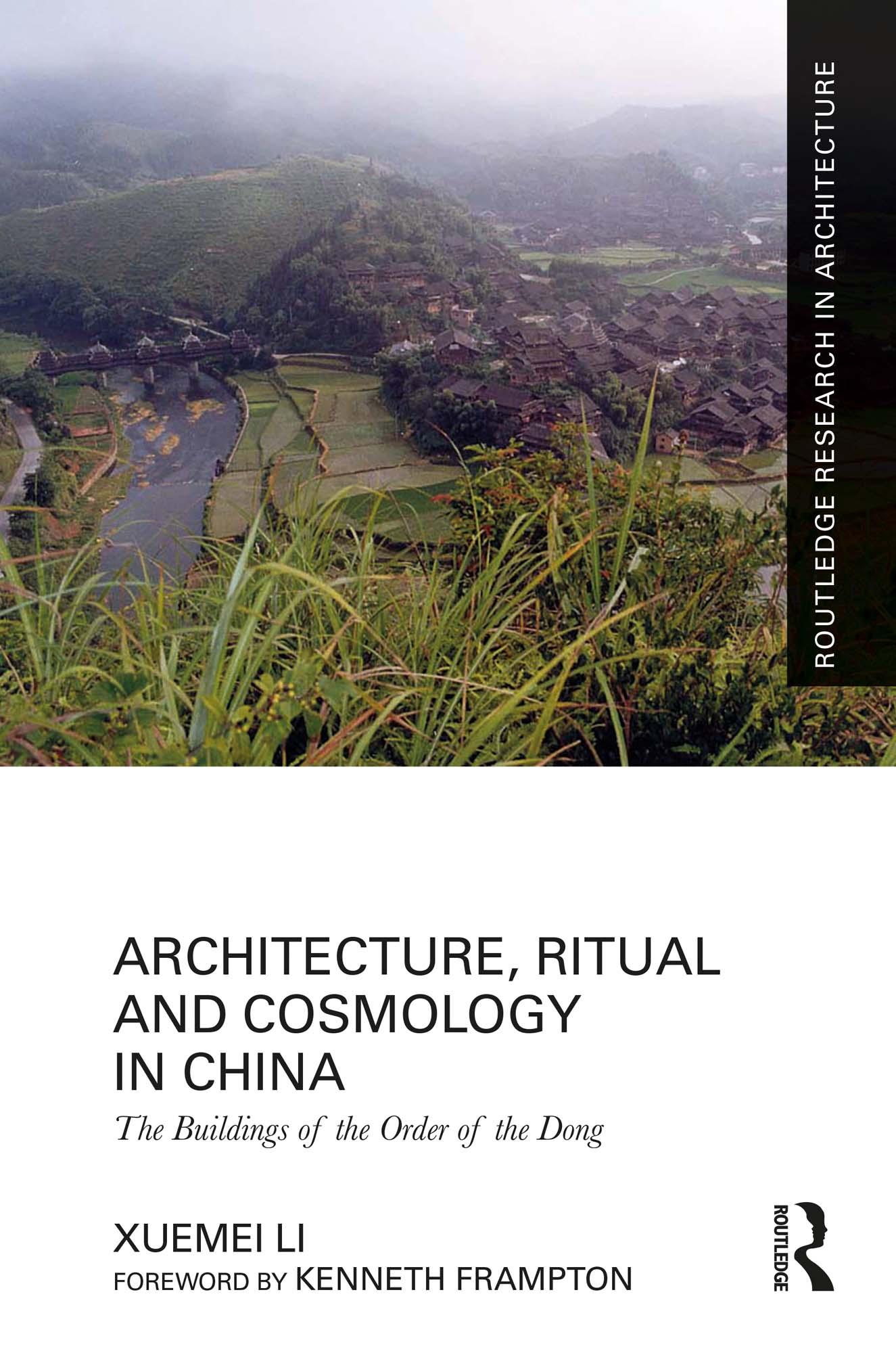
Drawing on the author’s extensive fieldwork in the Dong areas in southwest China, this book presents a detailed picture of the Dong’s buildings and techniques, with new insights into the Dong’s cosmology and rituals of everyday life meshed with the architecture, and the symbolic meanings. It examines how the buildings and techniques of the Dong are ordered and influenced by the local culture and context.
The timber bridges and drum towers are the Dong’s most prominent architectural monuments. Usually built elaborately with multiple roofs, these bridges and drum towers were designed and maintained by the local carpenters who also built the village suspended houses, in an oral tradition carried down from father to son or to apprentice. They were funded entirely by the local people, and the bridges tend to be built in places without great pressure of traffic or another bridge already existing close by. Why does such great expense go into the Dong’s buildings with elaboration? How were they built? And what do they mean to their users and builders?
This book is an anthropological study on the Dong’s architecture and technique, and it aims to contribute a discourse on the interdisciplinary research area. It is suitable for graduate and postgraduate readers.
Betal nemt med kort, Klarna, Apple Pay eller Google Pay. Ikke tilfreds? Du har altid 14 dages fortrydelsesret. Læs mere i vores vilkår. Har du spørgsmål, så send os en mail på hello@memmo.org.
Memmo gør det nemmere at studere – uanset hvor du er i verden. Hos os samler du dine kursusbøger og smarte studieværktøjer ét sted: resuméer, quizzer, podcasts og flashcards. Og så er der Ted, din studieven, der svarer på alt, du undrer dig over. Over 50 000 studerende studerer allerede her – bygget til at hjælpe dig med at lære hurtigere og stresse mindre.