
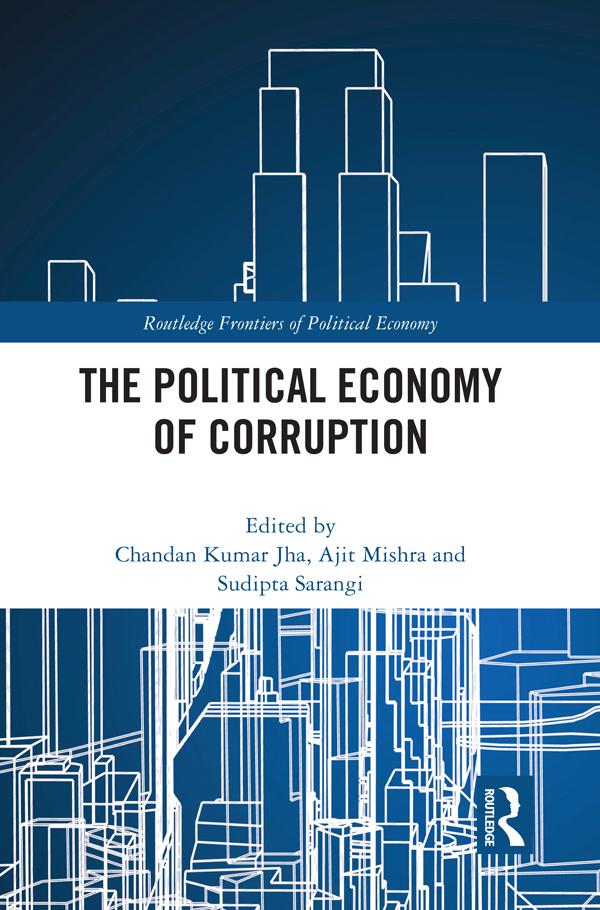
Corruption, commonly defined as the misuse of public office for private gains, is multifaceted, multidimensional and ubiquitous. This edited collection, featuring contributions from leading scholars in the field of corruption, goes beyond the standard enforcement framework wherein individuals only compare the expected costs and benefits of a corrupt act. These chapters explore the political-cultural contexts, legal and regulatory process and, above all, moral and psychological factors in attempts to understand and explain corruption. The book explores a broad canvas where gender, technology, culture and institutional structures influence attitudes towards corruption.
Design and implementation of anti-corruption strategies benefit from suitable identification of these factors contributing to the prevalence and persistence of corruption. Combining theoretical and empirical studies with evidence from experiments as well as case studies, the book provides crucial state of the art in corruption research in a highly accessible manner. This book serves as a vital reference to students and scholars in economics, politics and development studies. Additionally, policymakers and development practitioners can use the insights from this book in successful design and implementation of anti-corruption policies.
Betal nemt med kort, Klarna, Apple Pay eller Google Pay. Ikke tilfreds? Du har altid 14 dages fortrydelsesret. Læs mere i vores vilkår. Har du spørgsmål, så send os en mail på hello@memmo.org.
Memmo gør det nemmere at studere – uanset hvor du er i verden. Hos os samler du dine kursusbøger og smarte studieværktøjer ét sted: resuméer, quizzer, podcasts og flashcards. Og så er der Ted, din studieven, der svarer på alt, du undrer dig over. Over 50 000 studerende studerer allerede her – bygget til at hjælpe dig med at lære hurtigere og stresse mindre.