
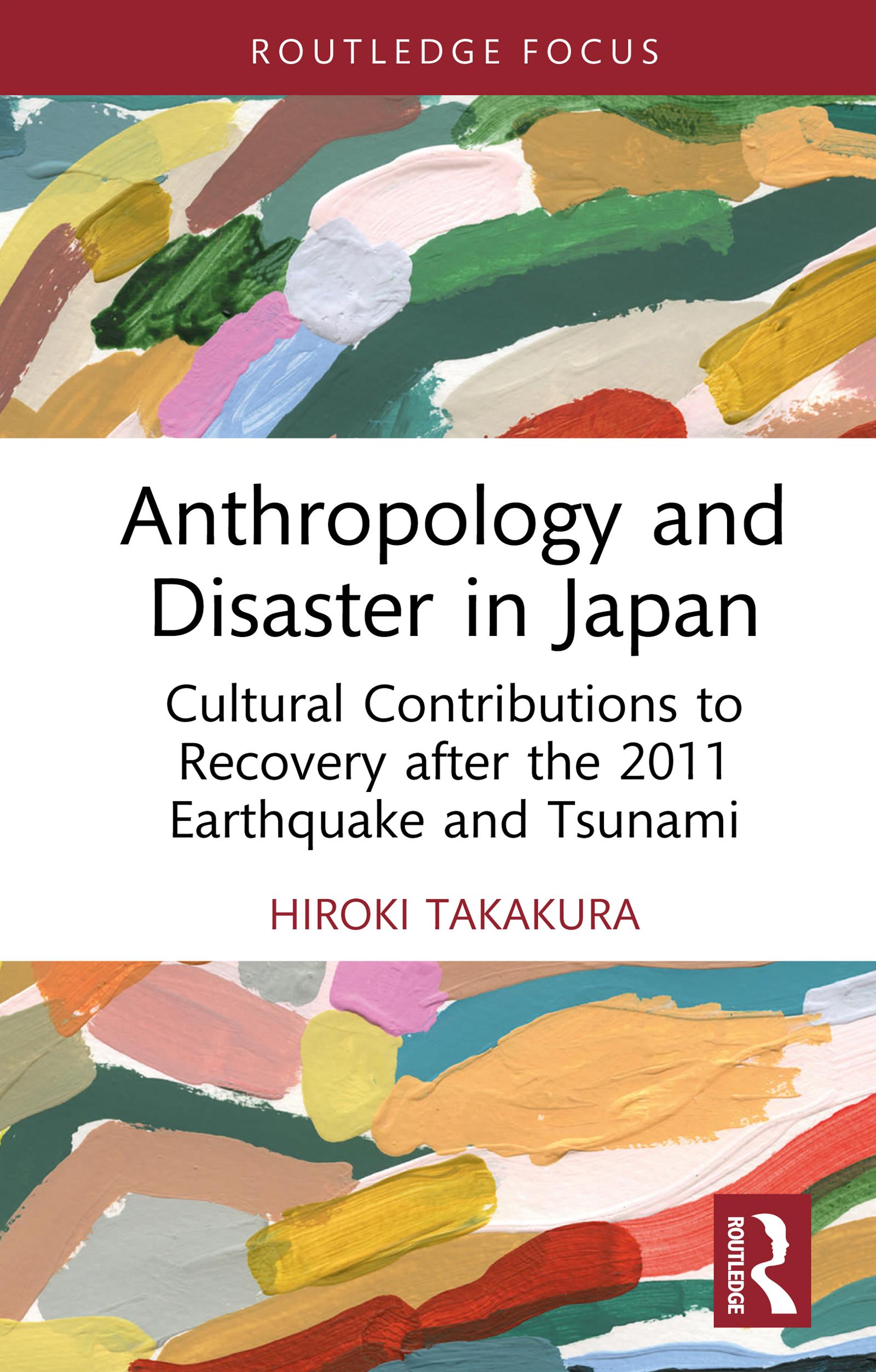
This book focuses on the 3.11 disaster in Japan, involving a powerful earthquake and tsunami, from an anthropological perspective. It critically reflects on the challenges of conducting anthropological research when encountering disaster at home and the position of social scientist as sufferer. Emphasizing the role of culture in disaster mitigation, the book offers theoretical consideration of the role of cultural heritage in risk management, in line with recent trends in international policy on disaster risk reduction. Taking an approach “with the people in,” the author explores how culture features in disaster recovery at community level and considers implications for policy. The chapters explore the response and adaptation by local cultural practitioners and performing arts groups as well as farmers and fishers. Japanese farming and fishing are presented as an innovative and dynamic part of the recovery process. The book will be of interest to scholars and policymakers working in disaster studies, Japan studies, and fields including anthropology, geography, sociology, and heritage management.
Betal nemt med kort, Klarna, Apple Pay eller Google Pay. Ikke tilfreds? Du har altid 14 dages fortrydelsesret. Læs mere i vores vilkår. Har du spørgsmål, så send os en mail på hello@memmo.org.
Memmo gør det nemmere at studere – uanset hvor du er i verden. Hos os samler du dine kursusbøger og smarte studieværktøjer ét sted: resuméer, quizzer, podcasts og flashcards. Og så er der Ted, din studieven, der svarer på alt, du undrer dig over. Over 50 000 studerende studerer allerede her – bygget til at hjælpe dig med at lære hurtigere og stresse mindre.