
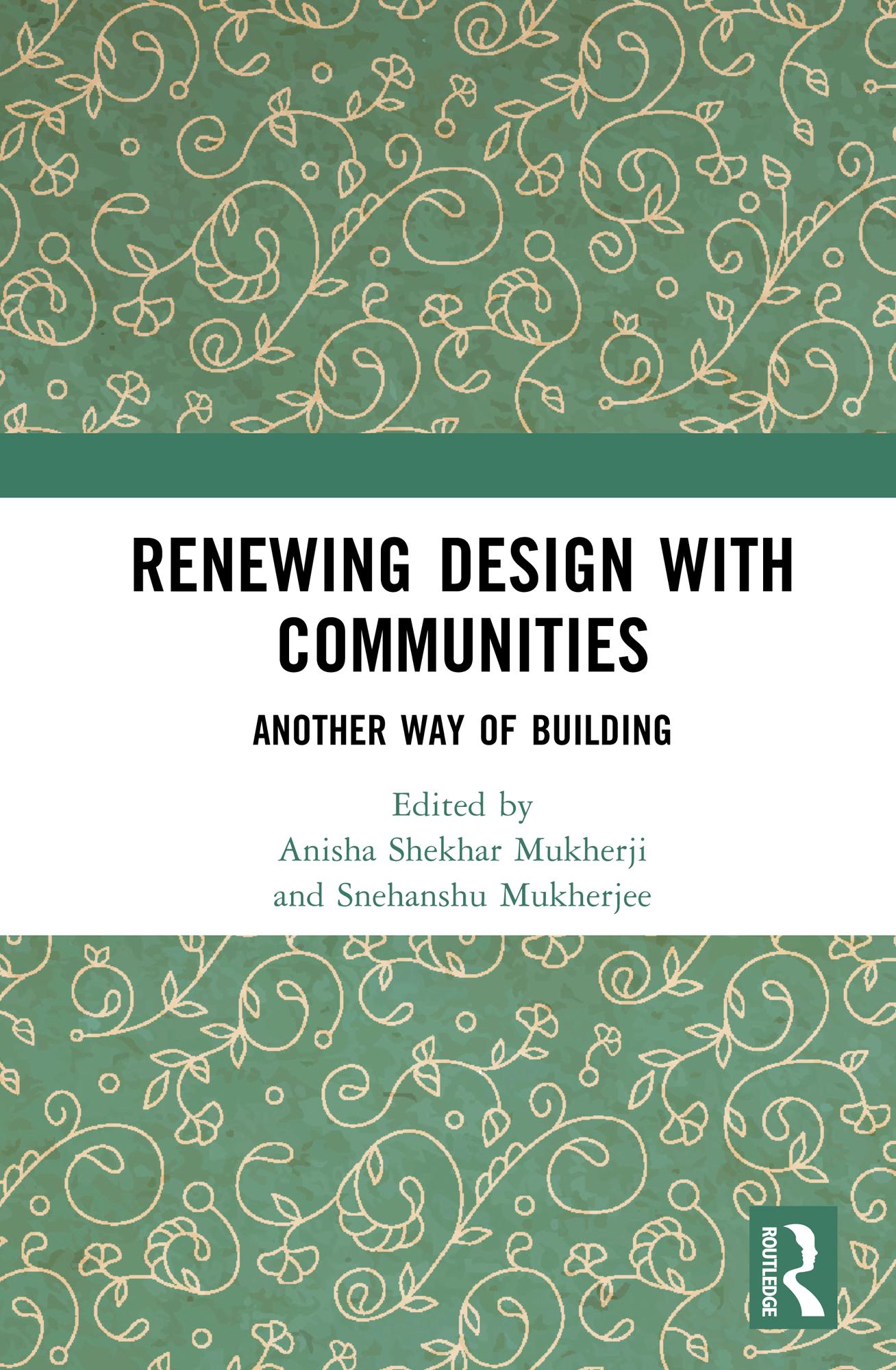
This book looks at alternative ways of analyzing traditional and contemporary architectural design and building practices in South Asia with a special focus on India. It showcases how collaborative projects between architects and local communities and drawing from local building traditions can lead to sustainable and equitable practices in architecture.
The volume includes an analysis of projects in rural, tribal, and urban areas of India and Nepal and first-hand accounts of architects, teachers, and professionals engaged in the theory and practice of design and architecture. It examines the differences between the individualistic and the collective approach and explores the meaning of architecture as a process and as a product and as a decentralized, ecologically, and locally sensitive way of designing. While comparing traditional and modern methods of building, it also examines the impact of each method on the community, the economy and the surrounding environment.
This book will be of interest to researchers and students of architecture, urban studies, urban planning, urban ecology, urban geography, and sustainable development. It will also be useful for architects, planners, urban designers, and professionals associated with these disciplines.
Betal nemt med kort, Klarna, Apple Pay eller Google Pay. Ikke tilfreds? Du har altid 14 dages fortrydelsesret. Læs mere i vores vilkår. Har du spørgsmål, så send os en mail på hello@memmo.org.
Memmo gør det nemmere at studere – uanset hvor du er i verden. Hos os samler du dine kursusbøger og smarte studieværktøjer ét sted: resuméer, quizzer, podcasts og flashcards. Og så er der Ted, din studieven, der svarer på alt, du undrer dig over. Over 50 000 studerende studerer allerede her – bygget til at hjælpe dig med at lære hurtigere og stresse mindre.