
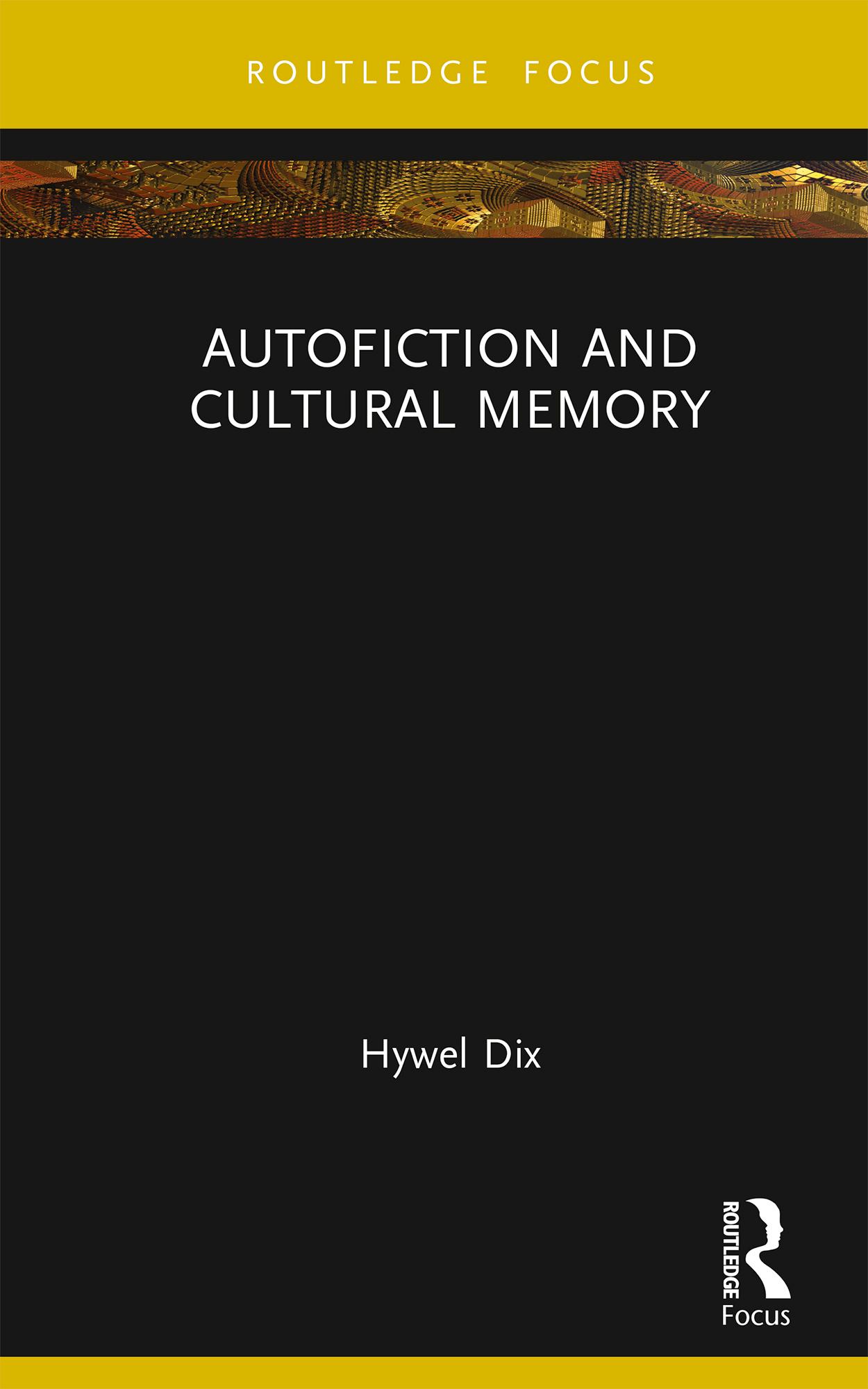
Autofiction and Cultural Memory breaks new ground in autofiction research by showing how it gives postcolonial writers a means of bearing witness to past cultural or political struggles, and hence of contributing to new forms of cultural memory.
Most discussion of autofiction has treated it as an individualistic form, dealing with the personal growth of its authors. In doing so, it privileges narratives of private development over those of social commitment and accords with Western concepts of ownership and authorship. By contrast, Hywel Dix shows how a variety of writers outside the Western world have used the techniques of autofiction in a different way, placing themselves on the side lines of their own stories to show solidarity with struggles against imperialism and tyranny.
Drawing on examples from Algeria, Ethiopia, the Caribbean, the Americas, India and Turkey, Dix presents autofiction as a form which combines the life stories of authors with the collective struggles of their societies to restore to view historical injustices that have been marginalised and forgotten. By contributing to new forms of cultural memory, autofiction raises important questions about what we choose to remember and what we value in the present. This book will be of interest to anyone working in postcolonial studies, world literature, trauma studies, autobiography, life writing or social justice.
Betal nemt med kort, Klarna, Apple Pay eller Google Pay. Ikke tilfreds? Du har altid 14 dages fortrydelsesret. Læs mere i vores vilkår. Har du spørgsmål, så send os en mail på hello@memmo.org.
Memmo gør det nemmere at studere – uanset hvor du er i verden. Hos os samler du dine kursusbøger og smarte studieværktøjer ét sted: resuméer, quizzer, podcasts og flashcards. Og så er der Ted, din studieven, der svarer på alt, du undrer dig over. Over 50 000 studerende studerer allerede her – bygget til at hjælpe dig med at lære hurtigere og stresse mindre.