
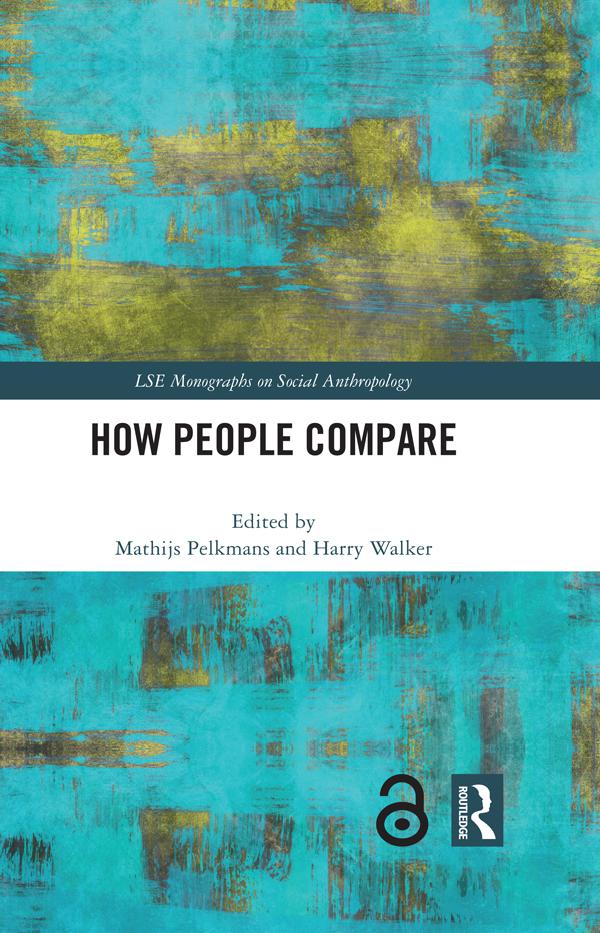
This book focuses on comparison in anthropology, turning an ethnographic lens onto the diversity of comparative practice. It seeks to understand how, why and with what consequences diversely situated groups of people – many of whom operate on radically different premises to professional anthropologists – make comparisons, above all, between themselves and real or imagined others. What motivates people to compare, what techniques or logics do they employ, and what are the most likely outcomes – both intended and unintended? How do comparative practices reflect, reinforce or refuse uneven relations of power? And finally, what can a rejuvenated comparative anthropology learn from the anthropology of comparison? The volume develops a dialogue between scholars with long- term ethnographic engagement in a variety of contexts around the world and is particularly valuable reading for those interested in anthropological methodology and theory.
Betal nemt med kort, Klarna, Apple Pay eller Google Pay. Ikke tilfreds? Du har altid 14 dages fortrydelsesret. Læs mere i vores vilkår. Har du spørgsmål, så send os en mail på hello@memmo.org.
Memmo gør det nemmere at studere – uanset hvor du er i verden. Hos os samler du dine kursusbøger og smarte studieværktøjer ét sted: resuméer, quizzer, podcasts og flashcards. Og så er der Ted, din studieven, der svarer på alt, du undrer dig over. Over 50 000 studerende studerer allerede her – bygget til at hjælpe dig med at lære hurtigere og stresse mindre.