
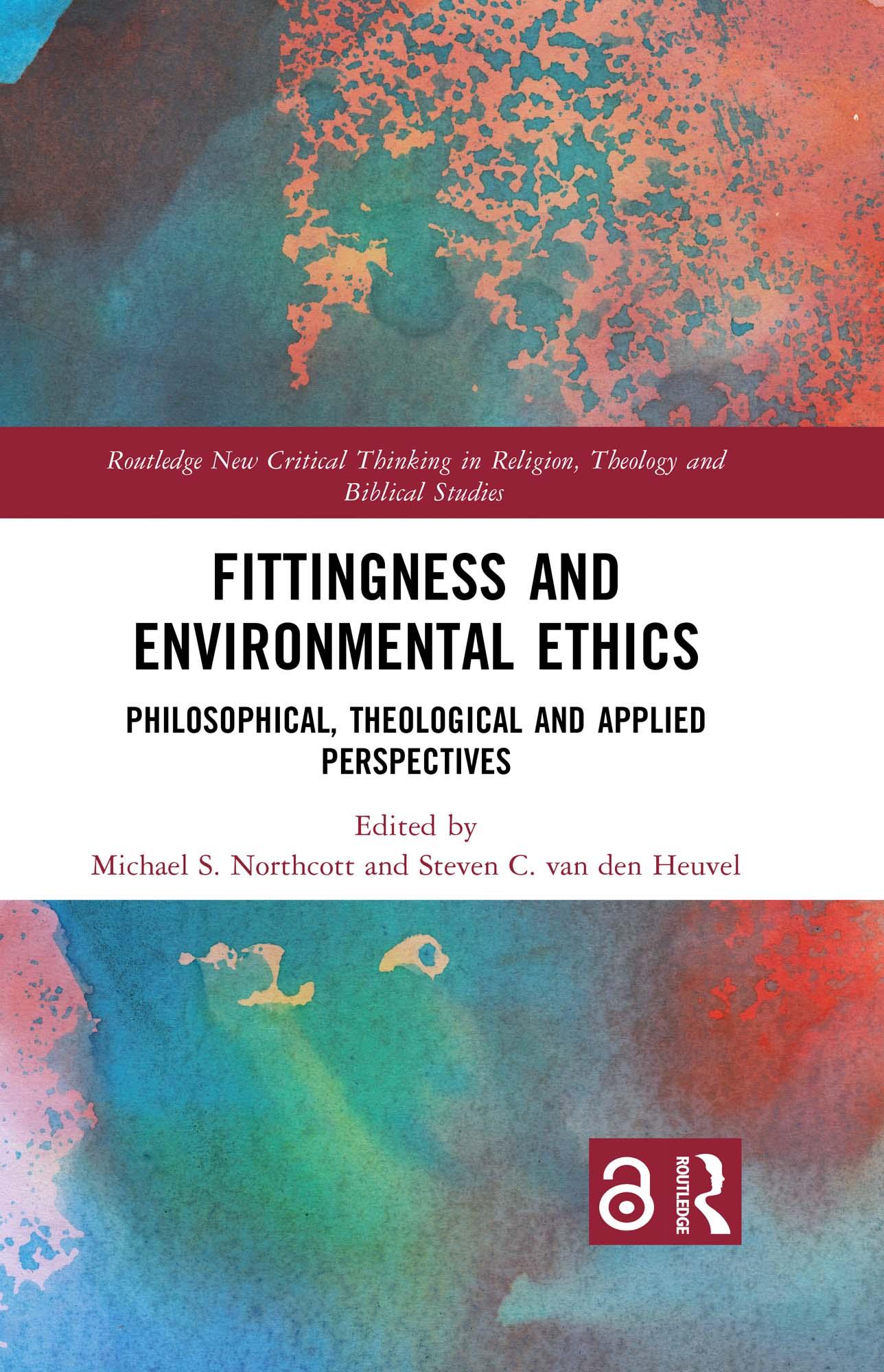
This volume focuses on ‘fittingness’ as an ethical-aesthetical idea, and in particular examines how the concept is beneficial for environmental ethics. It brings together an innovative set of contributions to argue that fittingness is a significant but under-investigated facet of human ethical deliberation with both ethical and aesthetic dimensions. In widely diverse matters – from architecture to table manners – individuals and communities make decisions based on ‘fittingness’, also expressed in related terms, such as appropriateness, prudence, temperance, and mutuality. In the realm of environmental ethics, fittingness denotes a relation between conscious embodied persons and their habitats and is of relevance to judgements about how humans shape, and take up with, the non-human environment, and hence to ethical decisions about the development and use of the environment and non-human creatures. As such, fittingness can be of great benefit in reframing human relationships to the non-human, stimulating a way of living in the world that is fitting to the preservation of its fruitfulness, goodness, beauty, and truth.
Betal nemt med kort, Klarna, Apple Pay eller Google Pay. Ikke tilfreds? Du har altid 14 dages fortrydelsesret. Læs mere i vores vilkår. Har du spørgsmål, så send os en mail på hello@memmo.org.
Memmo gør det nemmere at studere – uanset hvor du er i verden. Hos os samler du dine kursusbøger og smarte studieværktøjer ét sted: resuméer, quizzer, podcasts og flashcards. Og så er der Ted, din studieven, der svarer på alt, du undrer dig over. Over 50 000 studerende studerer allerede her – bygget til at hjælpe dig med at lære hurtigere og stresse mindre.