
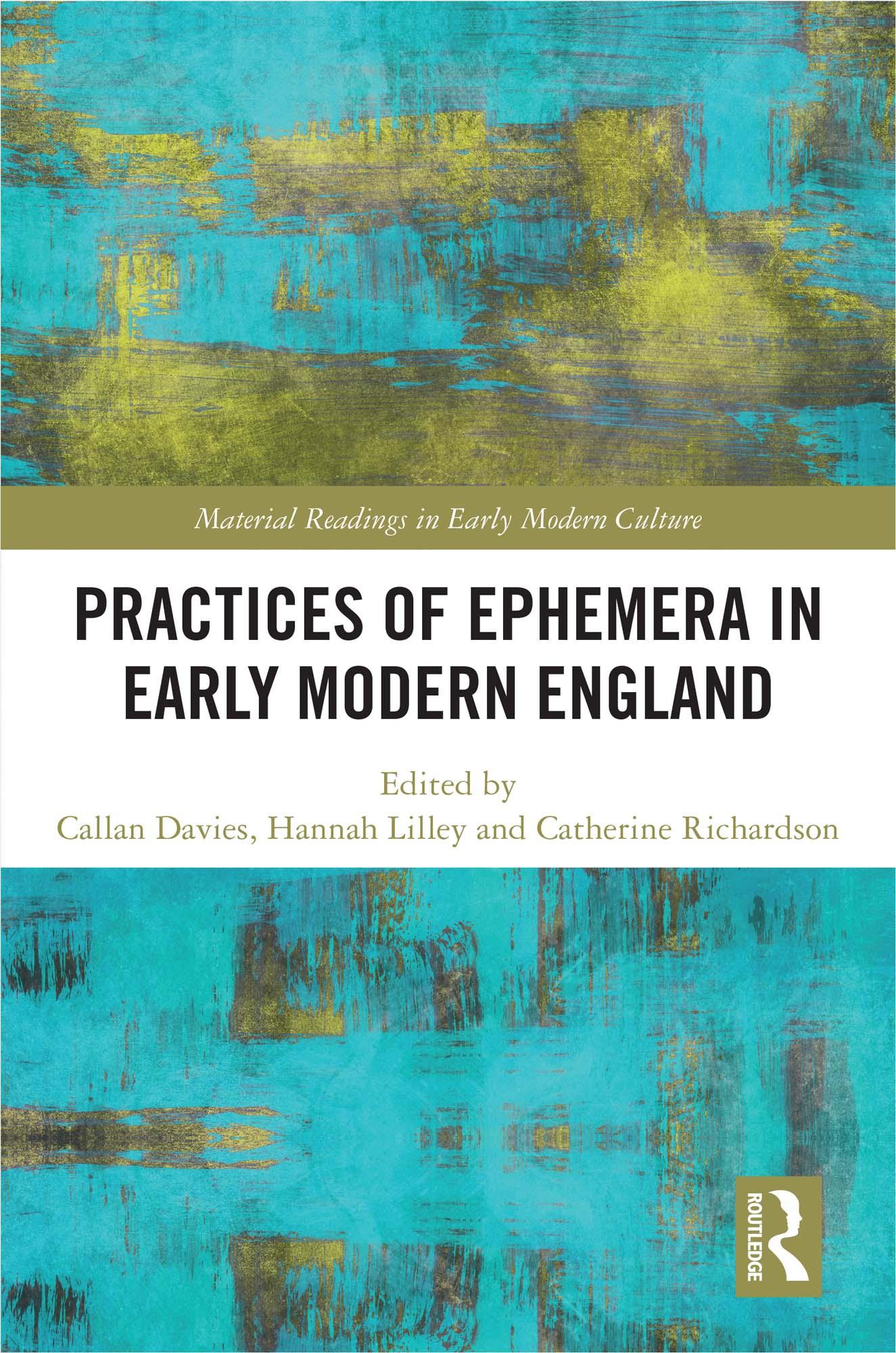
This collection is the first to historicise the term ephemera and its meanings for early modern England and considers its relationship to time, matter, and place. It asks: how do we conceive of ephemera in a period before it was routinely employed (from the eighteenth century) to describe ostensibly disposable print? In the sixteenth and seventeenth centuries—when objects and texts were rapidly proliferating—the term began to acquire its modern association with transitoriness. But contributors to this volume show how ephemera was also integrally related to wider social and cultural ecosystems. Chapters explore those ecosystems and think about the papers and artefacts that shaped homes, streets, and cities or towns and their attendant preservation, loss, or transformation. The studies here therefore look beyond static records to think about moments of process and transmutation and accordingly get closer to early modern experiences, identities, and practices.
Betal nemt med kort, Klarna, Apple Pay eller Google Pay. Ikke tilfreds? Du har altid 14 dages fortrydelsesret. Læs mere i vores vilkår. Har du spørgsmål, så send os en mail på hello@memmo.org.
Memmo gør det nemmere at studere – uanset hvor du er i verden. Hos os samler du dine kursusbøger og smarte studieværktøjer ét sted: resuméer, quizzer, podcasts og flashcards. Og så er der Ted, din studieven, der svarer på alt, du undrer dig over. Over 50 000 studerende studerer allerede her – bygget til at hjælpe dig med at lære hurtigere og stresse mindre.