
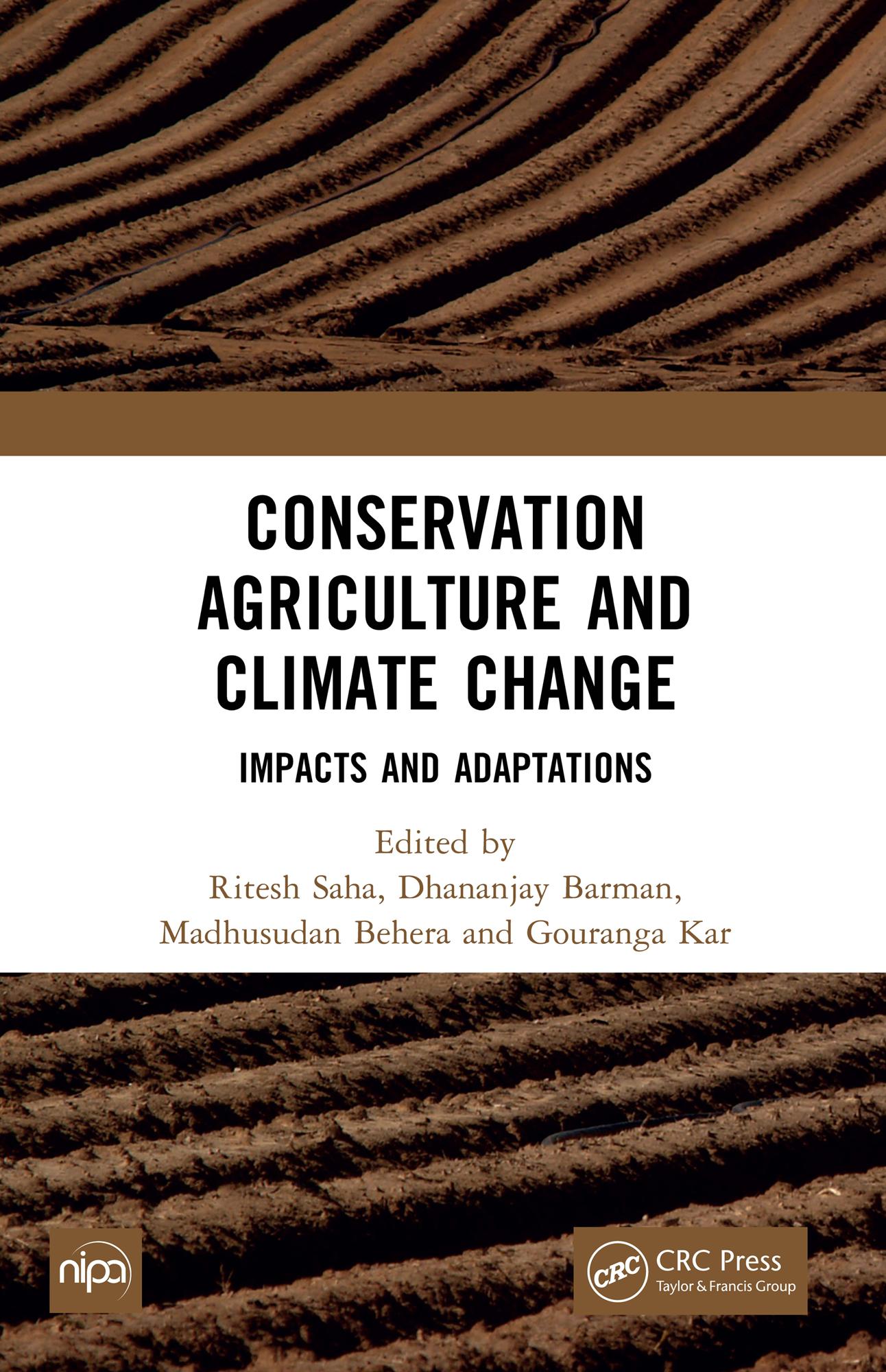
Conventional tillage and burning crop residues has degraded the soil resource base and intensified soil degradation with concomitant decrease in crop production capacity. The emerging issue of global warming coupled with greenhouse gases emissions has further aggravated the scenario. Conservation agriculture helps in reducing many negative effects of conventional agriculture such as soil erosion, soil organic matter decline, water loss, soil physical degradation, and fuel use. Conservation Agriculture helps improve biodiversity in the natural and agro-ecosystems. Complemented by other good agricultural practices including the use of quality seeds, integrated pest, nutrient and water management, Conservation Agriculture provides a base for sustainable intensification of the agricultural production system. Moreover, the yield levels in Conservation Agriculture systems are higher than traditional intensive tillage systems with substantially less production costs.
This book provides comprehensive understanding of the subject with topics related to climate change mitigation strategies, approaches and impact of conservation agriculture on natural resource management.
This book is co-published with NIPA. Taylor and Francis does not sell or distribute its print and electronic editions in India, Pakistan, Nepal, Bhutan, Bangladesh and Sri Lanka.
Betal nemt med kort, Klarna, Apple Pay eller Google Pay. Ikke tilfreds? Du har altid 14 dages fortrydelsesret. Læs mere i vores vilkår. Har du spørgsmål, så send os en mail på hello@memmo.org.
Memmo gør det nemmere at studere – uanset hvor du er i verden. Hos os samler du dine kursusbøger og smarte studieværktøjer ét sted: resuméer, quizzer, podcasts og flashcards. Og så er der Ted, din studieven, der svarer på alt, du undrer dig over. Over 50 000 studerende studerer allerede her – bygget til at hjælpe dig med at lære hurtigere og stresse mindre.