
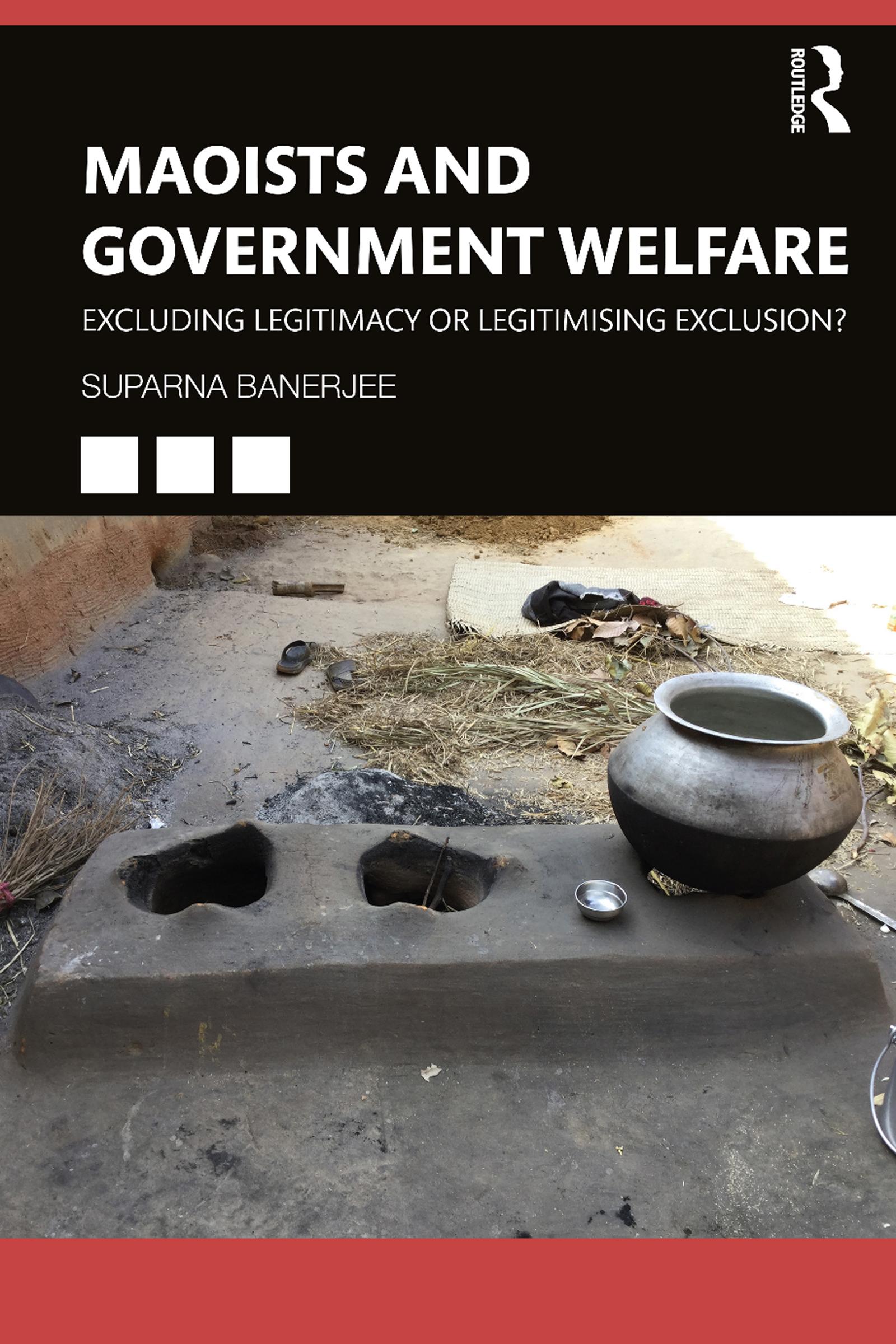
This book systematically analyses state responses towards Maoism in India and studies the role of state policies in prolonging conflict. It looks at how the structural maladies that once gave rise to conflict have now found a place in the government responses meant to address it. The book studies the socio-political conditions of Adivasis and lower caste groups that make up large sections of the cadre and highlights the exclusionary nature of the Indian political landscape. It discusses various themes such as state legitimacy, the political landscape through exclusion, the agency of Maoist foot soldiers, limitations of government welfare responses, and the idea of the marginalised in India.
Rich in empirical data, the book will be useful for scholars and researchers of development studies, political studies, political sociology, minority studies, exclusion studies, sociology and social anthropology. It will also be of interest to policy-makers.
Betal nemt med kort, Klarna, Apple Pay eller Google Pay. Ikke tilfreds? Du har altid 14 dages fortrydelsesret. Læs mere i vores vilkår. Har du spørgsmål, så send os en mail på hello@memmo.org.
Memmo gør det nemmere at studere – uanset hvor du er i verden. Hos os samler du dine kursusbøger og smarte studieværktøjer ét sted: resuméer, quizzer, podcasts og flashcards. Og så er der Ted, din studieven, der svarer på alt, du undrer dig over. Over 50 000 studerende studerer allerede her – bygget til at hjælpe dig med at lære hurtigere og stresse mindre.