
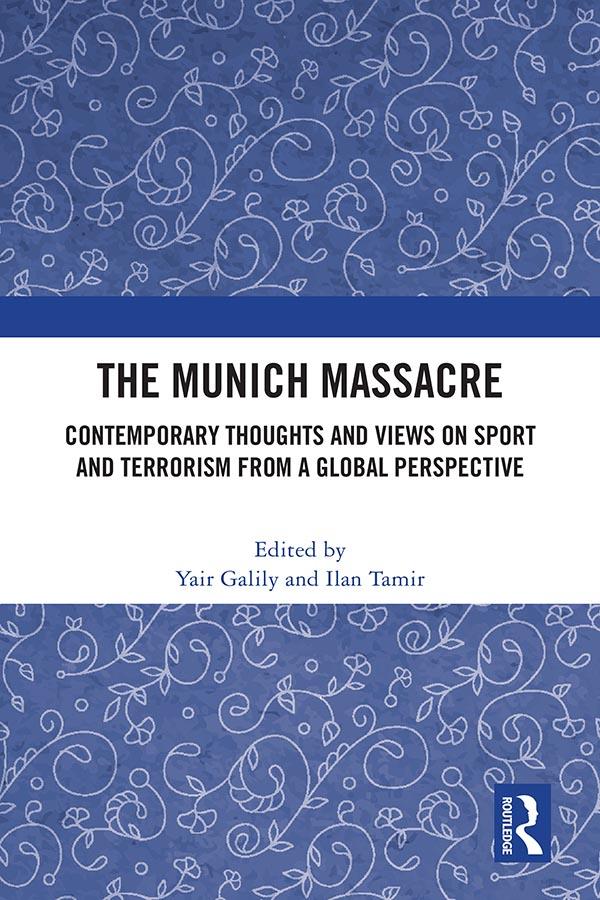
This book contextualizes the Munich massacre as one of the factors that contributed to a re-thinking of security strategies in the early 1970s, a moment in the evolution of modern governments’ fight against terrorism.
In the early hours of September 5th, 1972, heavily armed members of the Palestinian group, Black September, turned terrorism into a global televisual spectacle for the first time by entering the Olympic Village, where they murdered two Israeli athletes and took nine of their teammates hostage in 31 Connollystraße. Indeed, terrorism has far-reaching implications on social, psychological, and political levels. Sporting attacks on athletic personalities or mega-events may also seriously affect the reputation of the political leadership, ultimately undermining the state’s authority. Hence, 50 years later, this book aims to gather contemporaneous scholarly work that further explores this topic from a variety of perspectives—from security, sociology, media, history, public relations, to the political, ideological, and psychological aspects of sport and terror.
This volume will be of great use to scholars and researchers interested in Terrorist and Security studies, political violence, and the Arab Israeli conflict, particularly the collective memory of the Munich Massacre. The chapters in this book were first published as a special issue of Israel Affairs.
Betal nemt med kort, Klarna, Apple Pay eller Google Pay. Ikke tilfreds? Du har altid 14 dages fortrydelsesret. Læs mere i vores vilkår. Har du spørgsmål, så send os en mail på hello@memmo.org.
Memmo gør det nemmere at studere – uanset hvor du er i verden. Hos os samler du dine kursusbøger og smarte studieværktøjer ét sted: resuméer, quizzer, podcasts og flashcards. Og så er der Ted, din studieven, der svarer på alt, du undrer dig over. Over 50 000 studerende studerer allerede her – bygget til at hjælpe dig med at lære hurtigere og stresse mindre.