
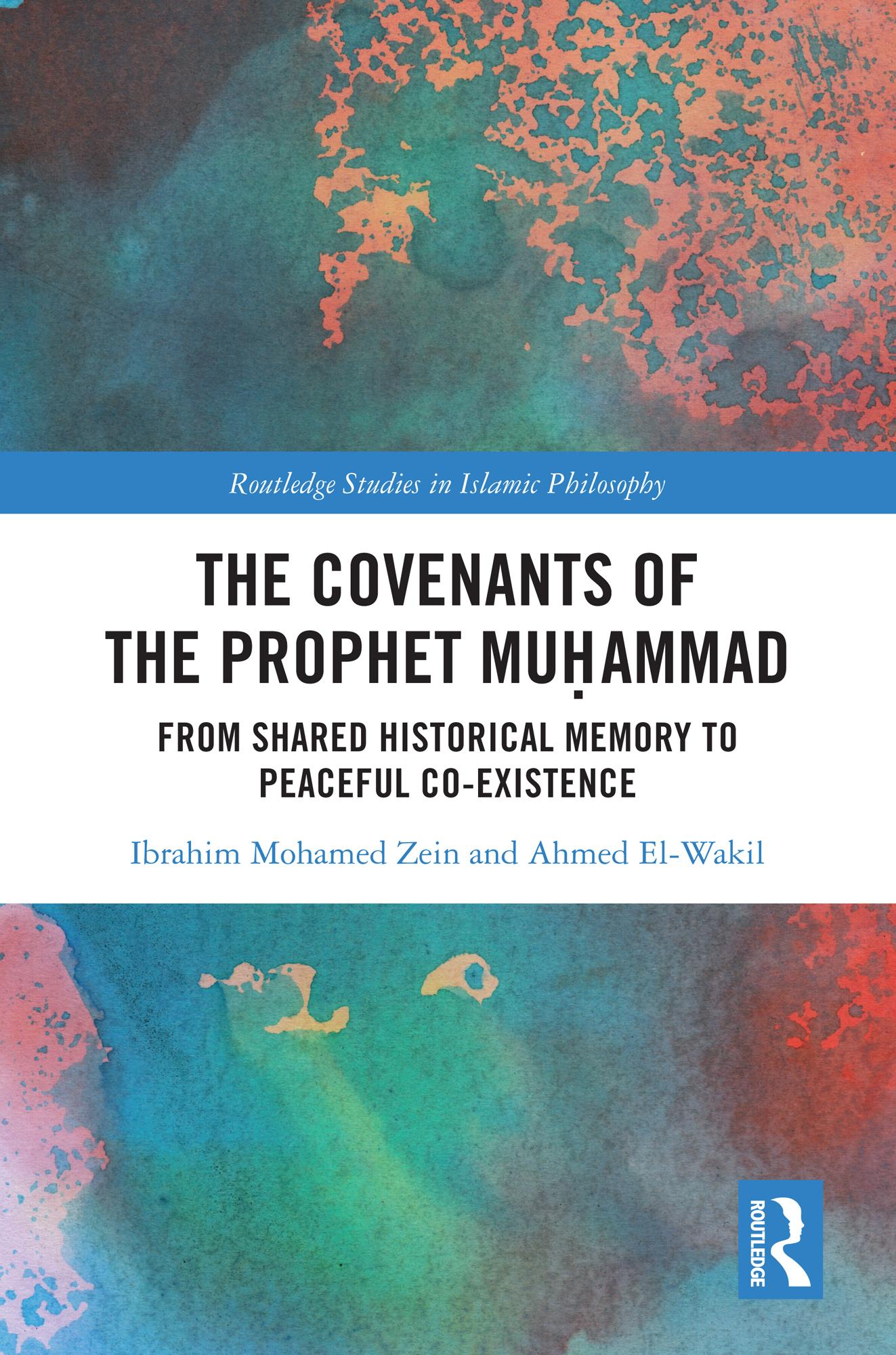
Through analysis of the Covenants of the Prophet Muḥammad, which pledge protection to diverse faith communities, this book makes a profoundly important contribution to research on early Islam by determining the Covenants’ historicity and textual accuracy.
The authors focus on the Prophet Muḥammad’s relationship with other faith communities by conducting detailed textual and linguistic analysis of documents which have received little scholarly consideration before. This not only includes decrees of the Prophet Muḥammad, ‘Umar ibn al-Khaṭṭāb, ‘Alī ibn Abī Ṭālib, and Mu‘āwiya ibn Abī Sufyān, but also of important Muslim rulers. They present their findings in relation to contemporaneous historical writings, historic testimonies, official recognition, archaeological evidence, historic scribal conventions, date-matching calculations, textual parallelisms, and references in Muslim and non-Muslim sources. They also provide new and revised translations of various Covenants issued by the Prophet Muḥammad which were attested by Muslim authorities after him. The authors argue that the claim of forgery is no longer tenable following the application of rigorous textual and historical analysis.
This book is essential reading for Muslims, Christians, Jews, Samaritans, and Zoroastrians, as well as anyone interested in interfaith relations, Islamophobia, extremist ideologies, security studies, and the relationship between Orthodox and Oriental Christianity with Islam.
Betal nemt med kort, Klarna, Apple Pay eller Google Pay. Ikke tilfreds? Du har altid 14 dages fortrydelsesret. Læs mere i vores vilkår. Har du spørgsmål, så send os en mail på hello@memmo.org.
Memmo gør det nemmere at studere – uanset hvor du er i verden. Hos os samler du dine kursusbøger og smarte studieværktøjer ét sted: resuméer, quizzer, podcasts og flashcards. Og så er der Ted, din studieven, der svarer på alt, du undrer dig over. Over 50 000 studerende studerer allerede her – bygget til at hjælpe dig med at lære hurtigere og stresse mindre.