
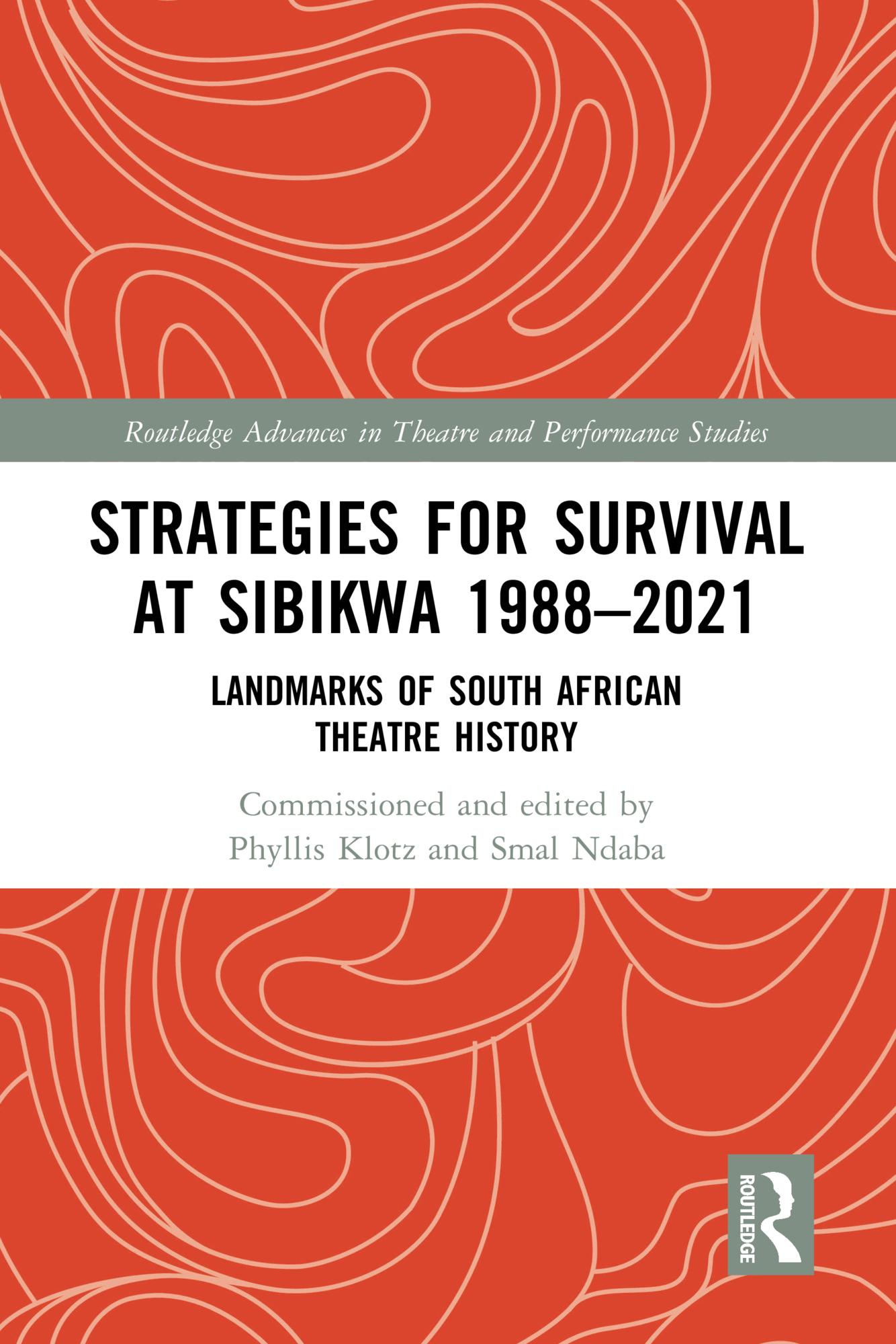
This book provides an engaging and contextualised insight into a South African township-based arts centre that has survived the vicissitudes of steady militarisation in townships during some of the worst years of apartheid as well as the exhilaration of a new democratic policy while attempting to circumnavigate different policies and funding dispensations.
Sibikwa provides arts centres across the world and especially those in decolonising countries with strategies for survival in tumultuous times. This multi-disciplinary book maps and co-ordinates wider historical, political, and social contextual concerns and events with matters specific to a community-based east of Johannesburg and provides an exploration and analysis by experts of authentic theatre-making and performance, dance, indigenous music, arts in education and NGO governance. It has contemporary significance and raises important questions regarding inclusivity and transformation, the function and future of arts centres, community-based applied arts practices, creativity, and international partnerships.
This study will be of great interest to students and scholars in theatre and performance, indigenous music, dance, and South African history.
Betal nemt med kort, Klarna, Apple Pay eller Google Pay. Ikke tilfreds? Du har altid 14 dages fortrydelsesret. Læs mere i vores vilkår. Har du spørgsmål, så send os en mail på hello@memmo.org.
Memmo gør det nemmere at studere – uanset hvor du er i verden. Hos os samler du dine kursusbøger og smarte studieværktøjer ét sted: resuméer, quizzer, podcasts og flashcards. Og så er der Ted, din studieven, der svarer på alt, du undrer dig over. Over 50 000 studerende studerer allerede her – bygget til at hjælpe dig med at lære hurtigere og stresse mindre.