
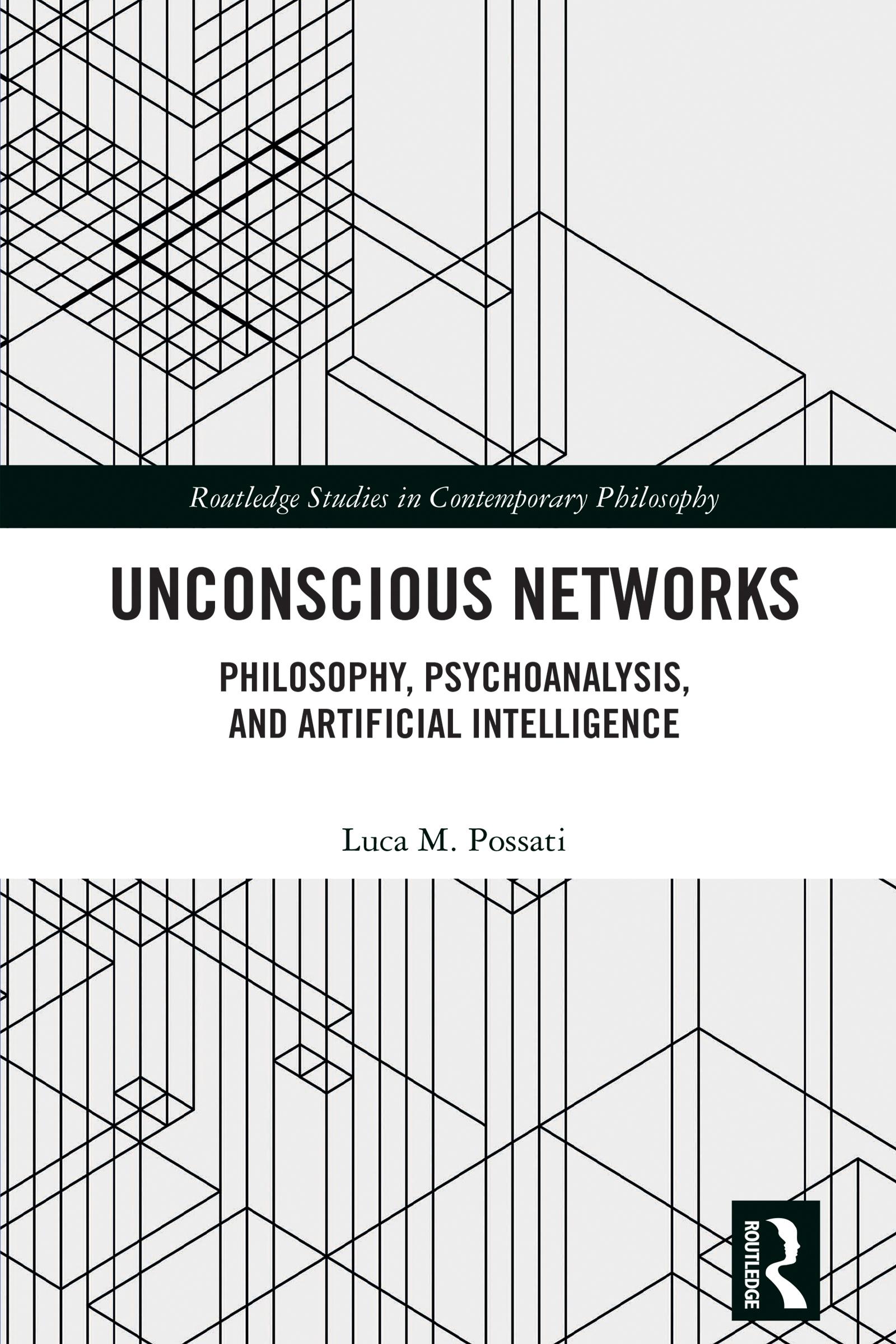
This book develops an original theoretical framework for understanding human-technology relations. The author’s approach, which he calls technoanalysis, analyzes artificial intelligence based on Freudian psychoanalysis, biosemiotics, and Latour’s actor-network theory.
How can we communicate with AI to determine shared values and objectives? And what, ultimately, do we want from machines? These are crucial questions in our world, where the influence of AI-based technologies is rapidly growing. Unconscious dynamics influence AI and digital technology and understanding them is essential to better controlling AI systems. This book’s unique methodology— which combines psychoanalysis, biosemiotics, and actor-network theory—reveals a radical reformulation of the problem of the human mind. Technoanalysis views the mind as a hybrid network of humans and nonhuman actants in constant interaction with one another. The author argues that human unconscious dynamics influence and shape technology, just as technology influences and shapes human unconscious dynamics. He proceeds to show how this conception of the relationship between the unconscious and technology can be applied to social robotics and AI.
Unconscious Networks will appeal to scholars and advanced students interested in philosophy of technology, philosophy of artificial intelligence, psychoanalysis, and science and technology studies.
Betal nemt med kort, Klarna, Apple Pay eller Google Pay. Ikke tilfreds? Du har altid 14 dages fortrydelsesret. Læs mere i vores vilkår. Har du spørgsmål, så send os en mail på hello@memmo.org.
Memmo gør det nemmere at studere – uanset hvor du er i verden. Hos os samler du dine kursusbøger og smarte studieværktøjer ét sted: resuméer, quizzer, podcasts og flashcards. Og så er der Ted, din studieven, der svarer på alt, du undrer dig over. Over 50 000 studerende studerer allerede her – bygget til at hjælpe dig med at lære hurtigere og stresse mindre.