
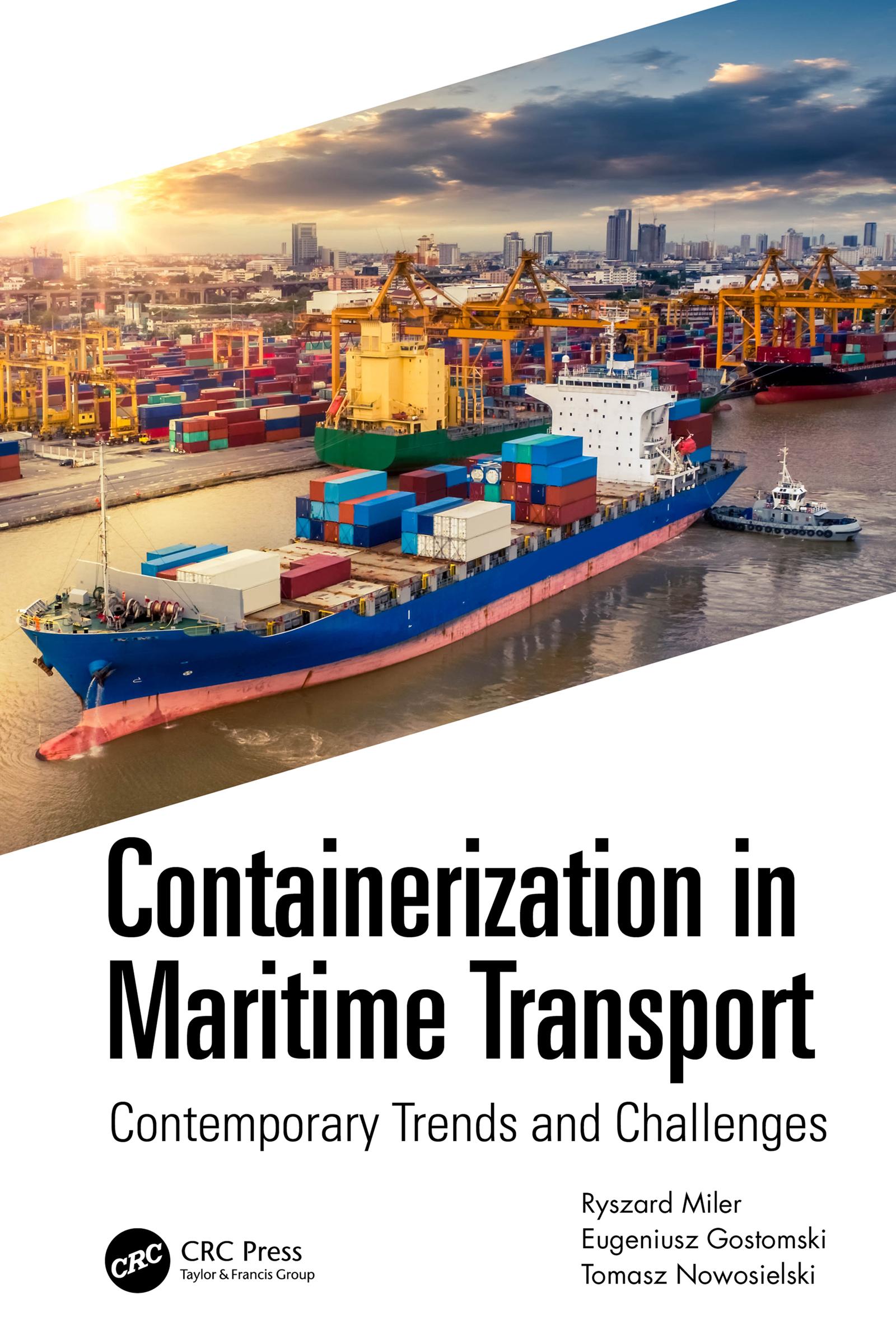
Containerization provides optimization of handling processes in terms of intermodality and efficient cargo handling, and maritime transport, in particular, it provides further optimization of shipping processes in terms of volume and distance. Containerization has become the most significant factor stimulating the development of modern global trade. With the progress of globalization taken into account (longer distances and increasing cargo volumes), it can be seen that cargo becomes predestined to be transported by sea, which encourages ship owners to enlarge their fleets of container ships. Containerization in Maritime Transport: Contemporary Trends and Challenges addresses the key challenges to maritime transport and containerization, beginning with economic and managerial factors, through organizational, technical, operational, information and IT challenges, and ending with ecological challenges—ideally to lessen the environmental impacts of maritime transport.
Features:
- Discusses the latest technological advances in shipping, including augmented reality (AR), virtual reality (VR), artificial intelligence (AI), 5G networks, smart camera and computer vision systems, and digital twin technology.
- Presents ecological considerations and solutions that are indispensable to develop efficient and safe green supply chains.
- Examines the economic aspects of shipping with regard to transport and container handling costs in international trade.
Betal nemt med kort, Klarna, Apple Pay eller Google Pay. Ikke tilfreds? Du har altid 14 dages fortrydelsesret. Læs mere i vores vilkår. Har du spørgsmål, så send os en mail på hello@memmo.org.
Memmo gør det nemmere at studere – uanset hvor du er i verden. Hos os samler du dine kursusbøger og smarte studieværktøjer ét sted: resuméer, quizzer, podcasts og flashcards. Og så er der Ted, din studieven, der svarer på alt, du undrer dig over. Over 50 000 studerende studerer allerede her – bygget til at hjælpe dig med at lære hurtigere og stresse mindre.