
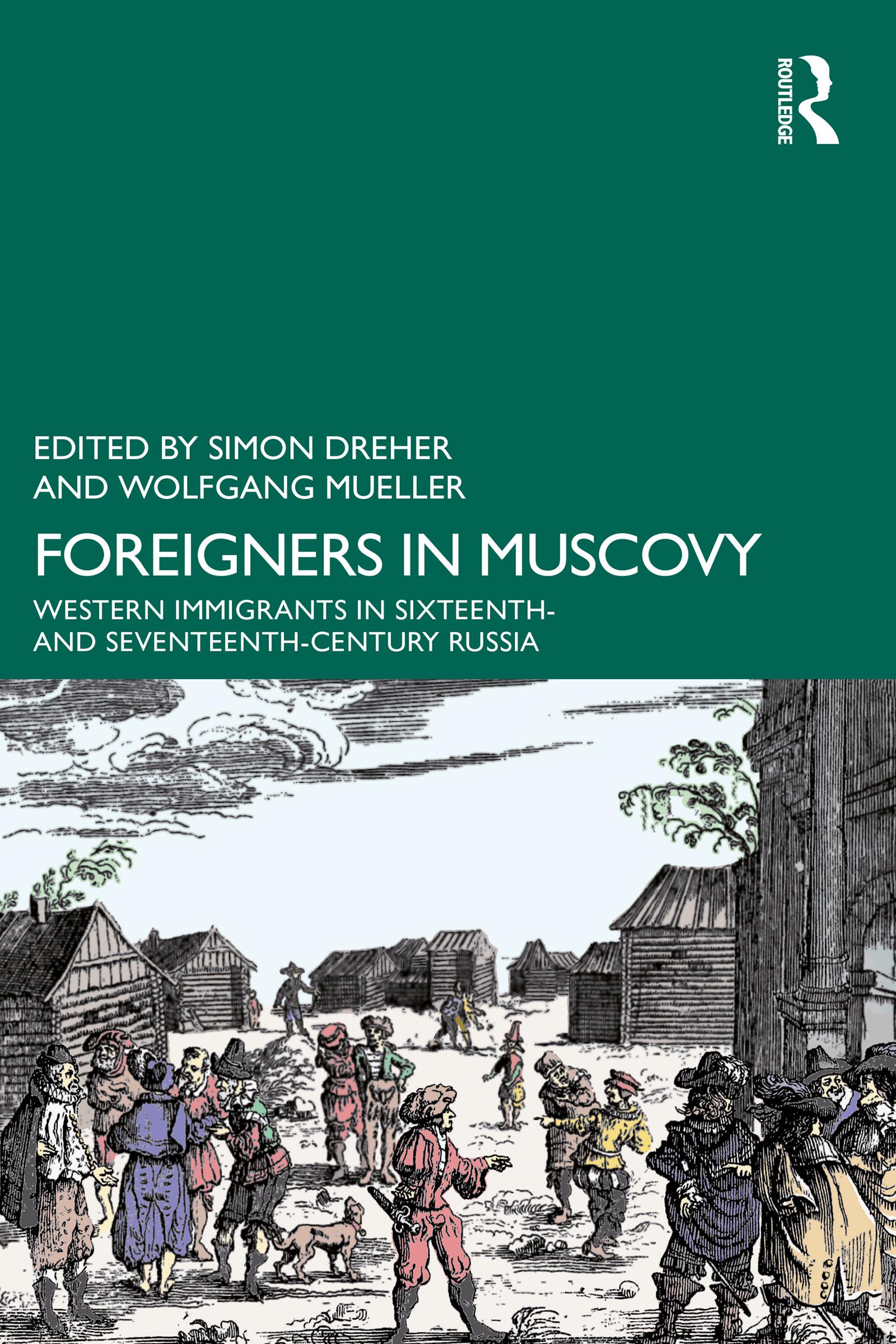
Between the late fifteenth and early eighteenth centuries, the State of Muscovy emerged from being a rather homogenous Russian-speaking and Orthodox medieval principality to becoming a multi-ethnic and multi-religious empire. Not only the conquest of the neighbouring Tatar Khanates and the colonisation of Siberia demanded the integration of non-Christian populations into the Russian state. The ethnic composition of the capital and other towns also changed due to Muscovite policies of recruiting soldiers, officers, and specialists from various European countries, as well as the accommodation of merchants and the resettlement of war prisoners and civilians from annexed territories. The presence of foreign immigrants was accompanied by controversy and conflicts, which demanded adaptations not only in the Muscovite legal, fiscal, and economic systems but also in the everyday life of both native citizens and immigrants.
This book combines two major research fields on international relations in the State of Muscovy: the migration, settlement, and integration of Western Europeans, and Russian and European perceptions of the respective "other".
Foreigners in Muscovy will appeal to researchers and students interested in the history and social makeup of Muscovy and in European–Russian relations during the early modern era.
Betal nemt med kort, Klarna, Apple Pay eller Google Pay. Ikke tilfreds? Du har altid 14 dages fortrydelsesret. Læs mere i vores vilkår. Har du spørgsmål, så send os en mail på hello@memmo.org.
Memmo gør det nemmere at studere – uanset hvor du er i verden. Hos os samler du dine kursusbøger og smarte studieværktøjer ét sted: resuméer, quizzer, podcasts og flashcards. Og så er der Ted, din studieven, der svarer på alt, du undrer dig over. Over 50 000 studerende studerer allerede her – bygget til at hjælpe dig med at lære hurtigere og stresse mindre.