
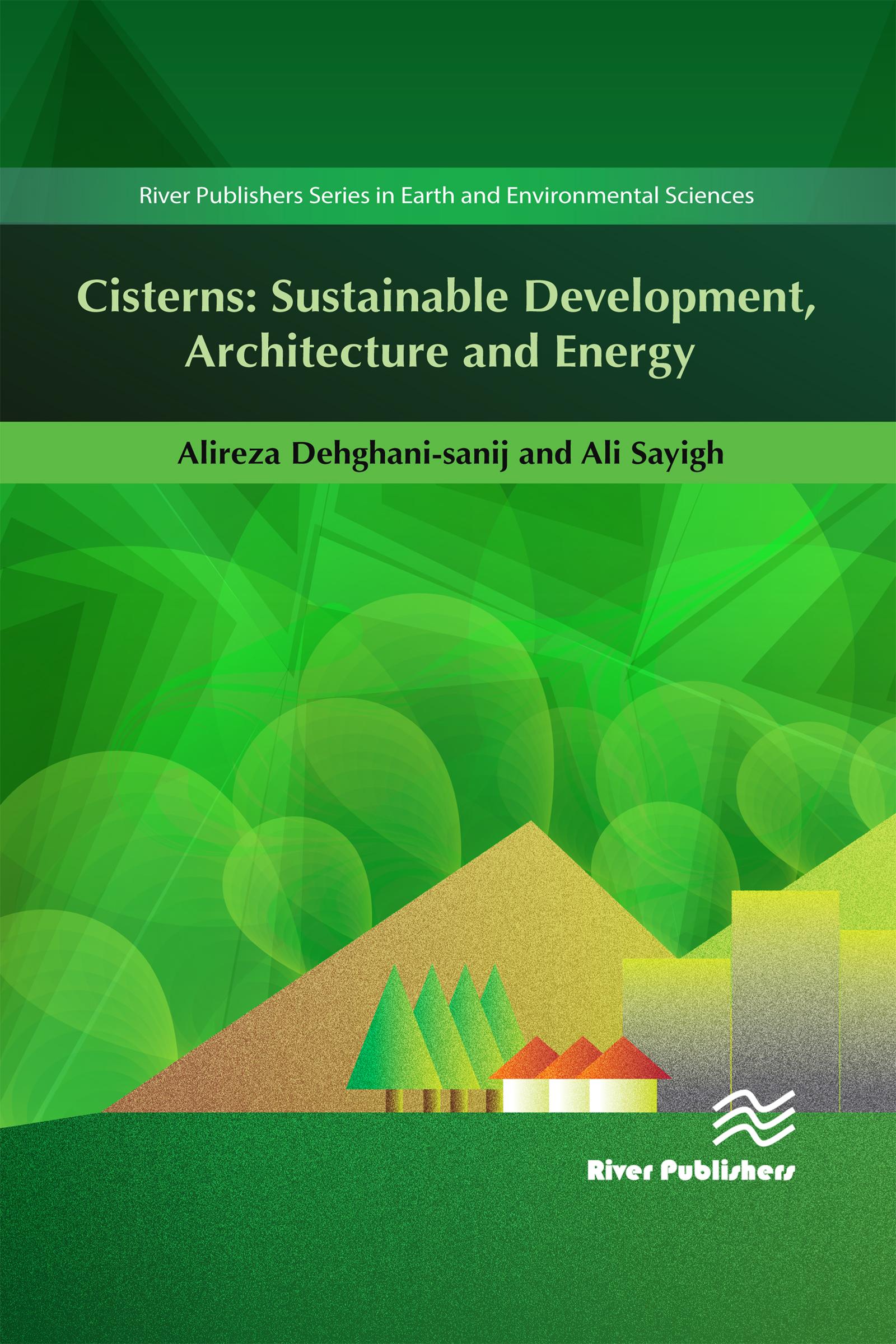
Cisterns: Sustainable Development, Architecture and Energy was written on beliefs that based on historical evidence and actual findings, Iran is most probably the country where cisterns, or Aub-anbars in Farsi, were first developed and built. Therefore, it is quite natural for the author to name cisterns in the text Aub-anbars, as it has been called for centuries in this country, the translation of the same name having been used in other countries too. Although in some books, journals and papers published out of Iran by foreign and Iranian scholars, the names Cistern or Water Reservoir have been used. The word Aub-anbar is a compound noun in Farsi; Aub means water and Anbar means tank/reservoir. Putting them together gives the noun Aub-anbarand it should be used as one word.People of the region wanting reserved cool water whether in cities or in different locations across the harsh desert during their travel. Queen Zubeida, the wife of Khalifa Haroon Al-Rasheed in 750 AD built one of these cistern closer to the town of Hiyal in Saudi Arabia so that the Pilgrims? Caravans going to Mecca will have cool, fresh water. This book consists of 11-chapters with full analysis, illustrations and photographs. It makes interesting readings to those interested into vernacular architecture, traditional buildings and creative thinking.
Betal nemt med kort, Klarna, Apple Pay eller Google Pay. Ikke tilfreds? Du har altid 14 dages fortrydelsesret. Læs mere i vores vilkår. Har du spørgsmål, så send os en mail på hello@memmo.org.
Memmo gør det nemmere at studere – uanset hvor du er i verden. Hos os samler du dine kursusbøger og smarte studieværktøjer ét sted: resuméer, quizzer, podcasts og flashcards. Og så er der Ted, din studieven, der svarer på alt, du undrer dig over. Over 50 000 studerende studerer allerede her – bygget til at hjælpe dig med at lære hurtigere og stresse mindre.
Du kan måske også lide
Køb bogen0