
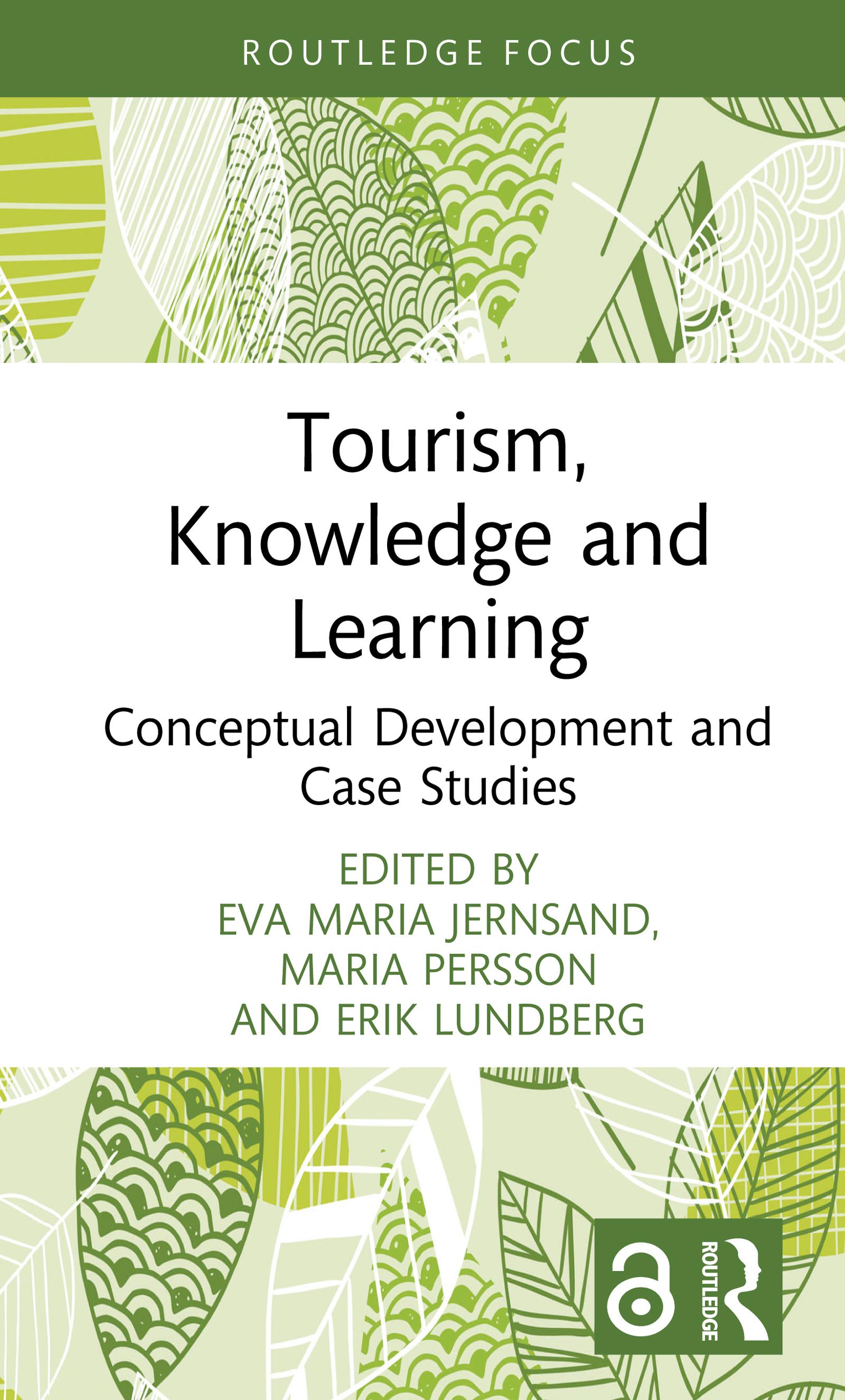
This book contributes to the understanding of how tourism can be designed to provide conditions for learning. This involves learning for tourists, the tourist industry, public authorities and local communities. We explore how tourism, knowledge and learning can be used as means towards sustainable development through current, new or changed structures, concepts, activities and communication efforts. The book should be seen as both an inspiration for tourism actors (e.g. tourism attractions, policy makers and other industry actors), and a scholarly contribution to further research. A holistic approach distinguishes this book from most existing literature that focuses on separate units of tourism, for instance, personal or community well-being, nature-based tourism, cultural heritage tourism or tourism that is a result of researchers’ travels (so-called scientific tourism). The various contributors to the book provide a range of perspectives and experiences, from social sciences with a focus on marketing, innovation management, human geography and environmental law, to arts and humanities with a focus on heritage studies, archaeology and photography, and, finally, to natural sciences with a focus on marine sciences.
The Open Access version of this book, available at www.taylorfrancis.com, has been made available under a Creative Commons Attribution-Non Commercial-No Derivatives 4.0 license
Betal nemt med kort, Klarna, Apple Pay eller Google Pay. Ikke tilfreds? Du har altid 14 dages fortrydelsesret. Læs mere i vores vilkår. Har du spørgsmål, så send os en mail på hello@memmo.org.
Memmo gør det nemmere at studere – uanset hvor du er i verden. Hos os samler du dine kursusbøger og smarte studieværktøjer ét sted: resuméer, quizzer, podcasts og flashcards. Og så er der Ted, din studieven, der svarer på alt, du undrer dig over. Over 50 000 studerende studerer allerede her – bygget til at hjælpe dig med at lære hurtigere og stresse mindre.