
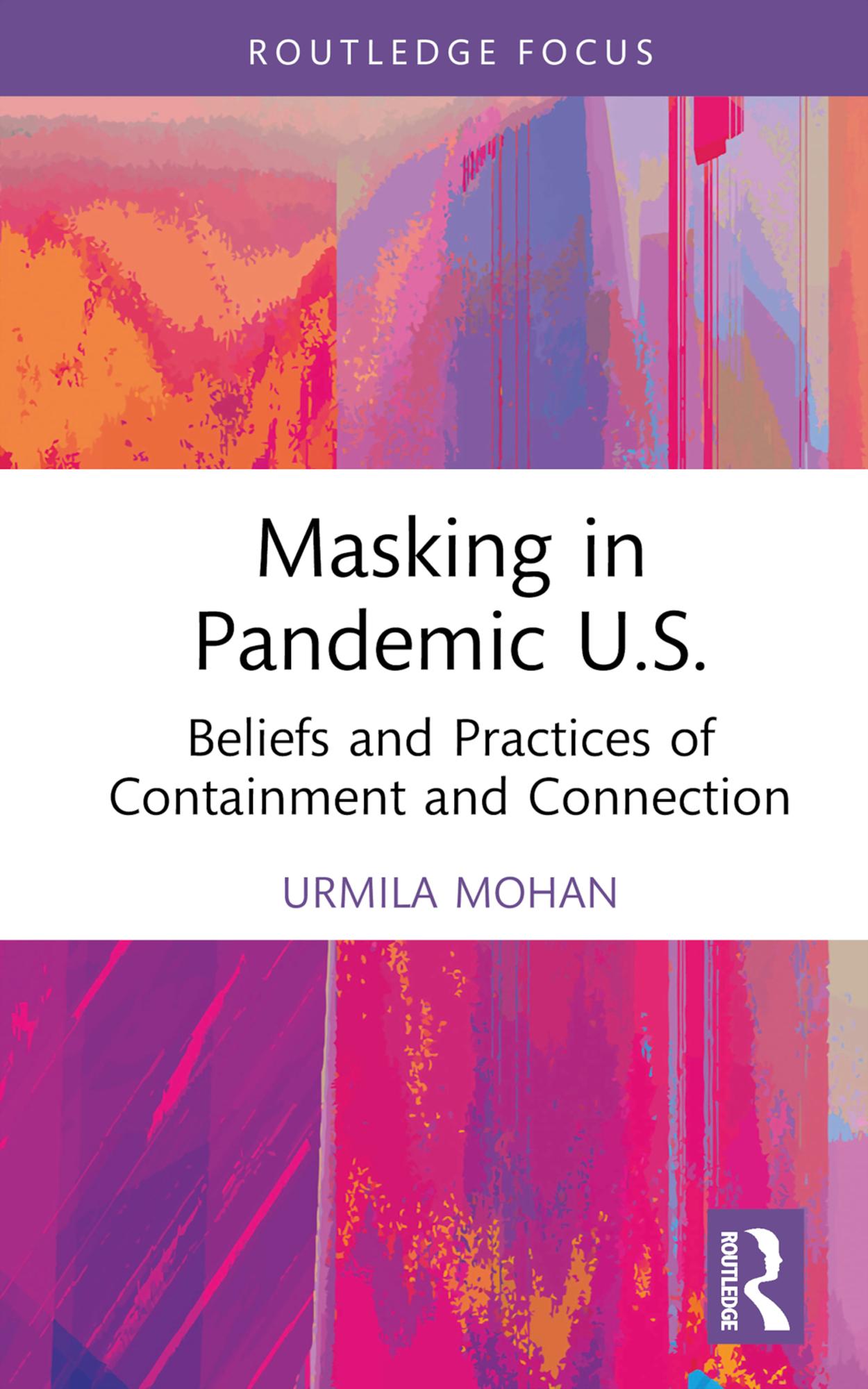
This anthropological study explores the beliefs and practices that emerged around masking in the U.S. during the COVID-19 pandemic. Americans responded to this illness as unique subjects navigating the flux of social and corporeal boundaries, supporting certain beliefs and acting to shape them as compelling realities. Debates over health and safety mandates indicated that responses were fractured with varied subjectivities in play—people lived in different worlds and bodies were central in conflicts over breathing, masking and social distancing. Contrasting approaches to practices marked the limits and possibilities of imaginaries, signaling differences and similarities between groups, and how actions could be passageways between people and possibilities. During a time of uncertainty and loss, the "efficacious intimacy" of bodies and materials embedded beliefs, values, and emotions of care in mask sewing and usage. By exploring these practices, the author reflects on how American subjects became relational selves and sustained response-able communities, helping people protect each other from mutating viruses as well as moving forward in a shifting terrain of intimacy and distance, connection, and containment.
Betal nemt med kort, Klarna, Apple Pay eller Google Pay. Ikke tilfreds? Du har altid 14 dages fortrydelsesret. Læs mere i vores vilkår. Har du spørgsmål, så send os en mail på hello@memmo.org.
Memmo gør det nemmere at studere – uanset hvor du er i verden. Hos os samler du dine kursusbøger og smarte studieværktøjer ét sted: resuméer, quizzer, podcasts og flashcards. Og så er der Ted, din studieven, der svarer på alt, du undrer dig over. Over 50 000 studerende studerer allerede her – bygget til at hjælpe dig med at lære hurtigere og stresse mindre.