
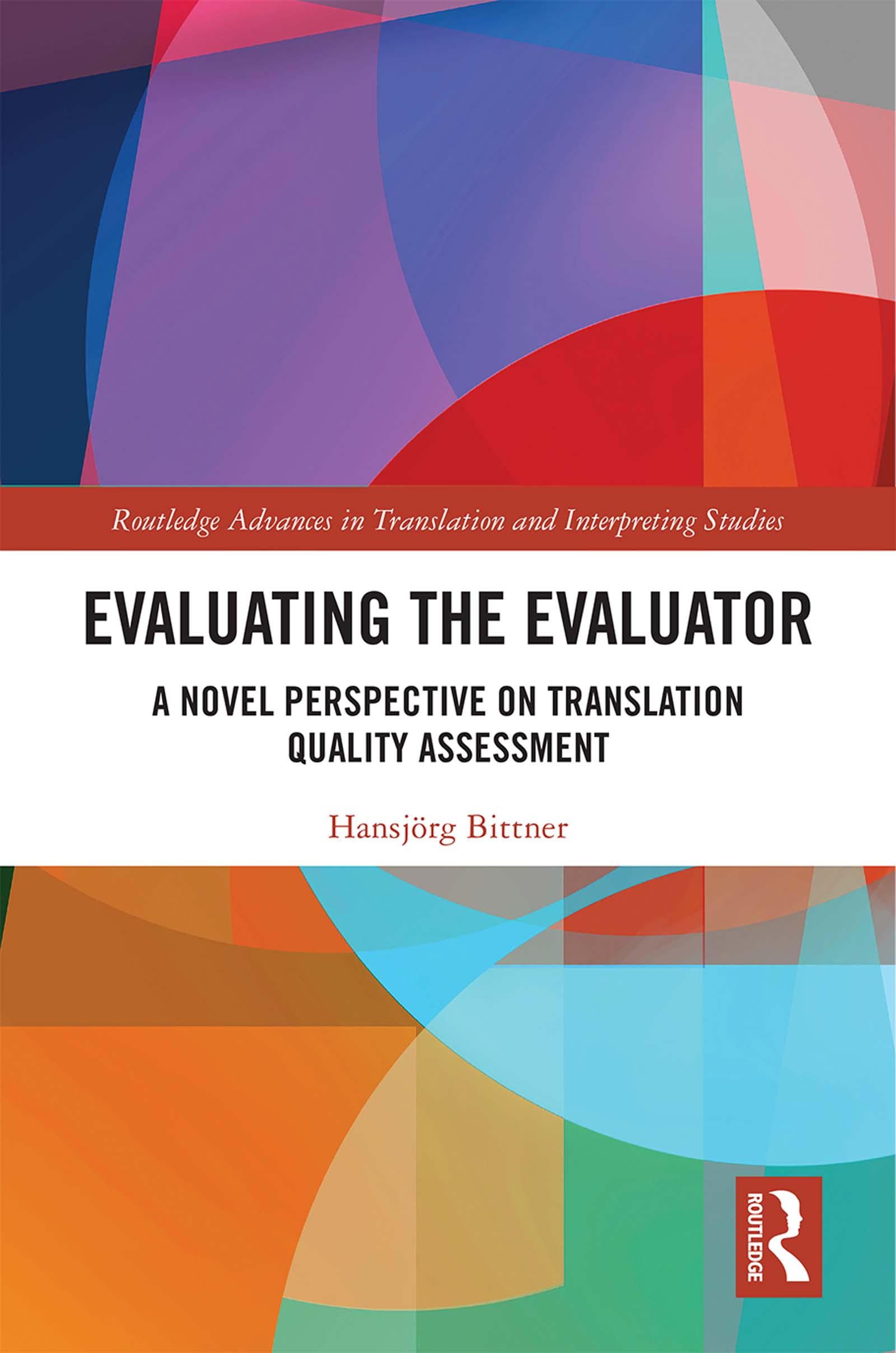
This book offers a theoretical framework for assessing translation quality grounded in supportive argumentation. The volume outlines a systematic framework for translators and translation critics to substantiate their decisions and judgments on a translation’s quality and in the case of negative criticism, put forward a more effective translation solution. The book traces the decision-making process underpinning translation practice, considering the different factors surrounding a particular translation to inform the most appropriate translation strategy, such as the temporal and geographical relationship between source and target texts, special provisions required by clients, timeframe, qualifications, and sociocultural and political issues. The framework posits that such factors should underpin any arguments used by the translator in adopting a given strategy and in turn, that any criticism of a translation’s quality must be in line with the same argumentative structure. Applied to a corpus of translation examiners’ reports of translation, the book demonstrates how this framework can act as a tool to be scaled to fit the needs of the different actors of a translation – translators, critics, and scholars. This book will be of interest to scholars in translation studies and practicing translators.
Betal nemt med kort, Klarna, Apple Pay eller Google Pay. Ikke tilfreds? Du har altid 14 dages fortrydelsesret. Læs mere i vores vilkår. Har du spørgsmål, så send os en mail på hello@memmo.org.
Memmo gør det nemmere at studere – uanset hvor du er i verden. Hos os samler du dine kursusbøger og smarte studieværktøjer ét sted: resuméer, quizzer, podcasts og flashcards. Og så er der Ted, din studieven, der svarer på alt, du undrer dig over. Over 50 000 studerende studerer allerede her – bygget til at hjælpe dig med at lære hurtigere og stresse mindre.
Du kan måske også lide
Køb bogen0