
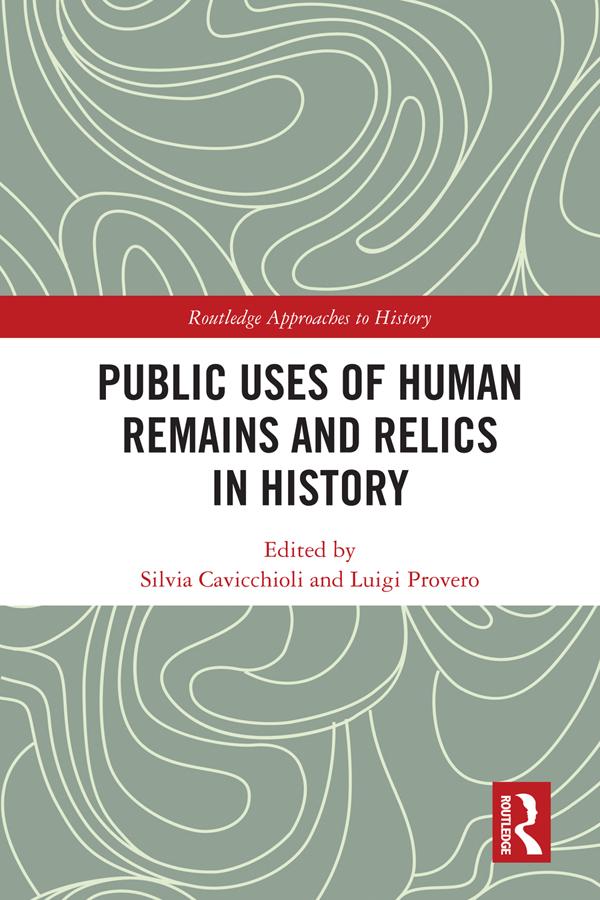
The principal theme of this volume is the importance of the public use of human remains in a historical perspective. The book presents a series of case studies aimed at offering historiographical and methodological reflections and providing interpretative approaches highlighting how, through the ages and with a succession of complex practices and uses, human remains have been imbued with a plurality of meanings. Covering a period running from late antiquity to the present day, the contributions are the combined results of multidisciplinary research pertaining to the realities of the Italian peninsula, hitherto not investigated with a long-term and multidisciplinary historical perspective.
From the relics of great men to the remains of patriots, and from anatomical specimens to the skeletons of the saints: through these case studies the scholars involved have investigated a wide range of human remains (real or reputed) and of meanings attributed to them, in order to decipher their function over the centuries. In doing so, they have traversed the interpretative boundaries of political history, religious history and the history of science, as required by questions aimed at integrating the anthropological, social and cultural aspects of a complex subject.
Betal nemt med kort, Klarna, Apple Pay eller Google Pay. Ikke tilfreds? Du har altid 14 dages fortrydelsesret. Læs mere i vores vilkår. Har du spørgsmål, så send os en mail på hello@memmo.org.
Memmo gør det nemmere at studere – uanset hvor du er i verden. Hos os samler du dine kursusbøger og smarte studieværktøjer ét sted: resuméer, quizzer, podcasts og flashcards. Og så er der Ted, din studieven, der svarer på alt, du undrer dig over. Over 50 000 studerende studerer allerede her – bygget til at hjælpe dig med at lære hurtigere og stresse mindre.