
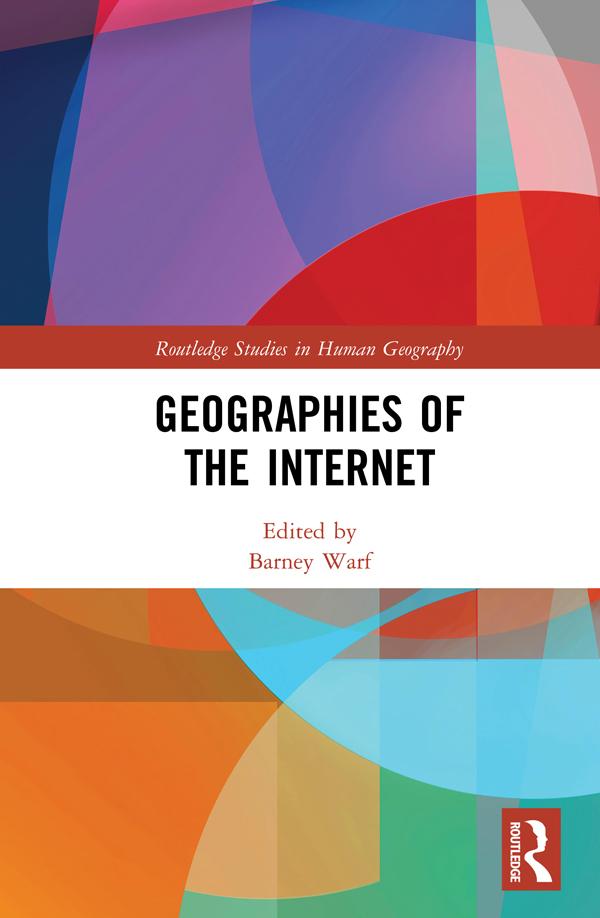
This book offers a comprehensive overview of recent research on the internet, emphasizing its spatial dimensions, geospatial applications, and the numerous social and geographic implications such as the digital divide and the mobile internet.
Written by leading scholars in the field, the book sheds light on the origins and the multiple facets of the internet. It addresses the various definitions of cyberspace and the rise of the World Wide Web, draws upon media theory, as well as explores the physical infrastructure such as the global skein of fibre optics networks and broadband connectivity. Several economic dimensions, such as e-commerce, e-tailing, e-finance, e-government, and e-tourism, are also explored. Apart from its most common uses such as Google Earth, social media like Twitter, and neogeography, this volume also presents the internet’s novel uses for ethnographic research and the study of digital diasporas.
Illustrated with numerous graphics, maps, and charts, the book will best serve as supplementary reading for academics, students, researchers, and as a professional handbook for policy makers involved in communications, media, retailing, and economic development.
Betal nemt med kort, Klarna, Apple Pay eller Google Pay. Ikke tilfreds? Du har altid 14 dages fortrydelsesret. Læs mere i vores vilkår. Har du spørgsmål, så send os en mail på hello@memmo.org.
Memmo gør det nemmere at studere – uanset hvor du er i verden. Hos os samler du dine kursusbøger og smarte studieværktøjer ét sted: resuméer, quizzer, podcasts og flashcards. Og så er der Ted, din studieven, der svarer på alt, du undrer dig over. Over 50 000 studerende studerer allerede her – bygget til at hjælpe dig med at lære hurtigere og stresse mindre.