
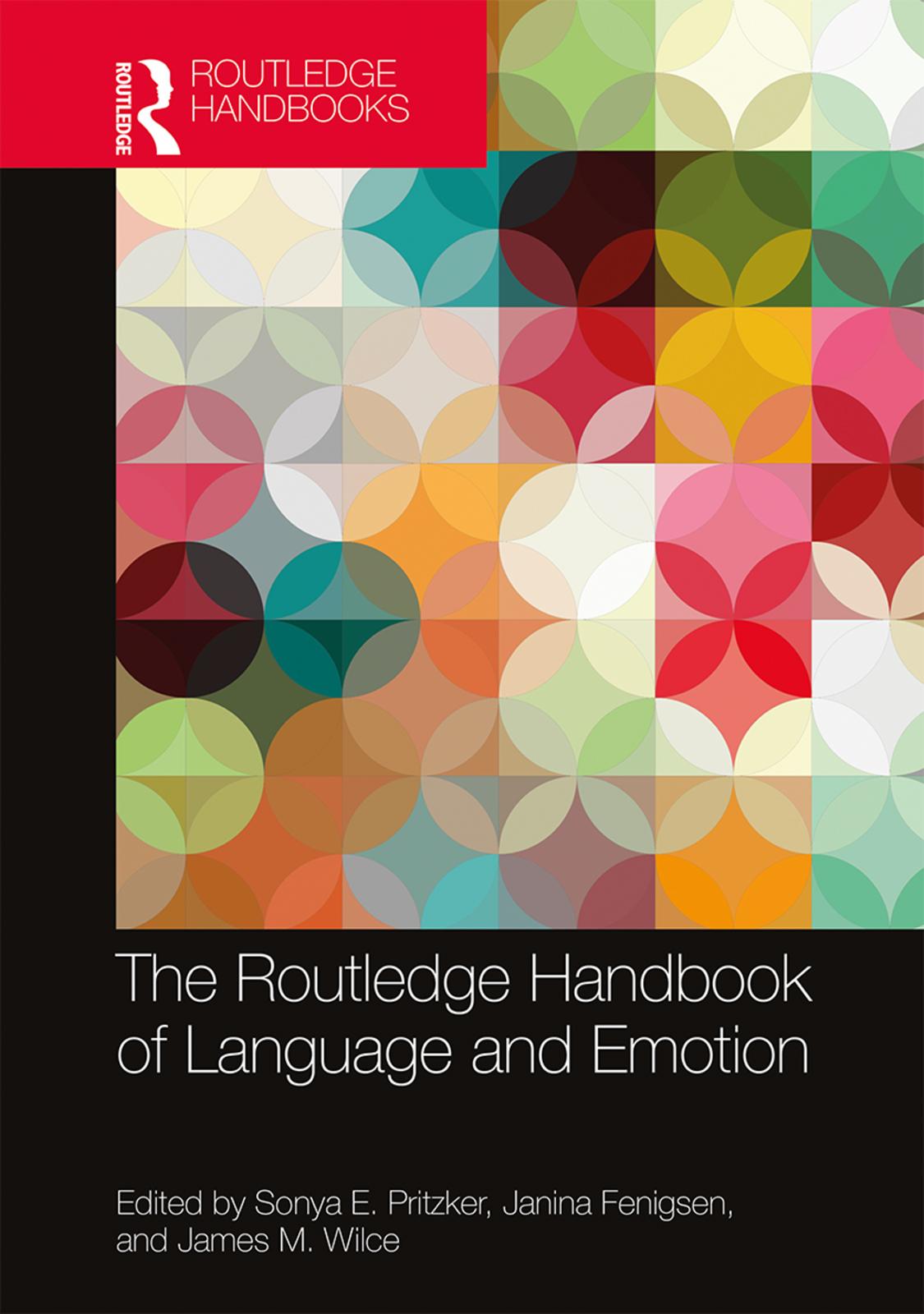
The Routledge Handbook of Language and Emotion offers a variety of critical theoretical and methodological perspectives that interrogate the ways in which ideas about and experiences of emotion are shaped by linguistic encounters, and vice versa. Taking an interdisciplinary approach which incorporates disciplines such as linguistic anthropology, sociolinguistics, applied linguistics, psychology, communication studies, education, sociology, folklore, religious studies, and literature, this book:
- explores and illustrates the relationship between language and emotion in the five key areas of language socialisation; culture, translation and transformation; poetry, pragmatics and power; the affective body-self; and emotion communities;
- situates our present-day thinking about language and emotion by providing a historical and cultural overview of distinctions and moral values that have traditionally dominated Western thought relating to emotions and their management;
- provides a unique insight into the multiple ways in which language incites emotion, and vice versa, especially in the context of culture.
With contributions from an international range of leading and emerging scholars in their fields, The Routledge Handbook of Language and Emotion is an indispensable resource for students and researchers who are interested in incorporating interdisciplinary perspectives on language and emotion into their work.
Betal nemt med kort, Klarna, Apple Pay eller Google Pay. Ikke tilfreds? Du har altid 14 dages fortrydelsesret. Læs mere i vores vilkår. Har du spørgsmål, så send os en mail på hello@memmo.org.
Memmo gør det nemmere at studere – uanset hvor du er i verden. Hos os samler du dine kursusbøger og smarte studieværktøjer ét sted: resuméer, quizzer, podcasts og flashcards. Og så er der Ted, din studieven, der svarer på alt, du undrer dig over. Over 50 000 studerende studerer allerede her – bygget til at hjælpe dig med at lære hurtigere og stresse mindre.