
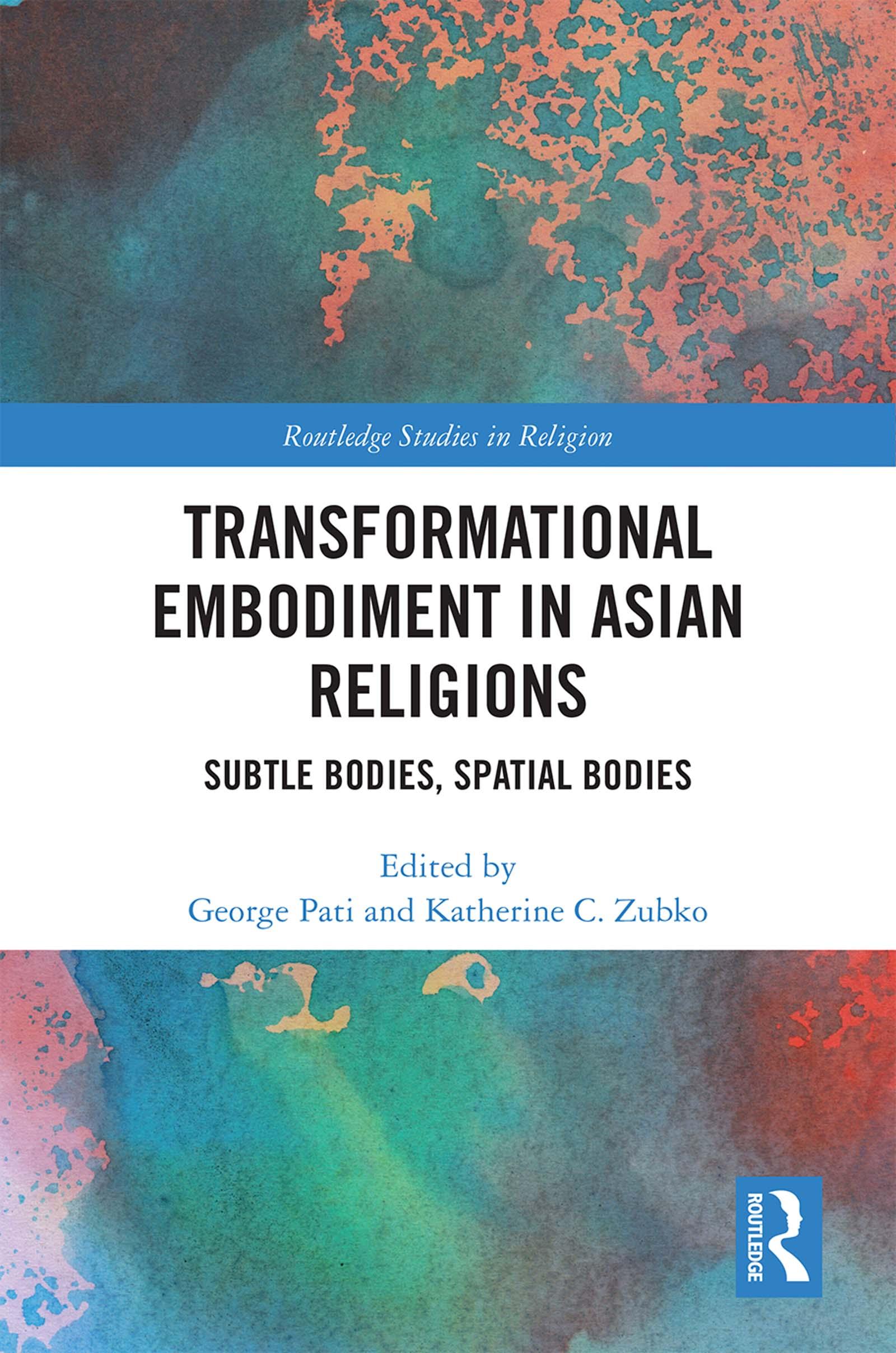
This volume examines several theoretical concerns of embodiment in the context of Asian religious practice. Looking at both subtle and spatial bodies, it explores how both types of embodiment are engaged as sites for transformation, transaction and transgression.
Collectively bridging ancient and modern conceptualizations of embodiment in religious practice, the book offers a complex mapping of how body is defined. It revisits more traditional, mystical religious systems, including Hindu Tantra and Yoga, Tibetan Buddhism, Bon, Chinese Daoism and Persian Sufism and distinctively juxtaposes these inquiries alongside analyses of racial, gendered, and colonized bodies. Such a multifaceted subject requires a diverse approach, and so perspectives from phenomenology and neuroscience as well as critical race theory and feminist theology are utilised to create more precise analytical tools for the scholarly engagement of embodied religious epistemologies.
This a nuanced and interdisciplinary exploration of the myriad issues around bodies within religion. As such it will be a key resource for any scholar of Religious Studies, Asian Studies, Anthropology, Sociology, Philosophy, and Gender Studies.
Betal nemt med kort, Klarna, Apple Pay eller Google Pay. Ikke tilfreds? Du har altid 14 dages fortrydelsesret. Læs mere i vores vilkår. Har du spørgsmål, så send os en mail på hello@memmo.org.
Memmo gør det nemmere at studere – uanset hvor du er i verden. Hos os samler du dine kursusbøger og smarte studieværktøjer ét sted: resuméer, quizzer, podcasts og flashcards. Og så er der Ted, din studieven, der svarer på alt, du undrer dig over. Over 50 000 studerende studerer allerede her – bygget til at hjælpe dig med at lære hurtigere og stresse mindre.