
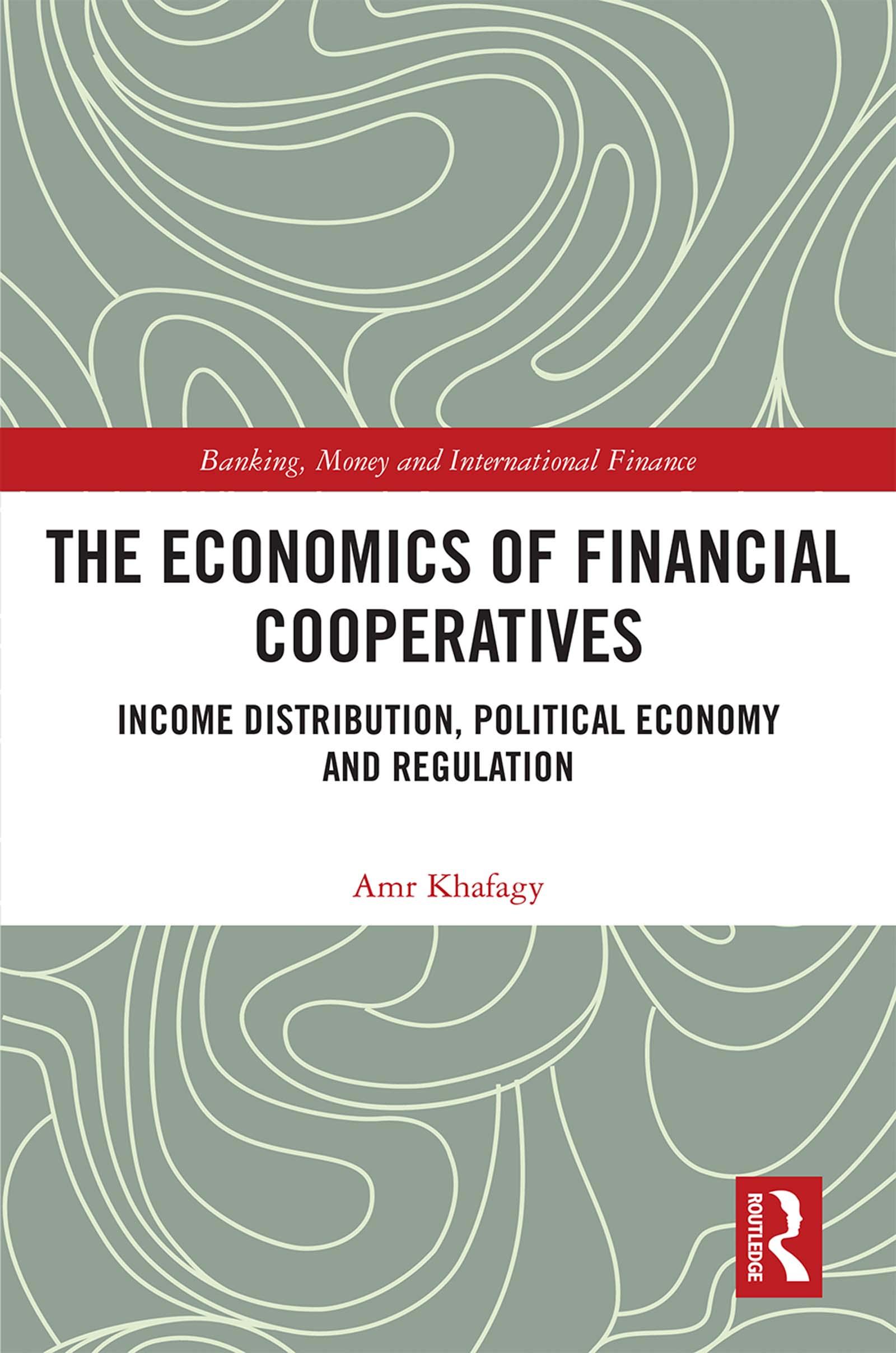
Building on theories of finance and distribution, and the political economy of finance, this book explains the influence of financial cooperatives on wealth and income distribution, and institutional factors that determine the development of financial cooperatives. The book discusses the dynamics of income and wealth distribution with and without financial cooperatives, and defines the economic objective for financial cooperatives. Through explaining the influence of political institutions and regulations on the development of financial cooperatives, this book examines why financial cooperatives grew in some emerging economies and not in other similar ones.
The book is of interest to scholars interested in financial economics, political economy of finance, alternative banking and development finance, and banking regulation. The book also gives valuable output to central bankers and financial and monetary policy makers in underdeveloped economies. In addition, it will be of particular interest to practitioners in international development institutions, especially those engaged in development finance and rural finance.
Betal nemt med kort, Klarna, Apple Pay eller Google Pay. Ikke tilfreds? Du har altid 14 dages fortrydelsesret. Læs mere i vores vilkår. Har du spørgsmål, så send os en mail på hello@memmo.org.
Memmo gør det nemmere at studere – uanset hvor du er i verden. Hos os samler du dine kursusbøger og smarte studieværktøjer ét sted: resuméer, quizzer, podcasts og flashcards. Og så er der Ted, din studieven, der svarer på alt, du undrer dig over. Over 50 000 studerende studerer allerede her – bygget til at hjælpe dig med at lære hurtigere og stresse mindre.