
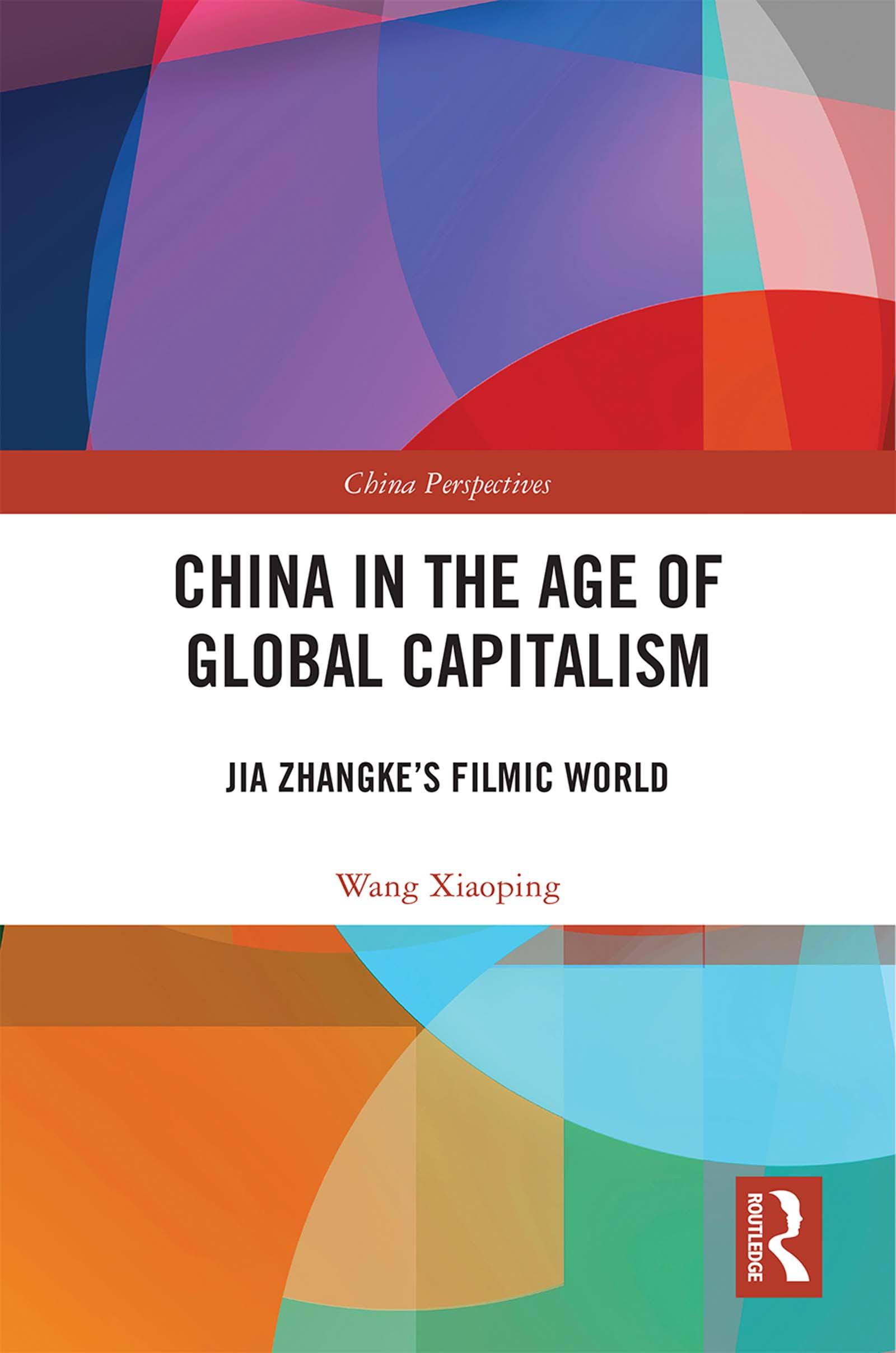
Jia Zhangke is praised as “the most internationally prominent and celebrated figure of the Six-Generation of Chinese filmmakers”. This book provides an examination the content and forms of Jia’s featured films and analyzes their merits and faults.
Jia’s films often narrate the lives of ordinary Chinese people against the backdrop of the political-economic changes. The author conducts an in-depth analysis of how this change have ferociously impinged upon the characters’ living conditions since China integrated itself with the world economy in the high tide of accelerated globalization since the 1970s. The author focuses on discussing the “politics of dignity” expressed by Jia’s allegorical renditions to explore the director’s political unconsciousness and cultural-political notions.
This book maps ten of Jia Zhangke’s films onto three major themes: Jia’s filmmaking and China in the market society; truth claims and political unconscious; “post-socialist modernity” in the age of globalization. This book will be of interest to students and scholars of Chinese film studies, as well as other disciplines, such as political science, sociology, anthropology, etc.
Betal nemt med kort, Klarna, Apple Pay eller Google Pay. Ikke tilfreds? Du har altid 14 dages fortrydelsesret. Læs mere i vores vilkår. Har du spørgsmål, så send os en mail på hello@memmo.org.
Memmo gør det nemmere at studere – uanset hvor du er i verden. Hos os samler du dine kursusbøger og smarte studieværktøjer ét sted: resuméer, quizzer, podcasts og flashcards. Og så er der Ted, din studieven, der svarer på alt, du undrer dig over. Over 50 000 studerende studerer allerede her – bygget til at hjælpe dig med at lære hurtigere og stresse mindre.