
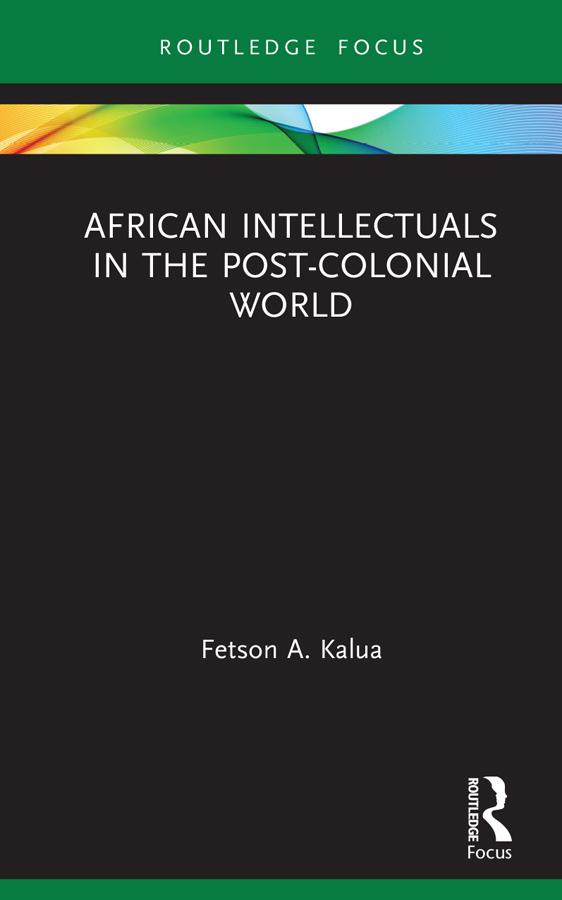
This book examines the role of African intellectuals in the years since the end of colonialism, studying the contribution that has been made by such individuals, both to political causes and to development within Africa.
Studying the concept of the "intellectual" within an African context, this book explores the responses of such individuals to crucial issues, such as cultural identity and knowledge production. The author argues that since the end of colonialism in Africa, various, often intertwining, factors, such as nationalism and co-option, have been used by black politicians or the political elites to muddle the roles and functions of black African intellectuals. Focusing on these confused roles and functions, the book posits that, over the years, most intellectuals in Africa have found the practice of "cheerleading" for a political cause more productive than making valuable contributions towards dynamic and progressive leadership in their countries.
This book will be of interest to students and scholars of African studies, politics, and development studies.
Betal nemt med kort, Klarna, Apple Pay eller Google Pay. Ikke tilfreds? Du har altid 14 dages fortrydelsesret. Læs mere i vores vilkår. Har du spørgsmål, så send os en mail på hello@memmo.org.
Memmo gør det nemmere at studere – uanset hvor du er i verden. Hos os samler du dine kursusbøger og smarte studieværktøjer ét sted: resuméer, quizzer, podcasts og flashcards. Og så er der Ted, din studieven, der svarer på alt, du undrer dig over. Over 50 000 studerende studerer allerede her – bygget til at hjælpe dig med at lære hurtigere og stresse mindre.