
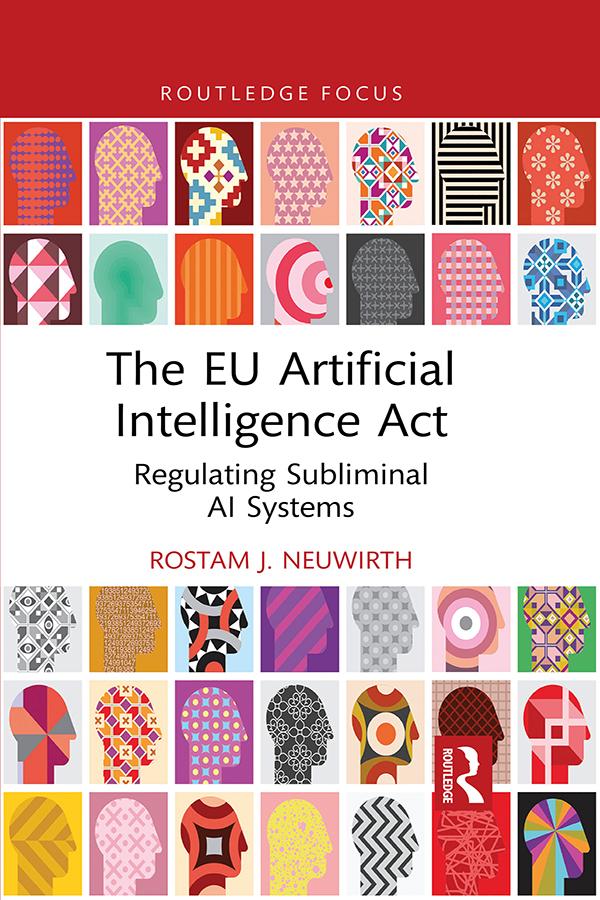
AI in combination with other innovative technologies promises to bring unprecedented opportunities to all aspects of life. These technologies, however, hold great dangers, especially for the manipulation of the human mind, which have given rise to serious ethical concerns. Apart from some sectoral regulatory efforts to address these concerns, no regulatory framework for AI has yet been adopted though in 2021 the European Commission of the EU published a draft Act on Artificial Intelligence and UNESCO followed suit with a Recommendation on the Ethics of Artificial Intelligence.
The book contextualises the future regulation of AI, specifically addressing the regulatory challenges relating to the planned prohibition of the use of AI systems that deploy subliminal techniques. The convergence of AI with various related technologies, such as brain–computer interfaces, functional magnetic resonance imaging, robotics and big data, already allows for "mind reading" or "dream hacking" through brain spyware, as well as other practices that intrude on cognition and the right to freedom of thought. Future innovations will enhance the possibilities for manipulating thoughts and behaviour, and they threaten to cause serious harm to individuals as well as to society as a whole.
The issue of subliminal perception and the ability to deceive and manipulate the mind below the threshold of awareness causes severe difficulties for law and democracy and raises important questions for the future of society. This book shows how cognitive, technological, and legal questions are intrinsically interwoven, and aims to stimulate an urgently needed transdisciplinary and transnational debate between students, academics, practitioners, policymakers and citizens interested not only in the law but also in disciplines including computer science, neuroscience, sociology, political science, marketing and psychology.
Betal nemt med kort, Klarna, Apple Pay eller Google Pay. Ikke tilfreds? Du har altid 14 dages fortrydelsesret. Læs mere i vores vilkår. Har du spørgsmål, så send os en mail på hello@memmo.org.
Memmo gør det nemmere at studere – uanset hvor du er i verden. Hos os samler du dine kursusbøger og smarte studieværktøjer ét sted: resuméer, quizzer, podcasts og flashcards. Og så er der Ted, din studieven, der svarer på alt, du undrer dig over. Over 50 000 studerende studerer allerede her – bygget til at hjælpe dig med at lære hurtigere og stresse mindre.