
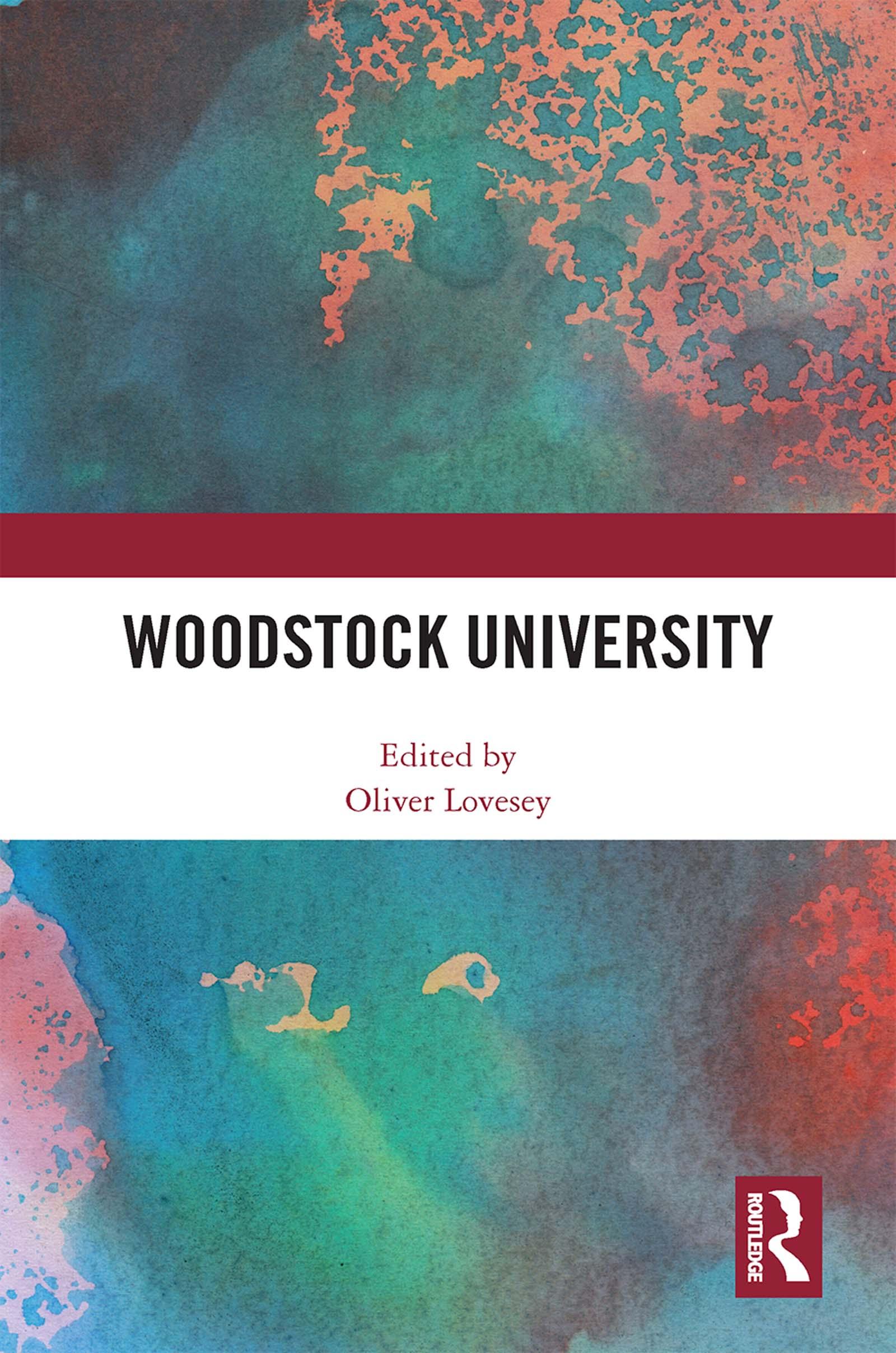
Woodstock University addresses the educational interface of 1969’s iconic Woodstock Festival, as a number of its attendees and performers would later become academics 'with a touch of gray,' and it also considers the role of music in Woodstock’s legacy as the embodiment of 1960s countercultural idealism, escapism, and activism. A self-mythologizing event, as indicated by congratulatory stage announcements, Woodstock made a real-time claim for its own historic importance. Elevated by its remarkable (and in some cases doctored) audio, celluloid, and oral history afterlives, Woodstock would enhance the aura of rock star celebrity, and in the process expose the counterculture as a cash cow and weaponize the machinery of corporate rock.
The essays in this collection are the participant observations of performers and attendees of Woodstock and related festivals, and also the reflections of cultural historians on aspects of the festival, its representation, and its ambiguous legacy.
The chapters in this book were originally published as a special issue of the journal Popular Music and Society.
Betal nemt med kort, Klarna, Apple Pay eller Google Pay. Ikke tilfreds? Du har altid 14 dages fortrydelsesret. Læs mere i vores vilkår. Har du spørgsmål, så send os en mail på hello@memmo.org.
Memmo gør det nemmere at studere – uanset hvor du er i verden. Hos os samler du dine kursusbøger og smarte studieværktøjer ét sted: resuméer, quizzer, podcasts og flashcards. Og så er der Ted, din studieven, der svarer på alt, du undrer dig over. Over 50 000 studerende studerer allerede her – bygget til at hjælpe dig med at lære hurtigere og stresse mindre.