
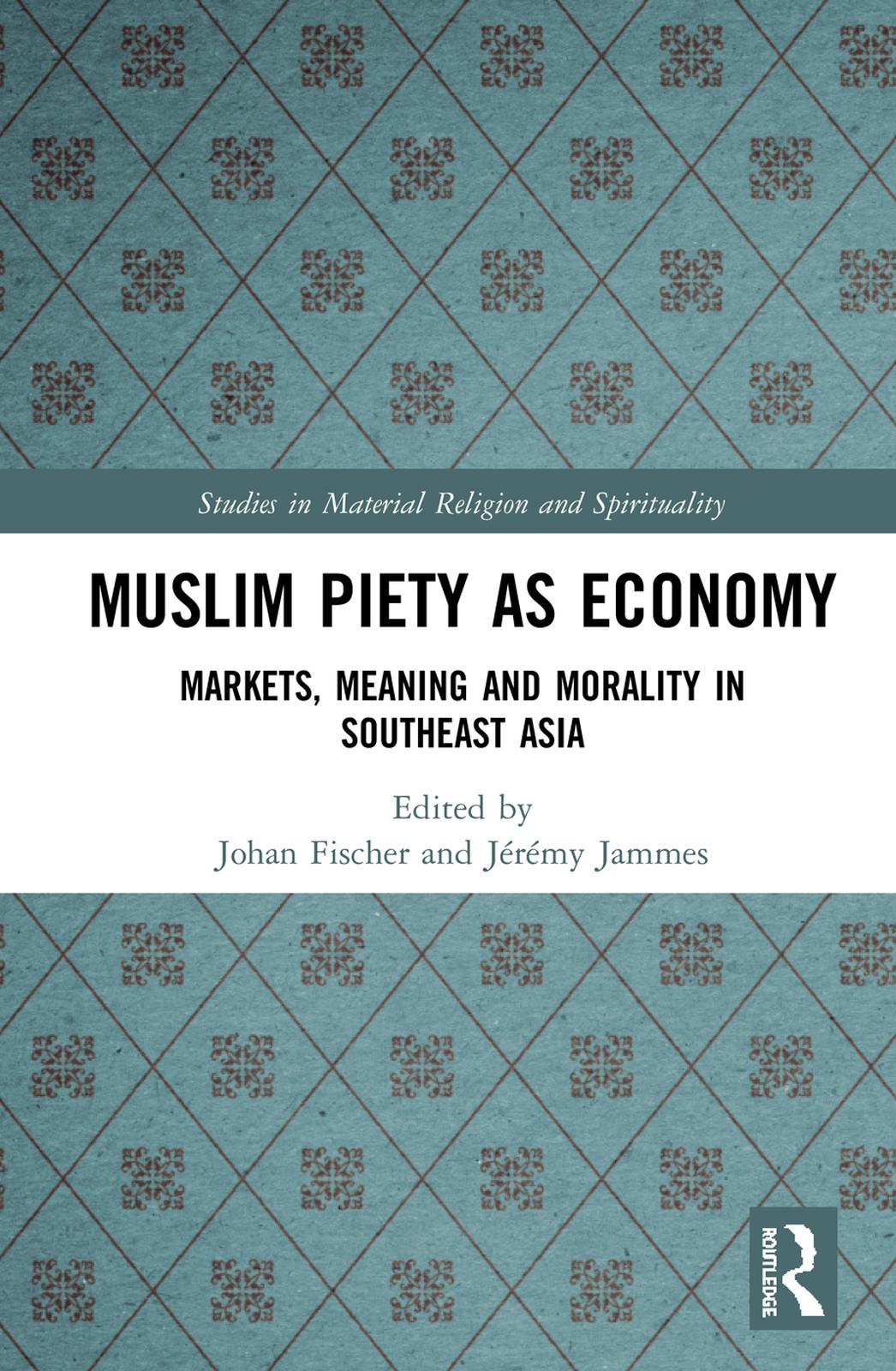
The first volume to explore Muslim piety as a form of economy, this book examines specific forms of production, trade, regulation, consumption, entrepreneurship and science that condition – and are themselves conditioned by – Islamic values, logics and politics. With a focus on Southeast Asia as a site of significant and diverse integration of Islam and the economy – as well as the incompatibilities that can occur between the two – it reveals the production of a Muslim piety as an economy in its own right. Interdisciplinary in nature and based on in-depth empirical studies, the book considers issues such as the Qur’anic prohibition of corruption and anti-corruption reforms; the emergence of the Islamic economy under colonialism; ‘halal’ or ‘lawful’ production, trade, regulation and consumption; modesty in Islamic fashion marketing communications; and financialisation, consumerism and housing. As such, it will appeal to scholars of sociology, anthropology and religious studies with interests in Islam and Southeast Asia.
Betal nemt med kort, Klarna, Apple Pay eller Google Pay. Ikke tilfreds? Du har altid 14 dages fortrydelsesret. Læs mere i vores vilkår. Har du spørgsmål, så send os en mail på hello@memmo.org.
Memmo gør det nemmere at studere – uanset hvor du er i verden. Hos os samler du dine kursusbøger og smarte studieværktøjer ét sted: resuméer, quizzer, podcasts og flashcards. Og så er der Ted, din studieven, der svarer på alt, du undrer dig over. Over 50 000 studerende studerer allerede her – bygget til at hjælpe dig med at lære hurtigere og stresse mindre.